A town this good at doing nothing needs a strong reason to leave. Kinosaki has exactly three within easy reach, each a different genre, and none requiring a rental car if you time the connections. Take them in honest order of merit. Grade the three honestly against the opportunity cost, because the cost is real: every excursion hour is a bath-street hour spent elsewhere. Izushi clears the bar for almost everyone — a genuinely different town with a genuinely different lunch. Genbudo clears it for anyone who likes a story with their scenery. Takeno clears it in summer and fails it in February. All three share the practical requirement this page keeps repeating: photograph the return timetable, because the region's buses and locals run on rural frequencies, and the difference between a good day trip and a stressful one is one screenshot taken at arrival. One more framing rule keeps the day honest: excursions here are lunch-shaped, not day-shaped. Each of the three peaks around midday — soba in Izushi, the caves in good light, the beach at its warmest — and each returns you comfortably for the 15:00 bathhouse openings and the evening circuit. Plan them as long lunches with scenery attached and the opportunity cost drops to nearly nothing. The section order below is also the recommendation order — merit first — so a reader with one free half-day can simply stop at the first entry that fits the season and the appetite.
Izushi: the castle town that eats soba off small plates
An hour southeast of Kinosaki sits Izushi, a compact former castle town of white walls, tiled roofs, and a landmark clock tower, with a food tradition worth the ride on its own. Access runs via Toyooka: the JR line to Toyooka Station (about 10 minutes), then a Zentan bus to Izushi (about 30 minutes). ⚠️ Buses run regularly but not frequently; photograph the return timetable on arrival. What fills the visit:
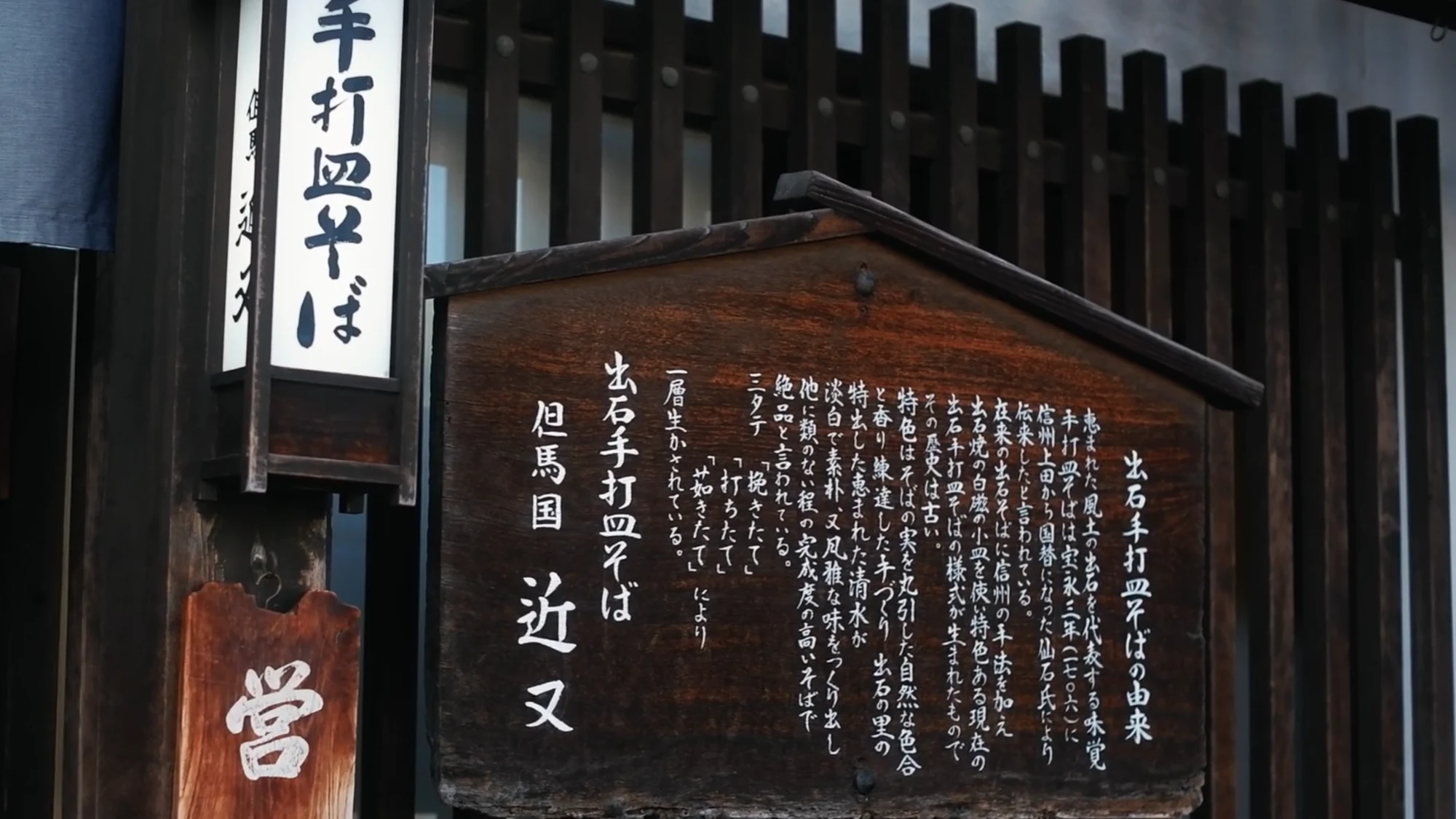
Izushi's soba arrives five small plates at a time; the shops keep boards of customers' plate counts. ⚠️
Sara-soba, the town dish. Izushi serves buckwheat noodles in stacks of five small Izushi-ware plates per portion, with dipping sauce, raw egg, and tororo yam among the accompaniments. Roughly forty soba houses ⚠️ compete within a walkable few blocks, and adding plates until pride intervenes is the accepted sport. Lunch here is the anchor of the trip.
The Eirakukan playhouse. Izushi keeps the oldest surviving kabuki playhouse in the Kansai region ⚠️, a working Meiji-era theater whose backstage, trapdoors, and revolving stage open to visitors on non-performance days. ⚠️ (fee, closing days) It is the single most searched-for thing in town among international visitors and deserves the attention.
The Shinkoro clock tower and castle ruins. The wooden Shinkoro tower, raised in 1871 and fitted with its clock a decade later, anchors the townscape and every photograph. ⚠️ ("one of Japan's oldest clock towers" phrasing; the superlative is contested) Above town, the stone ramparts of Izushi Castle climb the hillside past red torii to a shrine platform with the valley view.
Half a day covers Izushi well: morning bus, castle walk, soba lunch, playhouse, return by mid-afternoon in time for a bath before dinner. Two Izushi refinements from travellers who have run it: arrive hungry but order in rounds — the five-plate portions stack faster than pride admits, and the shops cheerfully bring more — and give the Eirakukan the full backstage tour rather than the doorway glance, because the trapdoors, the hand-turned revolve and the actors' graffiti under the stage are the parts the photographs cannot carry. ⚠️ Tour availability on non-performance days; verify fee and closing days.
Genbudo: the caves that named a rock and flipped the compass
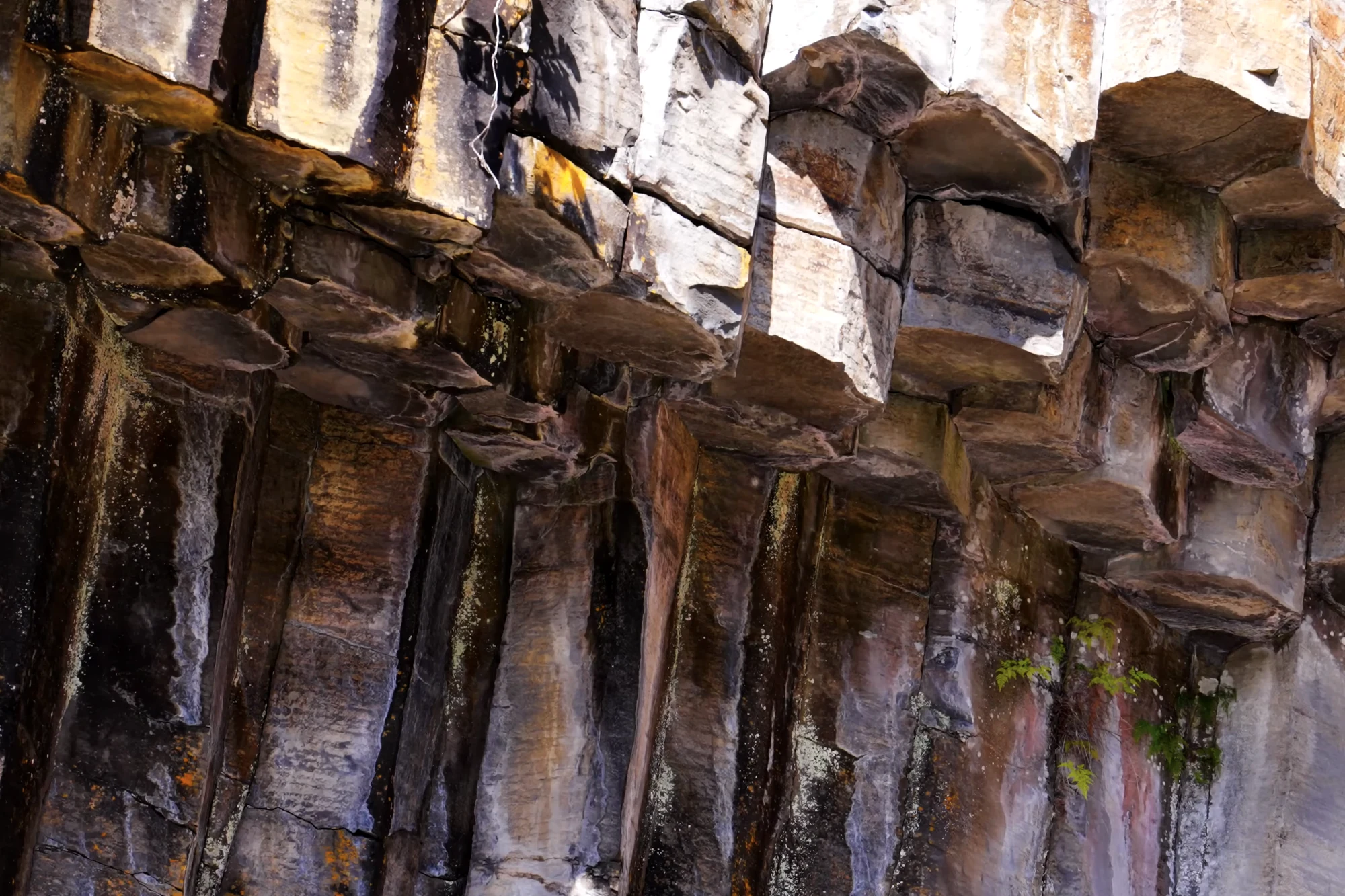
Fifteen minutes from Toyooka by taxi, or reachable by a short local-train-plus-river-crossing combination ⚠️, Genbudo Park presents five caves of columnar basalt, hexagonal stone pillars stacked and bent like organ pipes, left by a lava flow 1.6 million years ago and exposed by quarrying. ⚠️ Two facts elevate it beyond geology-park status. The main cave gave Japanese science its word for basalt, genbugan, named for the "black tortoise" deity the formation was thought to resemble. And in 1926 the geophysicist Motonori Matuyama, studying these rocks, found their magnetism pointing the wrong way, evidence that Earth's magnetic field had reversed, a discovery that now anchors the geologic timescale. ⚠️ Standing before the columns that rewrote the planet's compass is a better story than most caves can tell. One framing upgrade for the visit: this is a five-minute story standing in front of a 1.6-million-year clock — read the Matuyama panel first, then look again, and the columns stop being scenery and become the actual instrument that told science the planet's compass has flipped. Pair it with the riverside cycle route from town if the weather cooperates; arriving by bicycle along the Maruyama makes the geology feel earned. The park charges a modest admission ⚠️ (a few hundred yen; confirm current fee), paths are stroller-manageable gravel, and the adjacent Genbudo Museum adds minerals and local straw-craft for a small additional fee. ⚠️ Allow 60 to 90 minutes plus transit. The classic access from Kinosaki, a local train to Genbudo Station and a small boat across the Maruyama River to the park side, is itself half the charm when operating. ⚠️ (boat service status and fare)
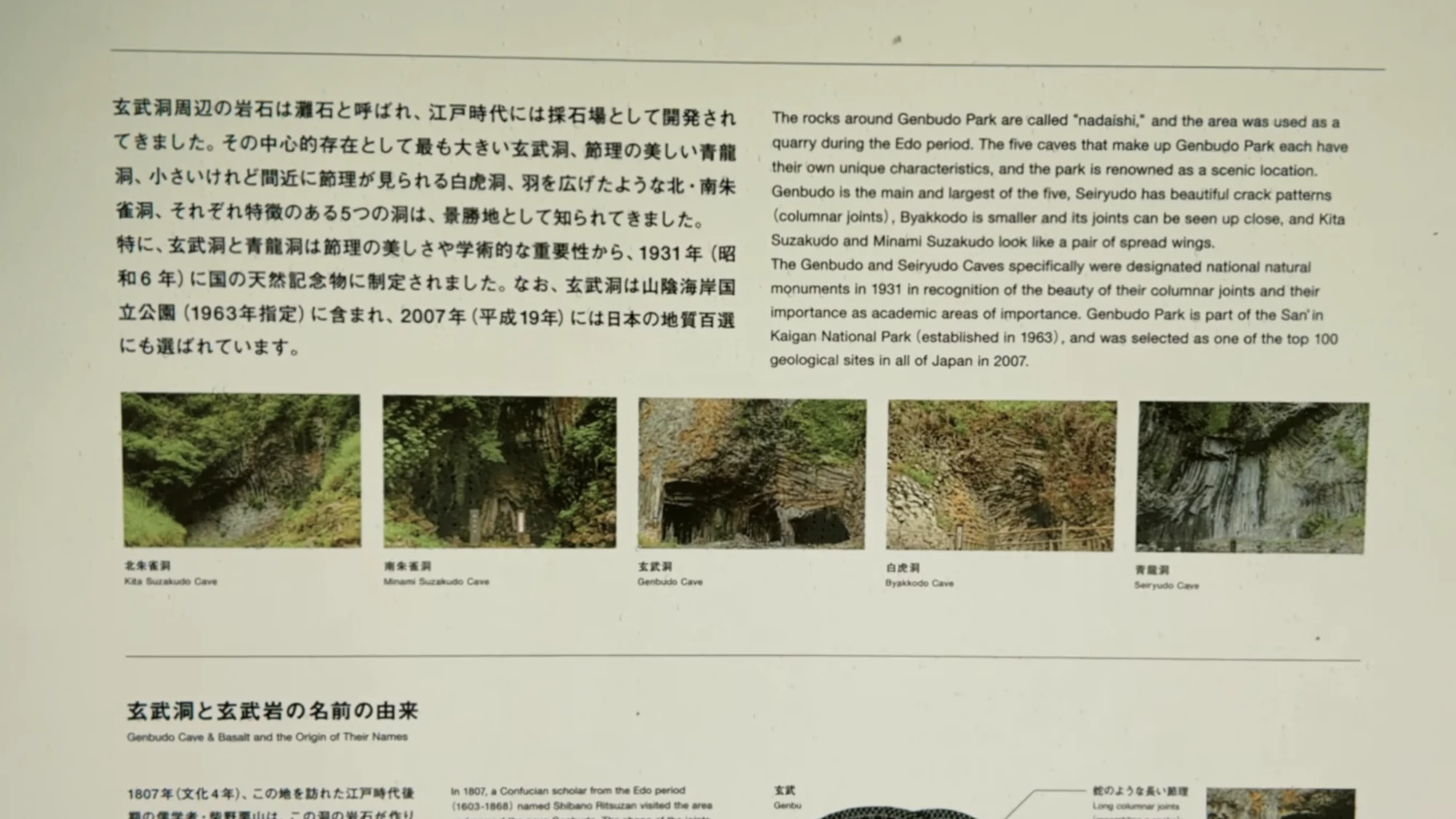
Rock from these caves supplied the 1926 evidence that Earth's magnetic field reverses. ⚠️
Takeno: the beach one stop away
Ride the JR San'in line one stop west of Kinosaki, about 10 minutes, and the landscape opens onto Takeno, a fishing village wrapped around a long crescent of pale sand rated among the San'in coast's best swimming beaches. ⚠️ The beach sits a 15–20 minute walk from the station. ⚠️ In July and August it runs as a proper swimming beach with rental parasols and beach houses ⚠️; outside summer it reverts to a wild, wind-scoured walk with a working harbor at its end, which some travelers will prefer. Sea-kayak and snorkel operators work the coast in season ⚠️ (category only). The honest note: this is a summer-and-shoulder excursion. In winter the Sea of Japan takes the beach back, and the correct response is to admire it briefly from the train window en route to nothing at all. The shoulder-season version deserves its own sentence, because it is the connoisseur's Takeno: September and early October keep swimmable water and empty sand after the beach houses close, and the fishing-village end — working boats, drying nets, a harbor shrine — is at its most itself without the summer crowd. ⚠️ Sea conditions vary; category-level only. Pack the visit like a local: swimwear under clothes in season, cash for the beach houses, and a planned return train — the one-stop hop breeds a casualness the thin timetable does not actually support. In any season, the proximity is the point: no other famous onsen town can put you on a Sea of Japan beach twelve minutes after your morning soak.
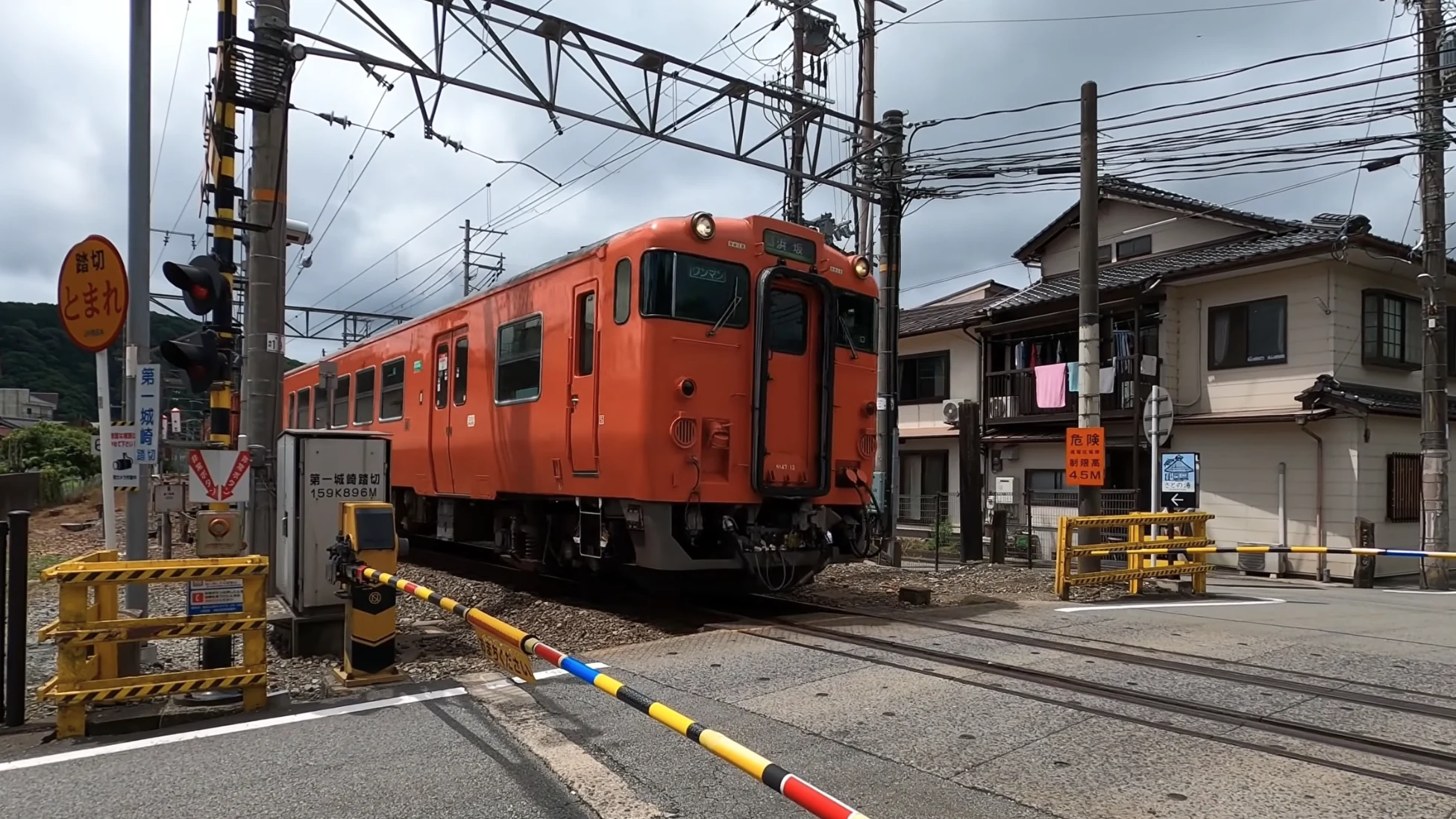
Takeno is one ten-minute local stop; the barriers come down every half hour or so.
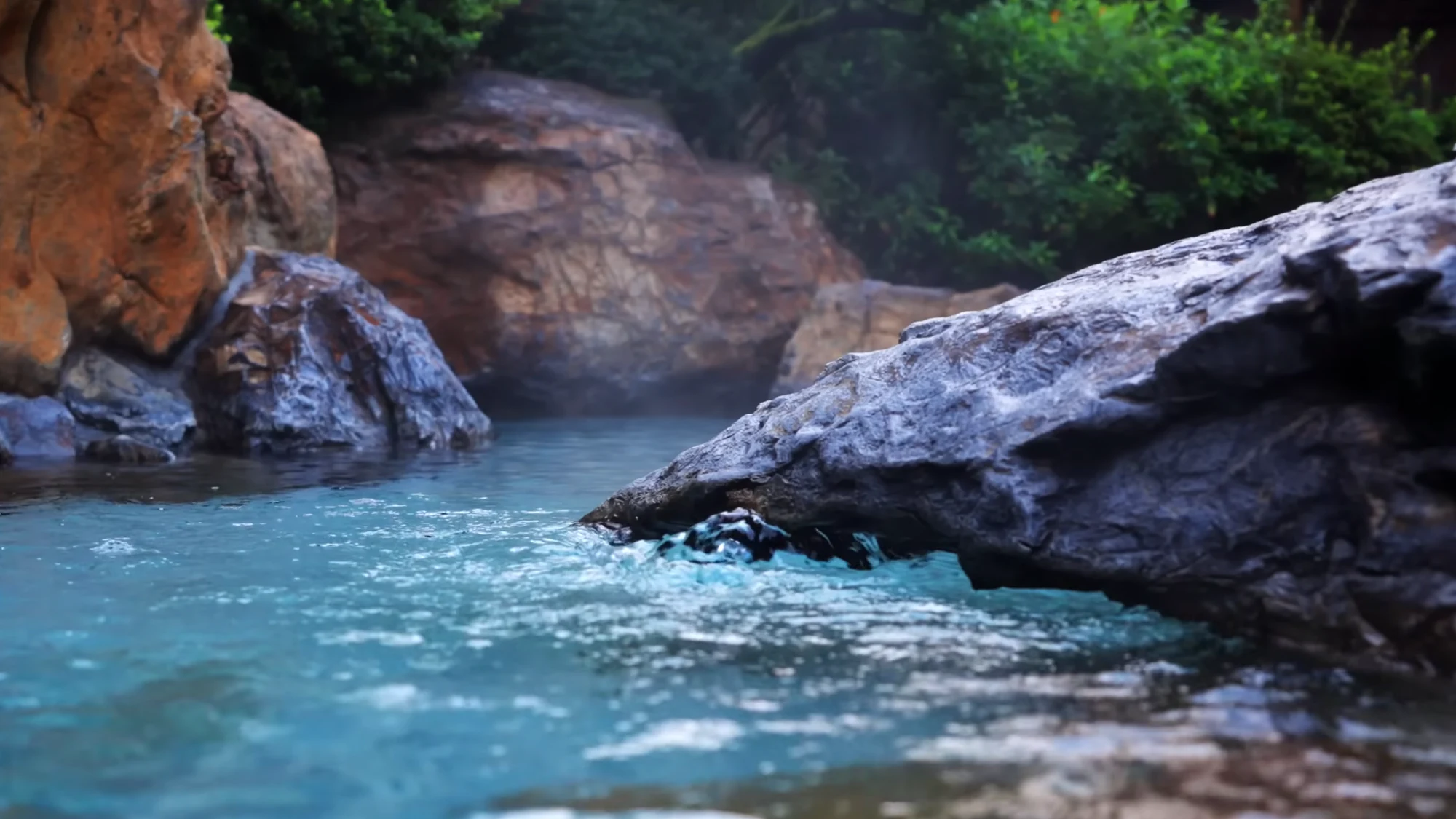
The same river the railway crosses on its way into town.
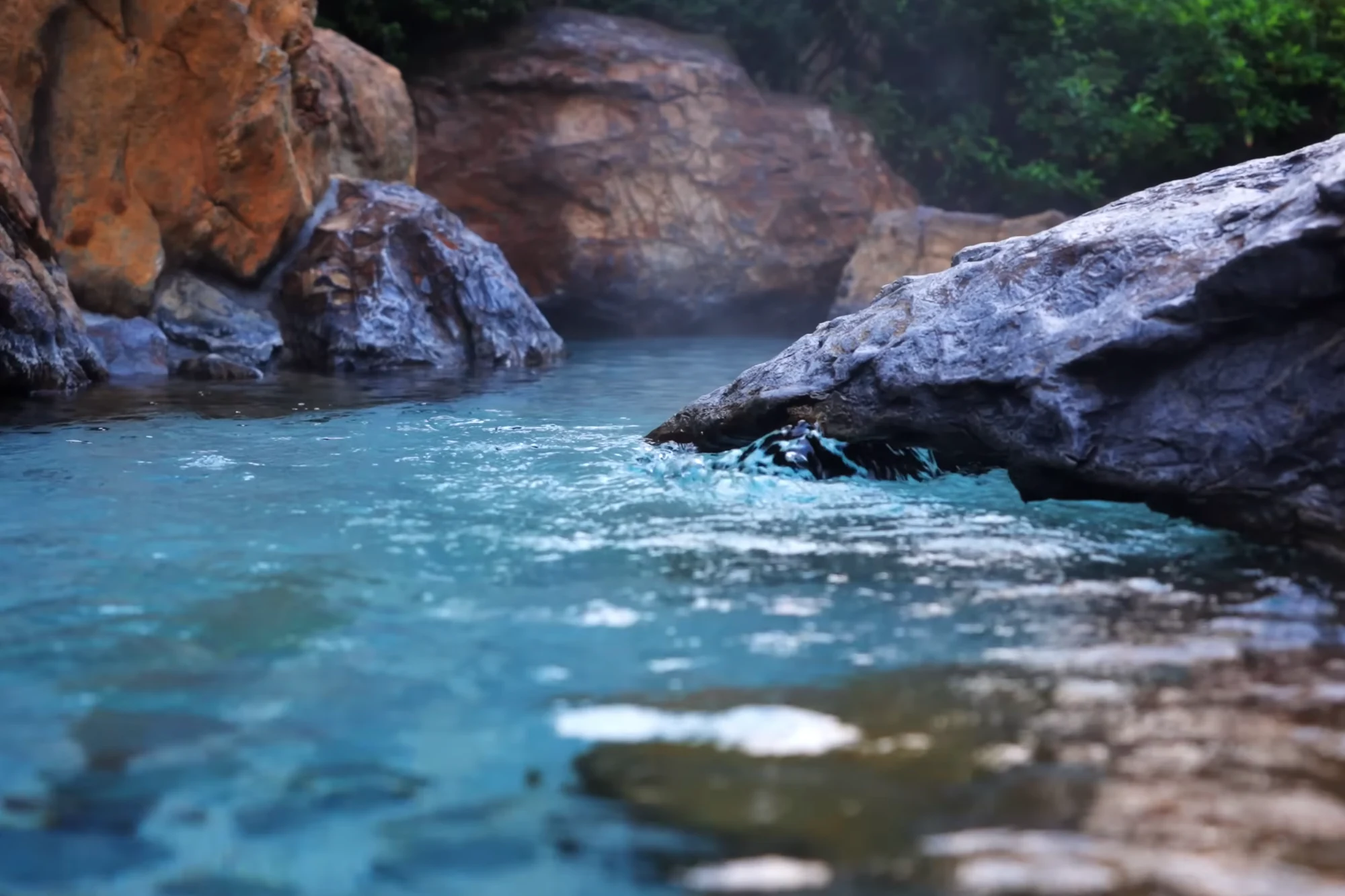
The Maruyama drains the whole Tajima basin and reaches the sea a few kilometres past the town.
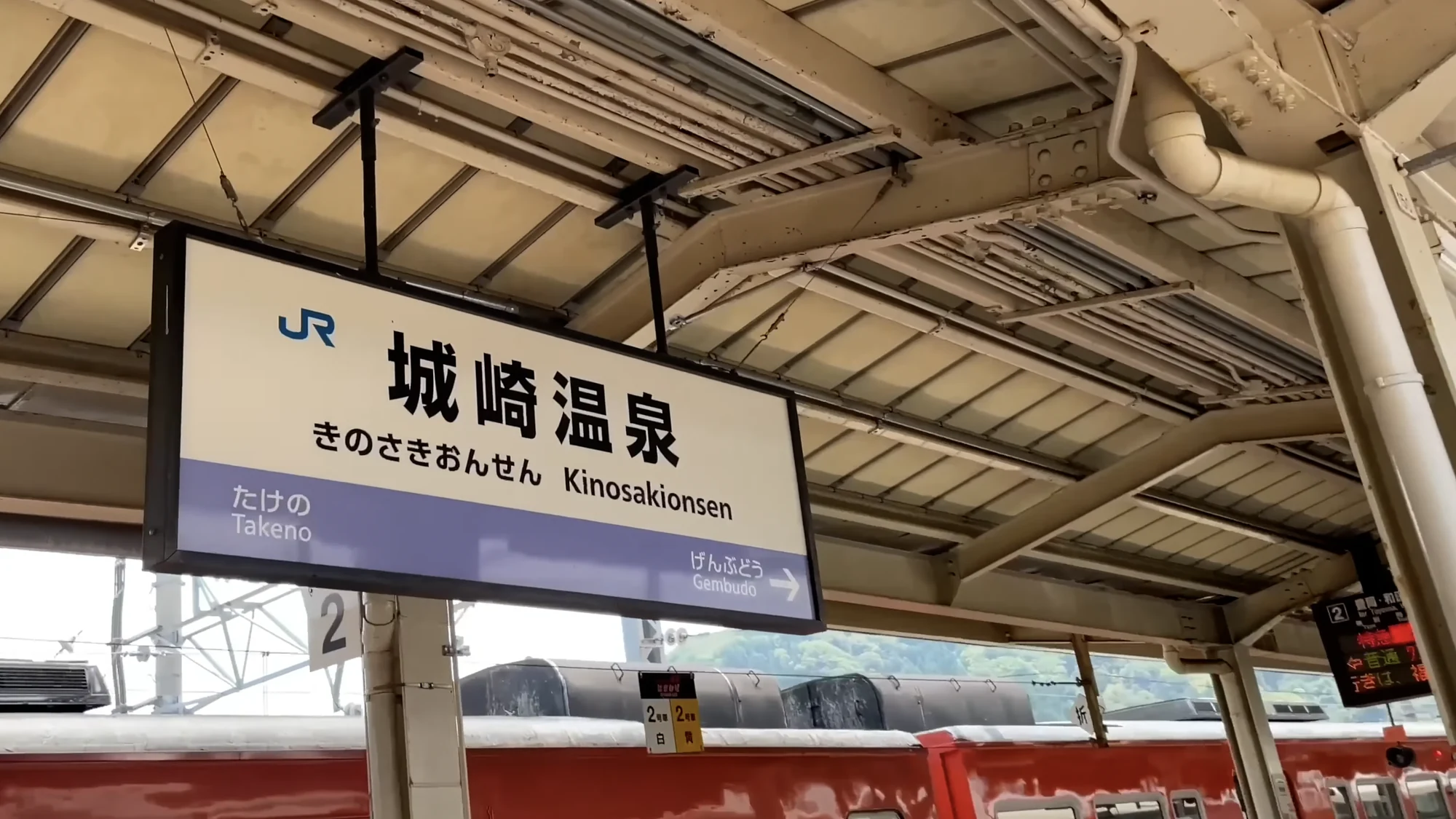
Takeno's beach is one ten-minute local stop from the canal — a pairing few onsen towns can offer.
Combining them, and what to skip
With one free day: Genbudo in the morning, continue to Toyooka for the Izushi bus, soba lunch and the playhouse, return via Toyooka by late afternoon. The loop works by public transport with attention to timetables, or smoothly by taxi legs from Toyooka. ⚠️ Takeno stands alone as a half day, summer only for most purposes. What this page deliberately omits: Amanohashidate and Tottori's dunes appear in day-trip lists for Kinosaki but sit two-plus hours each way; both deserve their own overnight rather than a rushed round trip. Toyooka city itself, the transit hub, holds the stork sanctuary at Hachigoro Toshima and a bag-making district ⚠️, respectable fillers rather than destinations. Spend the saved hours where you already are: the town you booked has seven baths and your yukata is waiting. A note on winter, since the day-trip question changes shape with the calendar: December through February, Takeno is off the board, Genbudo works in cold clear weather but loses its river-boat charm, and Izushi — indoor soba, indoor playhouse, snow on castle stones — becomes the season's clear first choice. In crab months, though, the honest recommendation is often none of the above: the town's own season is at full strength, and the excursion budget is better spent on a second bath and a longer nap. The day trips are how Kinosaki competes with itself in the green months; in winter it needs no help. The stork sanctuary, meanwhile, earns a promotion from that filler list — enough of one that it gets its own section below.
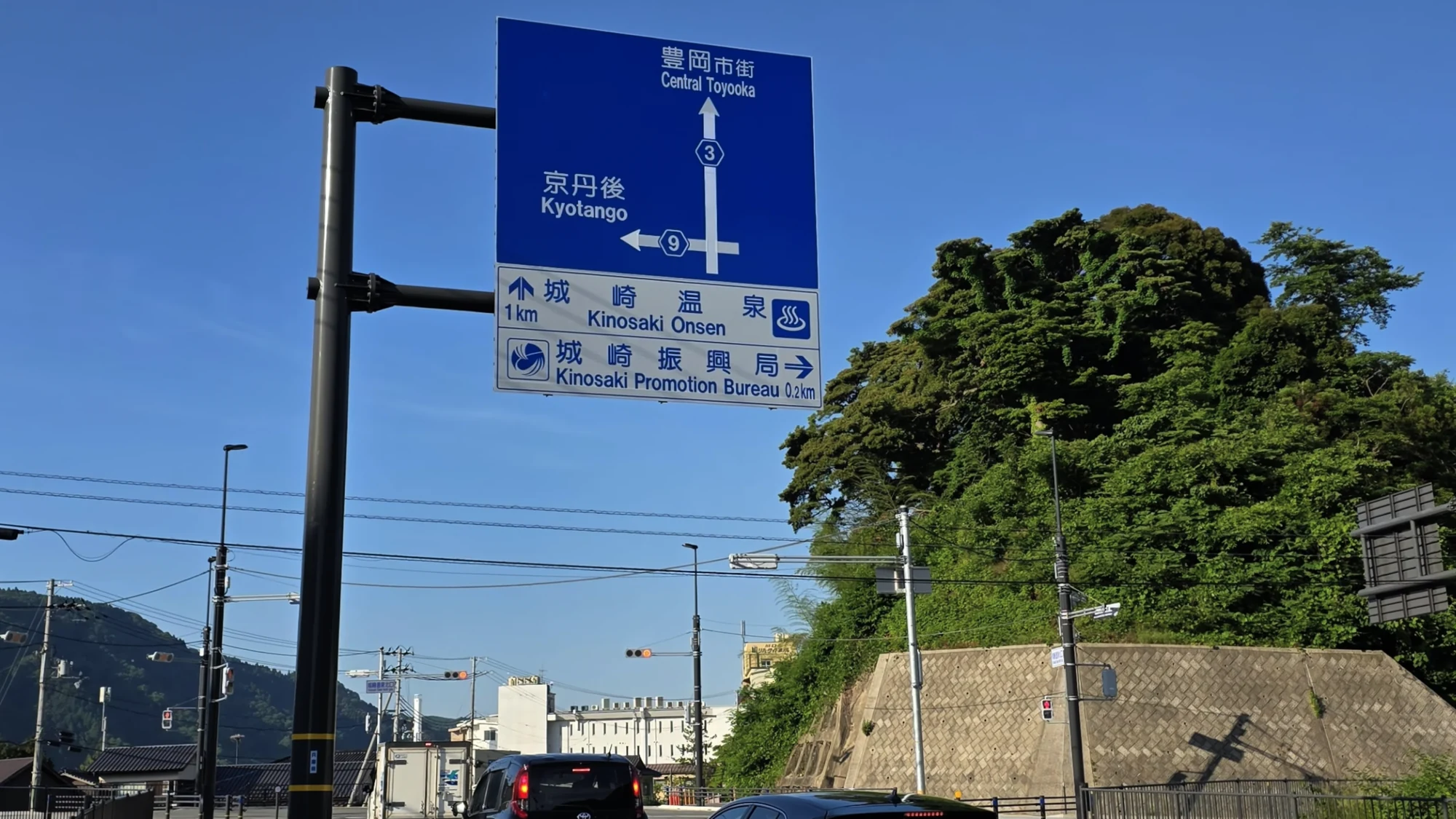
Arriving by car is possible but pointless: the inns park you and the town is walked.
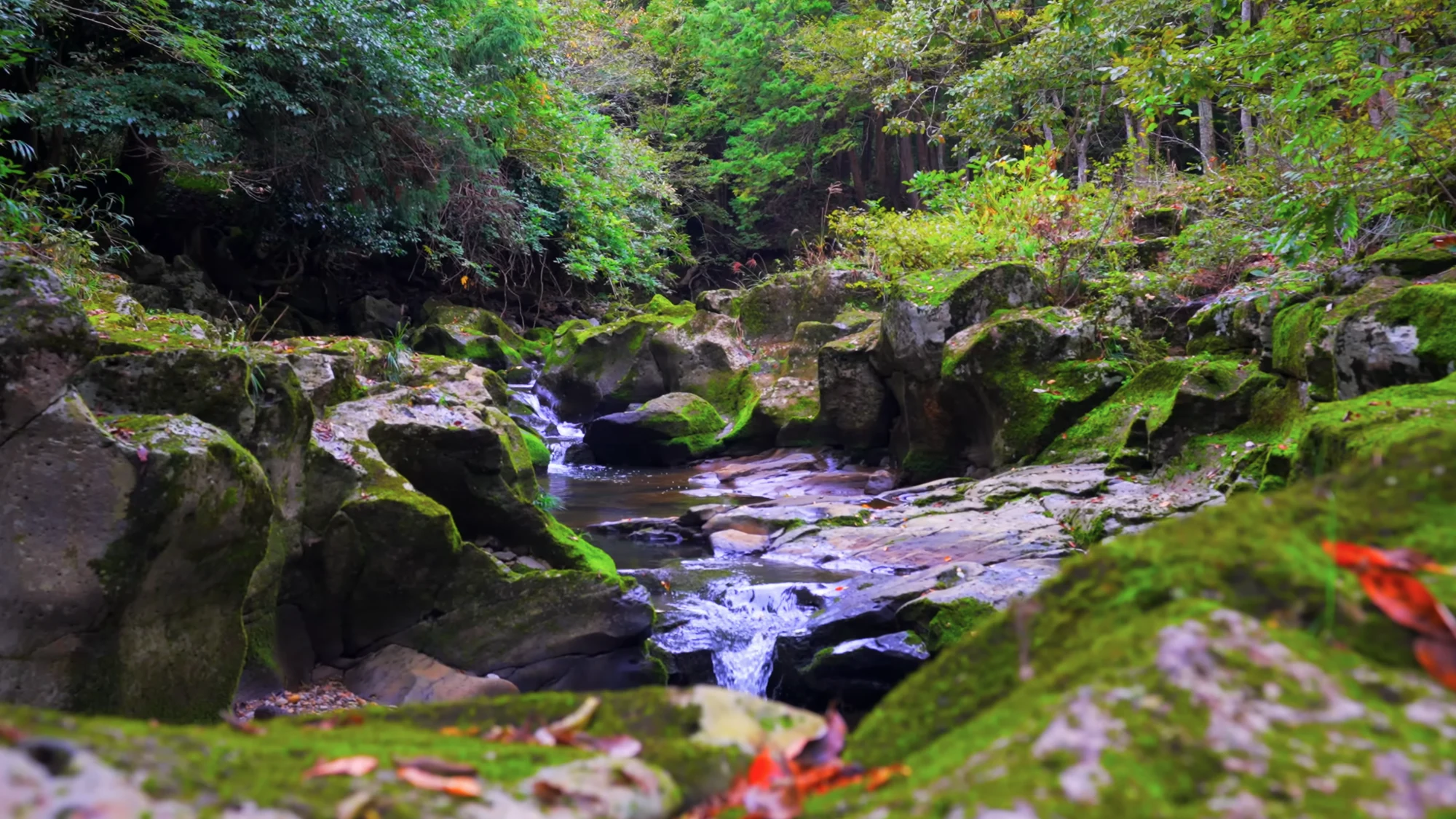
The line inland runs through river valleys the whole way; the window is worth staying awake for.
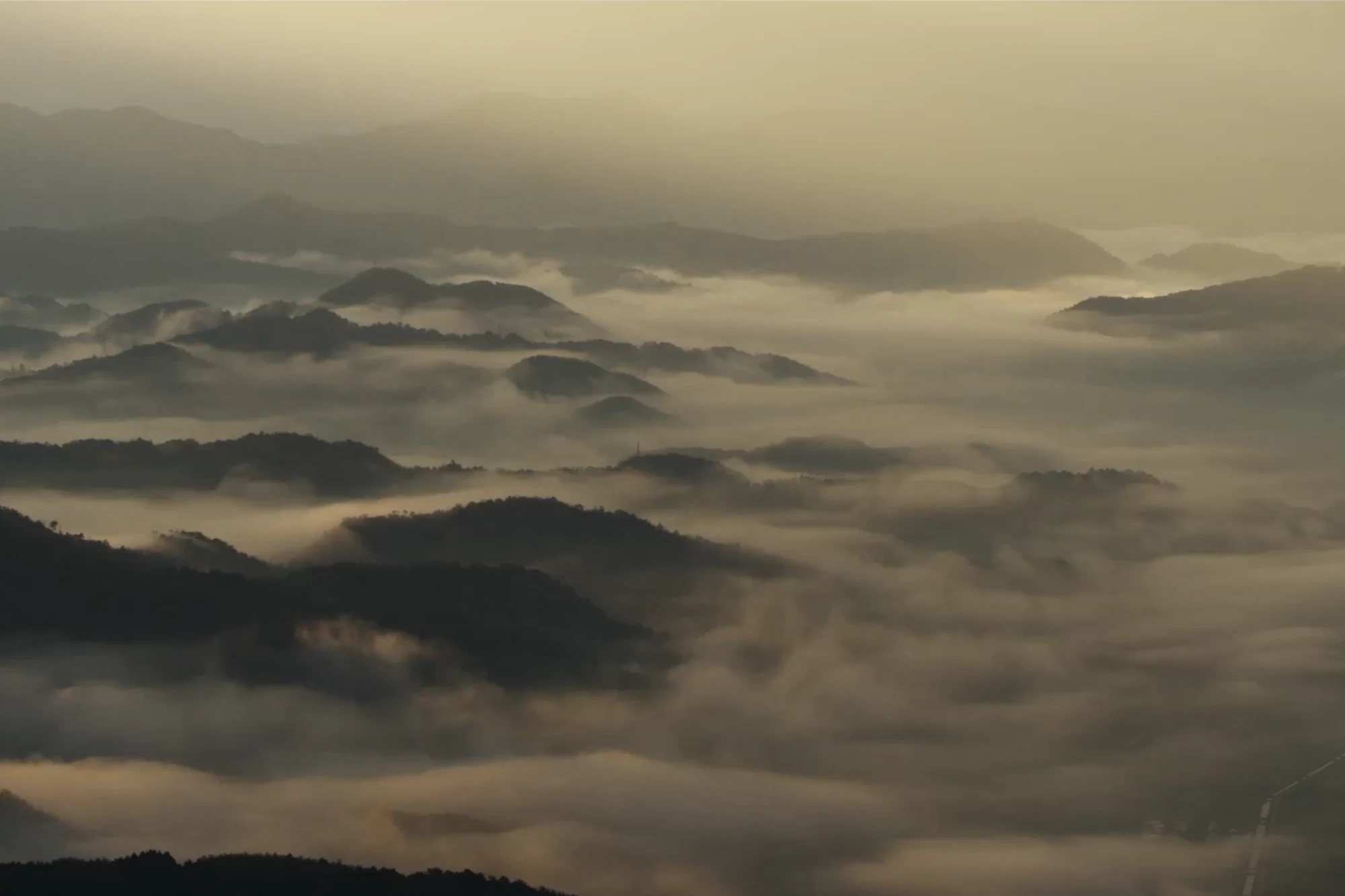
The inland basin fills with cloud on still autumn mornings — the reason the region is photographed at dawn.
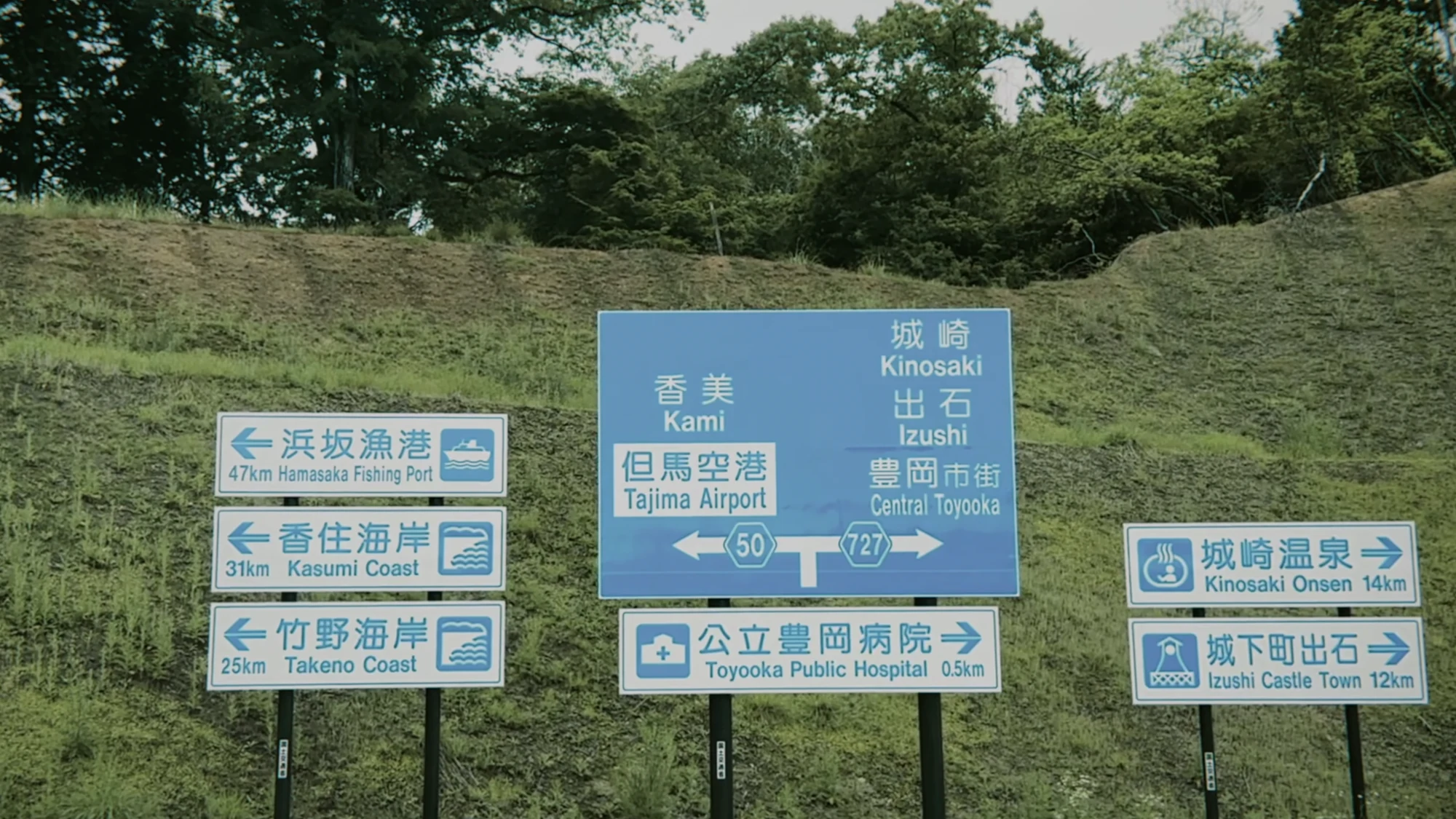
All three sit inside an hour. Doing two in one day is comfortable; three is not.
The stork detour: Toyooka's back-from-extinction bird
The bird on Kinosaki's manhole covers, its train (the Kounotori limited express), and its oldest bathhouse legend all point at the same animal, and the animal's real story outranks most of the region's attractions. The Oriental white stork — コウノトリ (kounotori) — died out in the wild in Japan in 1971, and the last wild population lived exactly here, in the Toyooka basin. The decades-long project that followed, breeding from protected birds and re-wilding the basin's wetlands and rice paddies, put storks back in Japanese skies from the mid-2000s, and today the birds nest and forage around the very valley your train crossed on the way in. ⚠️ Dates and program details to the 県立コウノトリの郷公園 (Hyogo Prefectural Kounotori-no-Sato Park) and Hachigoro Toshima materials at publish. Two sites serve two kinds of visitor. The prefectural stork park in Toyooka is the institution — enclosures, an exhibition hall, and good odds of wild birds overhead — while Hachigoro Toshima, the restored wetland nearer the river mouth, is the naturalist's version: a marsh with a viewing point, storks at the distance storks prefer, and the satisfying sense of watching an ecosystem repair job succeed in real time. ⚠️ Access, hours and fees per current sources. Neither needs more than an hour or two, and both slot into the Toyooka transit hub the Izushi run already passes through. Why it belongs in a Kinosaki itinerary at all is the town's own mythology: the oldest founding legend has an injured kounotori revealing the springs, and Kou-no-yu — the stork's bath — carries the name to this day. A region that let its totem bird vanish and then spent fifty years bringing it back is telling you something about how it treats the things it considers itself made of, and the same instinct — the one that rebuilt bathhouses first after 1925 and capped inn baths by law — runs through the whole basin. As pure sightseeing, the storks are modest; as the region's best story standing in a wetland, they are worth the detour, and you will never see the town's manhole covers the same way again.
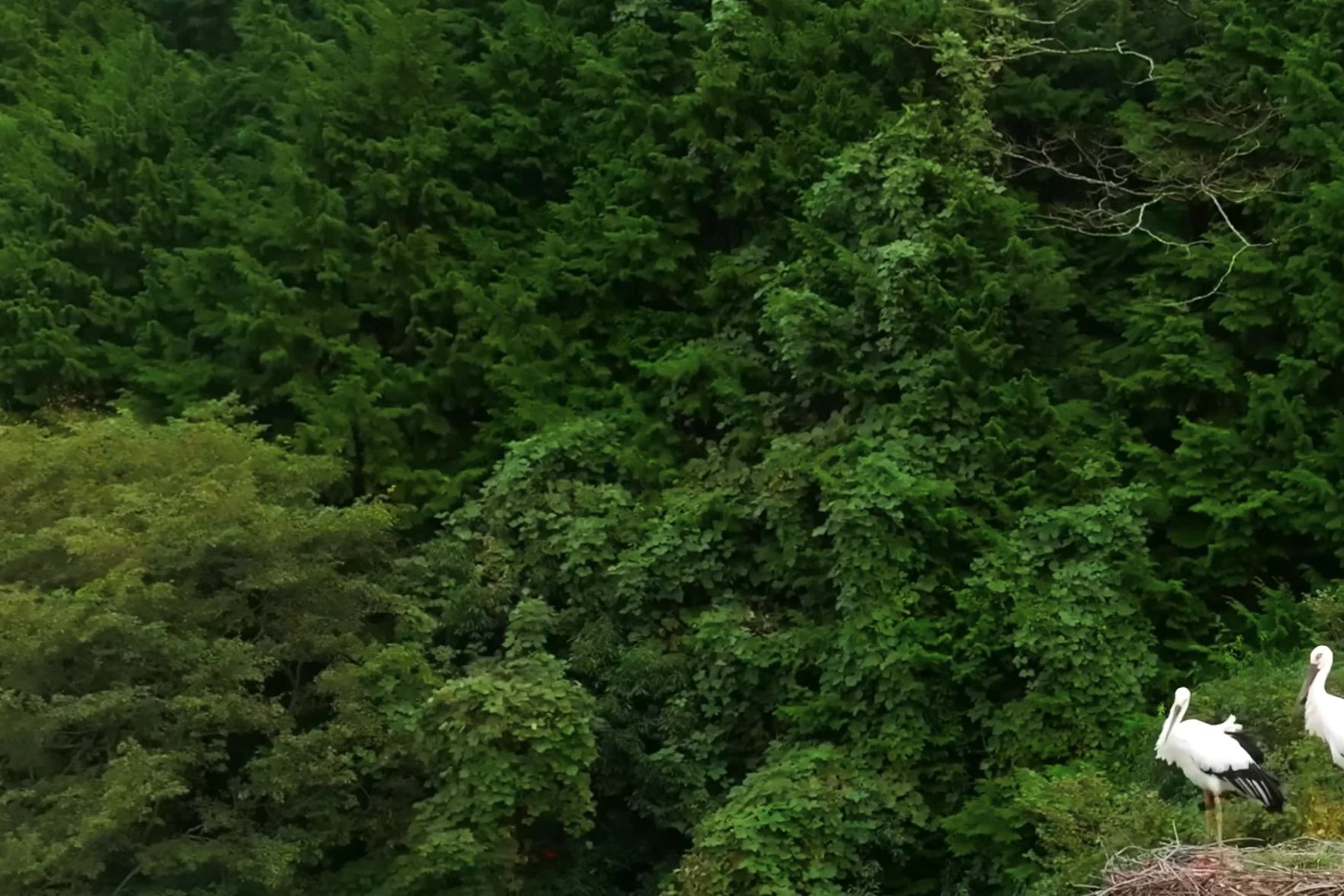
Toyooka released the first captive-bred storks in 2005. The wild population now breeds across the basin.
Tips
Photograph the Izushi return bus timetable on arrival — services are regular but not frequent.
One full free day: Genbudo morning → Toyooka → Izushi soba lunch + playhouse → back by late afternoon.
Takeno is a summer-and-shoulder excursion; in winter, admire it from the train window.
Skip rushed round trips to Amanohashidate or Tottori — both deserve their own overnight.

Verified by The Japan Onsen Society
Show all sources
Drafted July 2, 2026; the stork-legend tie and framing verified September 22, 2026. Primary Japanese sources (Kinosaki side):
城崎温泉の伝説 — 城崎温泉観光協会 (Kinosaki Onsen Tourism Association — the kounotori legend behind Kou-no-yu): [https://kinosaki-spa.gr.jp/about/history/beginning-part1/](https://kinosaki-spa.gr.jp/about/history/beginning-part1/)
Related guides
Plan Your Visit
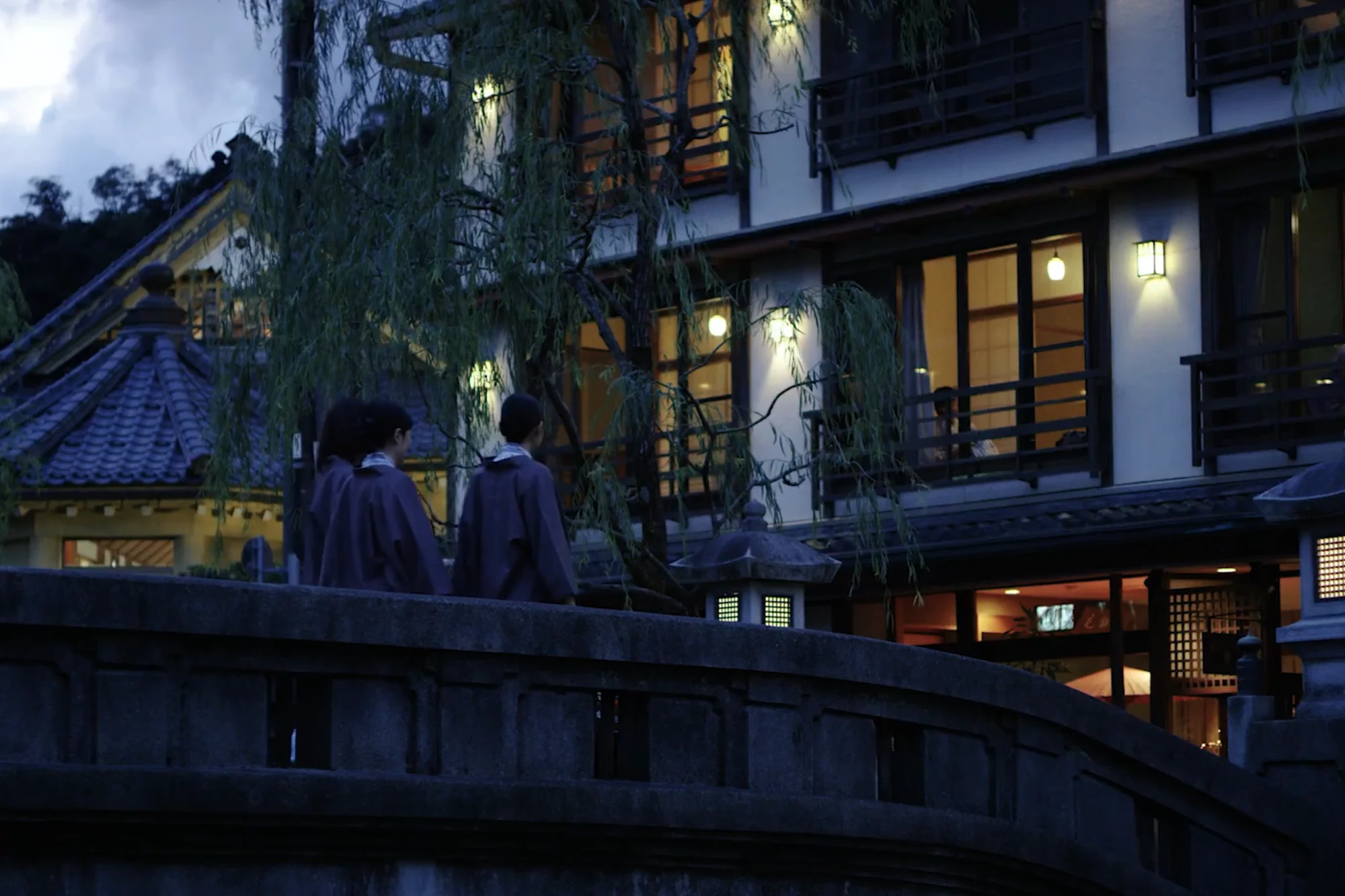
Kinosaki complete guide
Seven public bathhouses, one shared spring, and a law that keeps them the centre of town. Start here.
Plan Your Visit
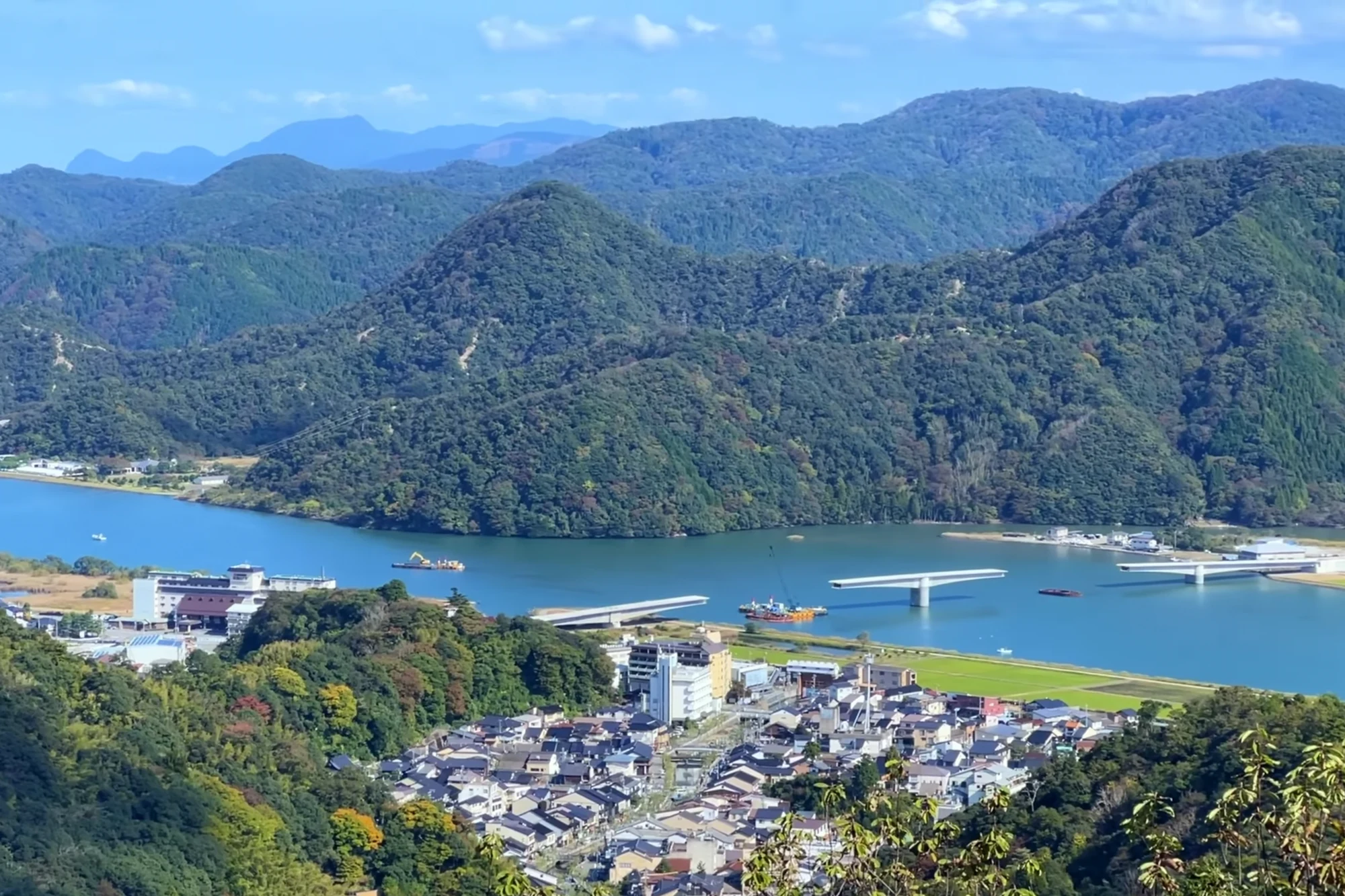
Things to do
Beyond the baths: a ropeway, a mountaintop temple, a literary museum and a stretch of wild coast.
Plan Your Visit
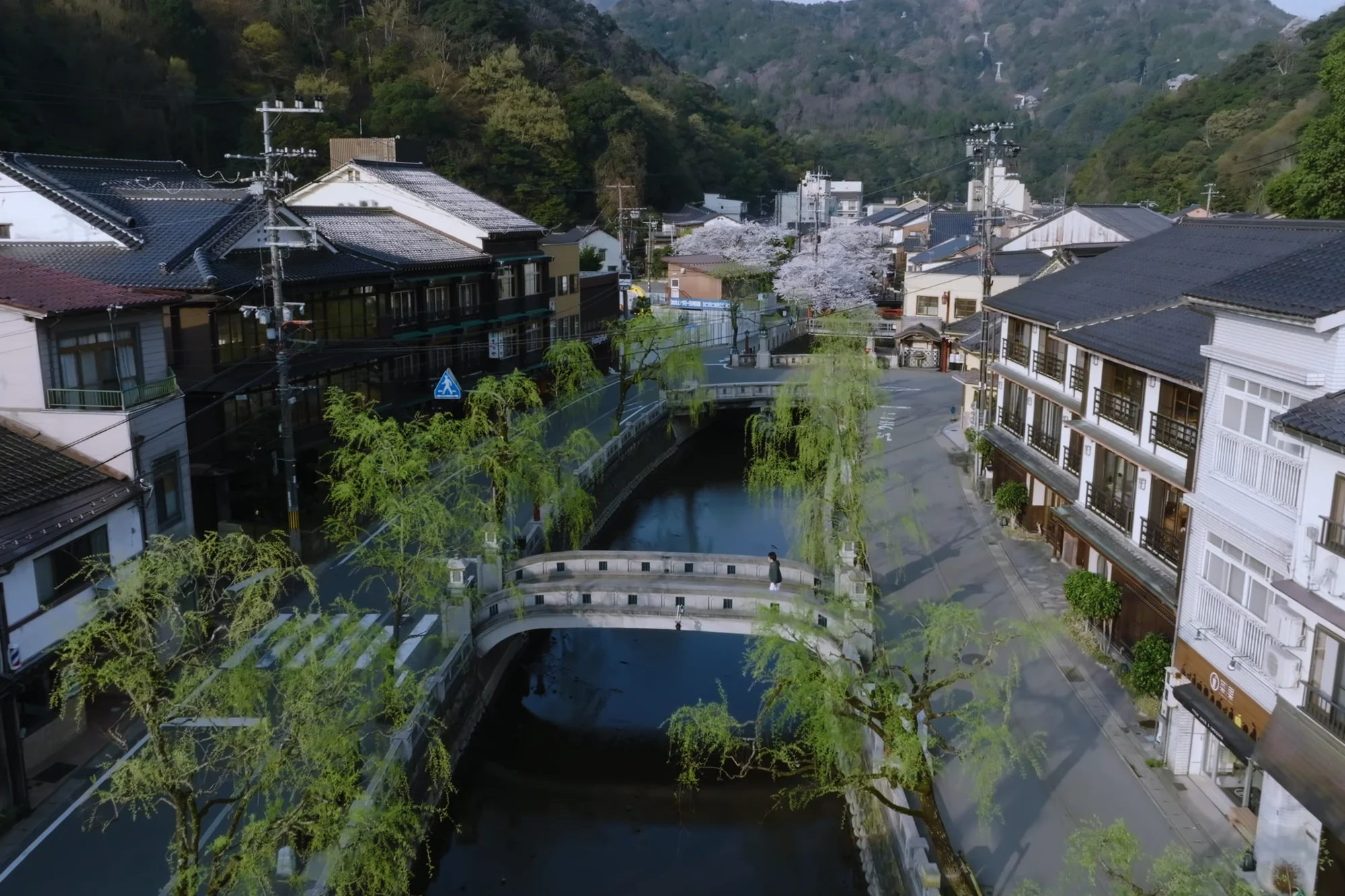
2-day itinerary
Two days and one night, hour by hour, built around the hours the seven bathhouses actually keep open.
Plan Your Visit
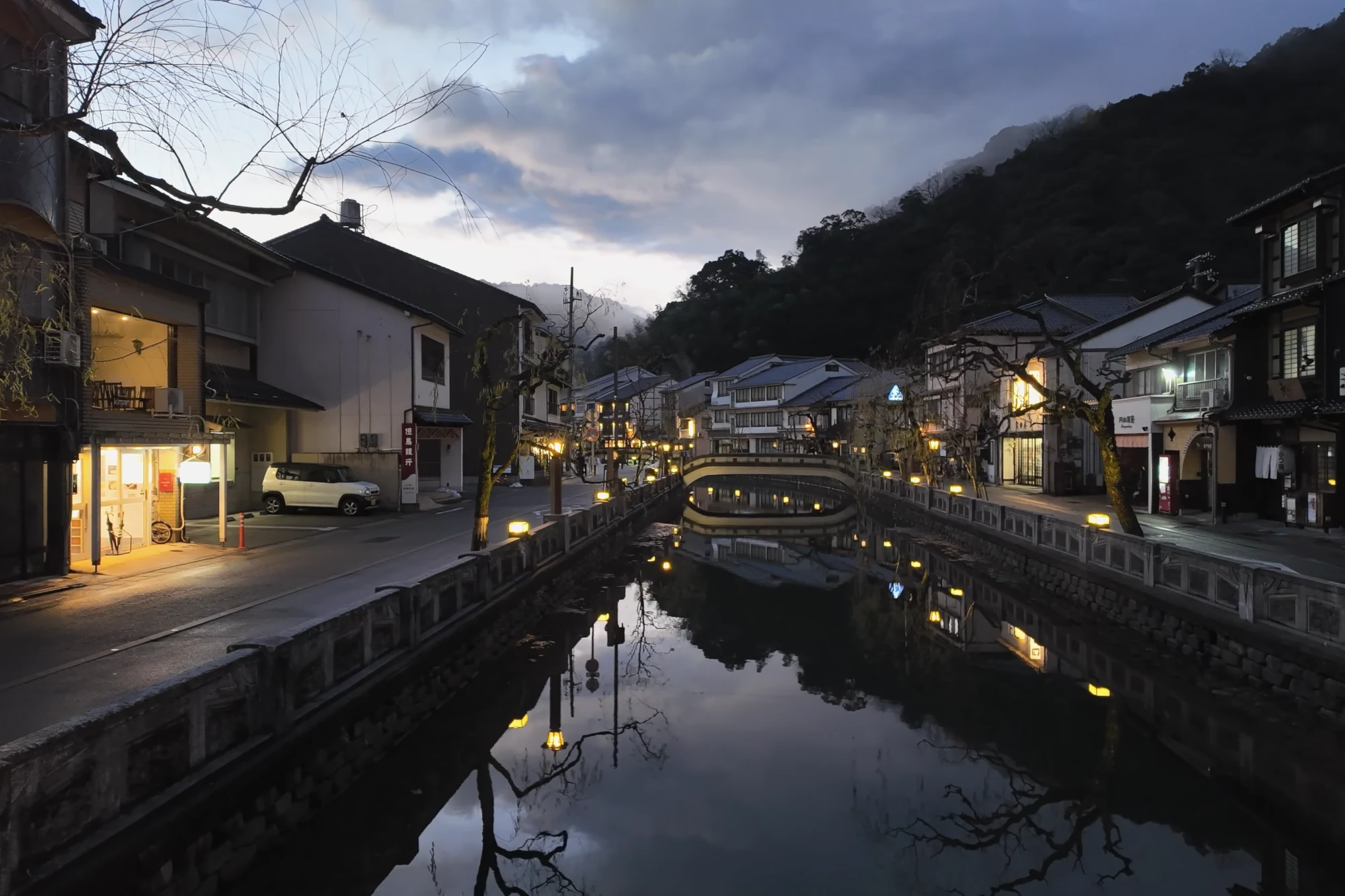
How long to stay
One night works, and most people do exactly that. Two nights is when the town stops being a stop.
Plan Your Visit
Station & getting around
The town starts three minutes from the platform. After that you will not need anything but shoes.