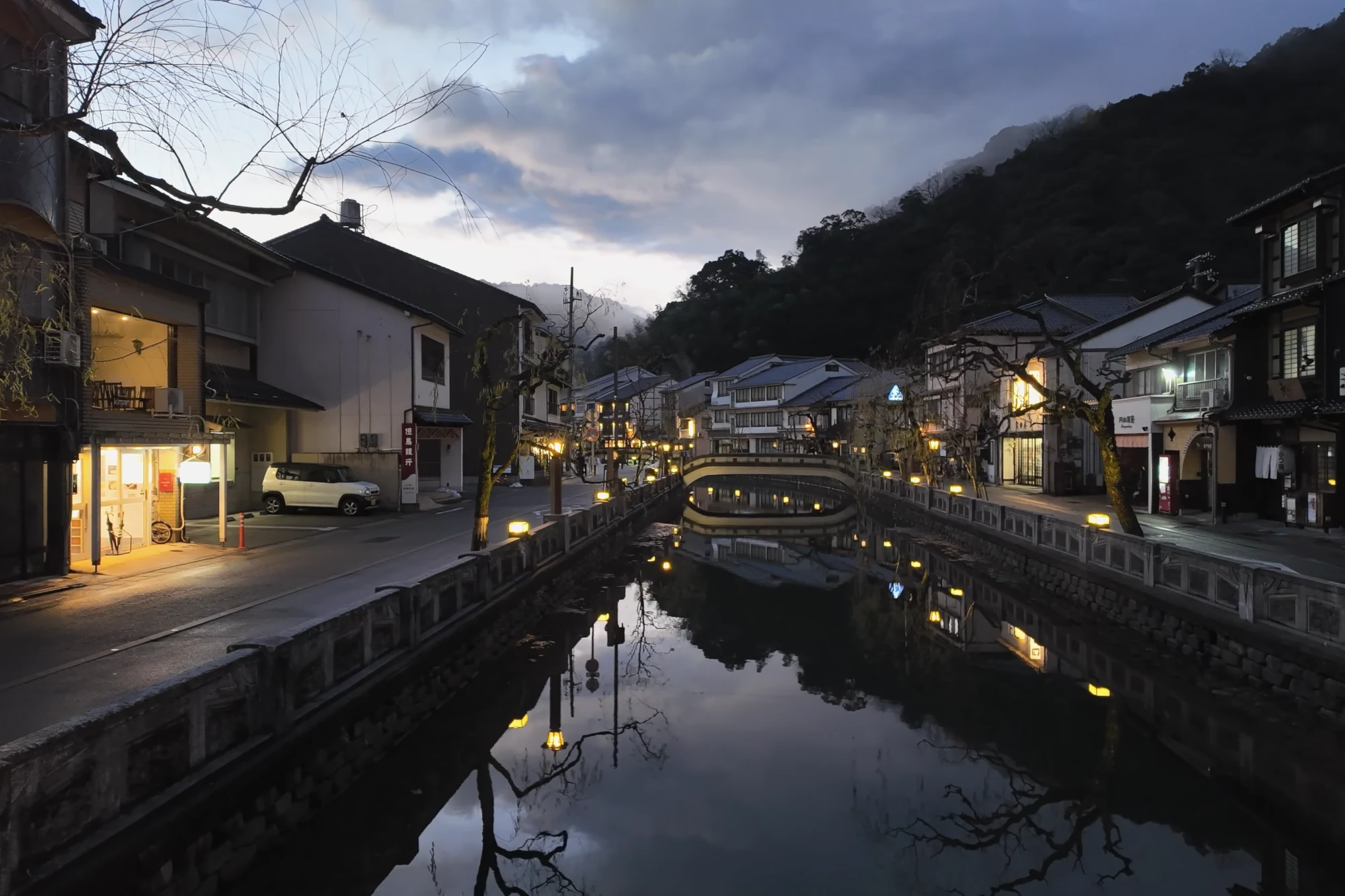
The shape of the night
One night is not the compromise version of Kinosaki; it is the town's native format. The whole machine — check-in ritual, bath circuit, kaiseki, lantern evening, morning soak — was built around the overnight guest, and it completes one full revolution in the roughly twenty hours between an early-afternoon arrival and a late-morning departure. Two nights add ease and repetition; one night, run to the correct clock, misses nothing structural. What it cannot afford is friction: on this schedule, an hour lost to indecision or a 19:00 (7 pm) arrival is an hour taken directly from the town's best material. The clock this page runs on is the town's own, and three of its times are load-bearing. The 15:00 (3 pm) bathhouse openings at まんだら湯 (Mandara-yu) and 柳湯 (Yanagi-yu) start the circuit's afternoon; the bathhouses' 23:00 (11 pm) close (last entry 22:30, thirty minutes before) bounds the evening; and the 7:00 (7 am) morning openings at 一の湯 (Ichi-no-yu), 御所の湯 (Goshono-yu) and 地蔵湯 (Jizō-yu) make the final soak possible before checkout. ⚠️ Hours as verified September 2026; the weekly closure rota means one or two houses will be shut on any given day — check the posted schedule at check-in and route around it. Everything below assumes the standard playbook from our planning guides: room booked with dinner, crab plan decided at booking in season, luggage either sent ahead or checked at the station lockers, and the free-with-stay bath pass collected at check-in. With those handled, the night runs itself — the town's clock does the scheduling and your only job is to keep the appointments. Here it is, hour by hour.
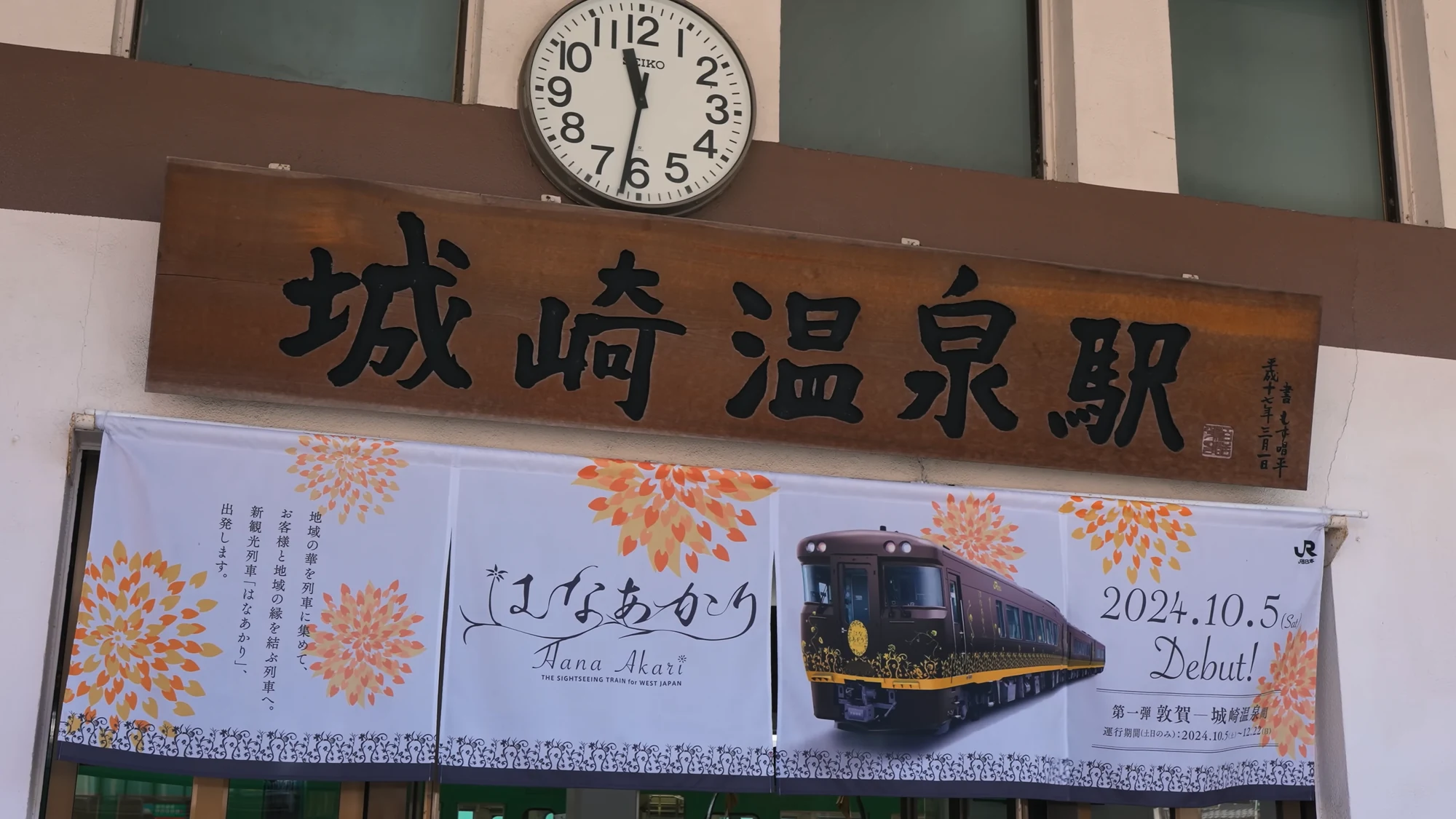
Arrive by 2pm, leave after 10am. The shape of the night is decided by those two times.
Afternoon: arrival to first soak (14:00–17:30)
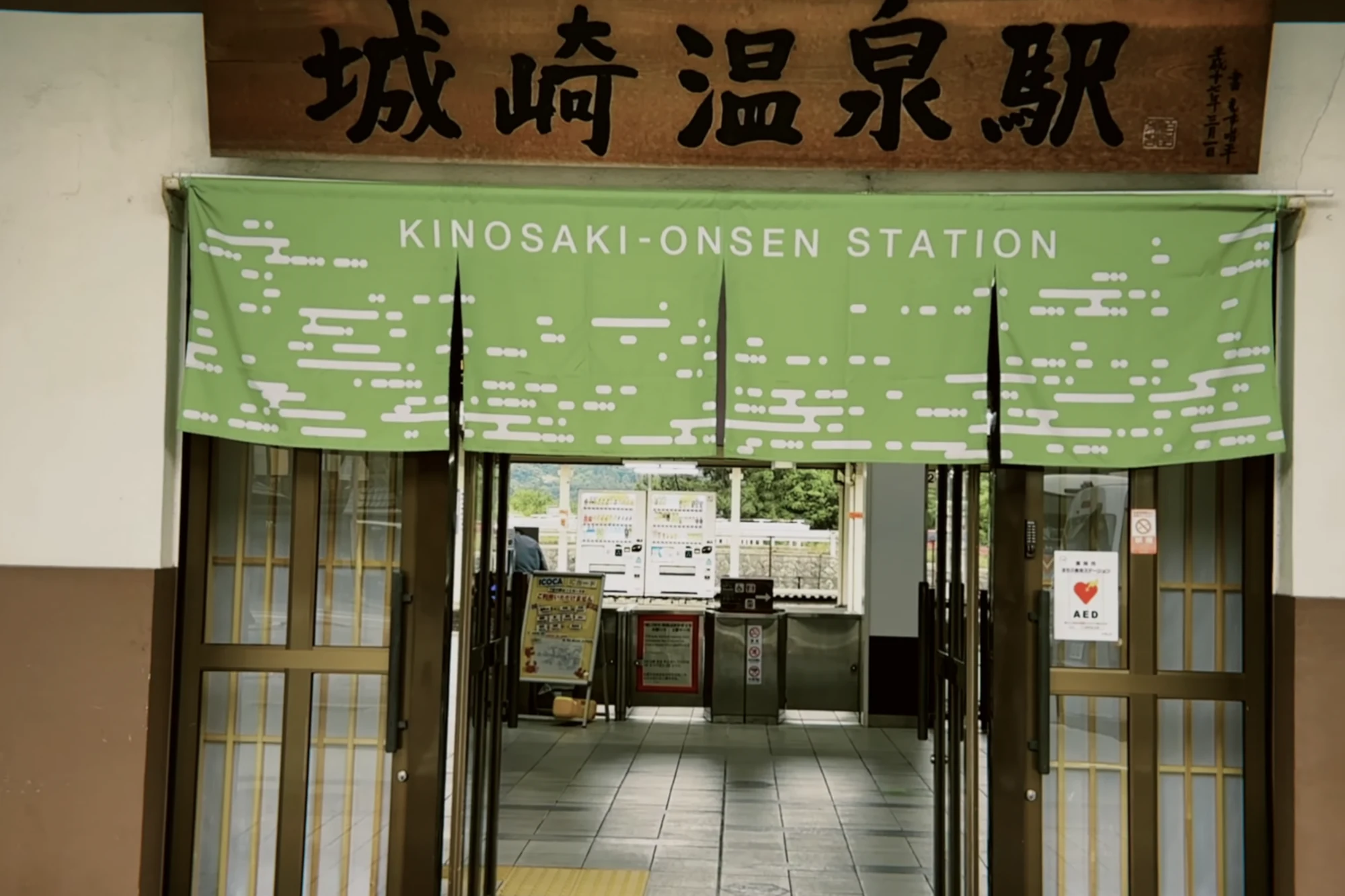
14:00 (2 pm) — arrive. Off the train, thirty seconds at the station-front drinking fountain (the town's water, ~57°C / 135°F, your first taste of the product), then the ten-minute walk or the inn shuttle to check-in. 14:30 — the first thirty minutes. Tea, the check-in ritual, and the yukata fitting — take the desk's help with sizing, left over right, and let them set you up properly, because this outfit is your uniform for the next eighteen hours. Collect the bath pass, photograph the bathhouse schedule posted at the desk, and note tonight's closures. 15:00 (3 pm) — first bath. The afternoon openers, Mandara-yu or Yanagi-yu, are the natural first soak — small houses, historic register, and open exactly when you are ready. Mandara-yu carries the founding story (the spring the monk's prayer raised); if the legend interests you, start where it started. One house, forty-five minutes, no rush: the first bath's job is to downshift you to town speed, not to open a checklist. 16:00–17:30 — the golden graze. The day-trippers begin draining toward the station and the street enters its best pre-dinner window. Walk the full axis once, end to end — fifteen minutes, and now you hold the map. Onsen eggs at the source basin, a crab croquette in season, a sake cup if you like, but govern the appetite: dinner is ninety minutes of procession and it deserves you hungry. If the ropeway tempts you, this is its slot — last ascents run late afternoon ⚠️ seasonal — but on a one-night trip it is the first thing to cut when the clock tightens.
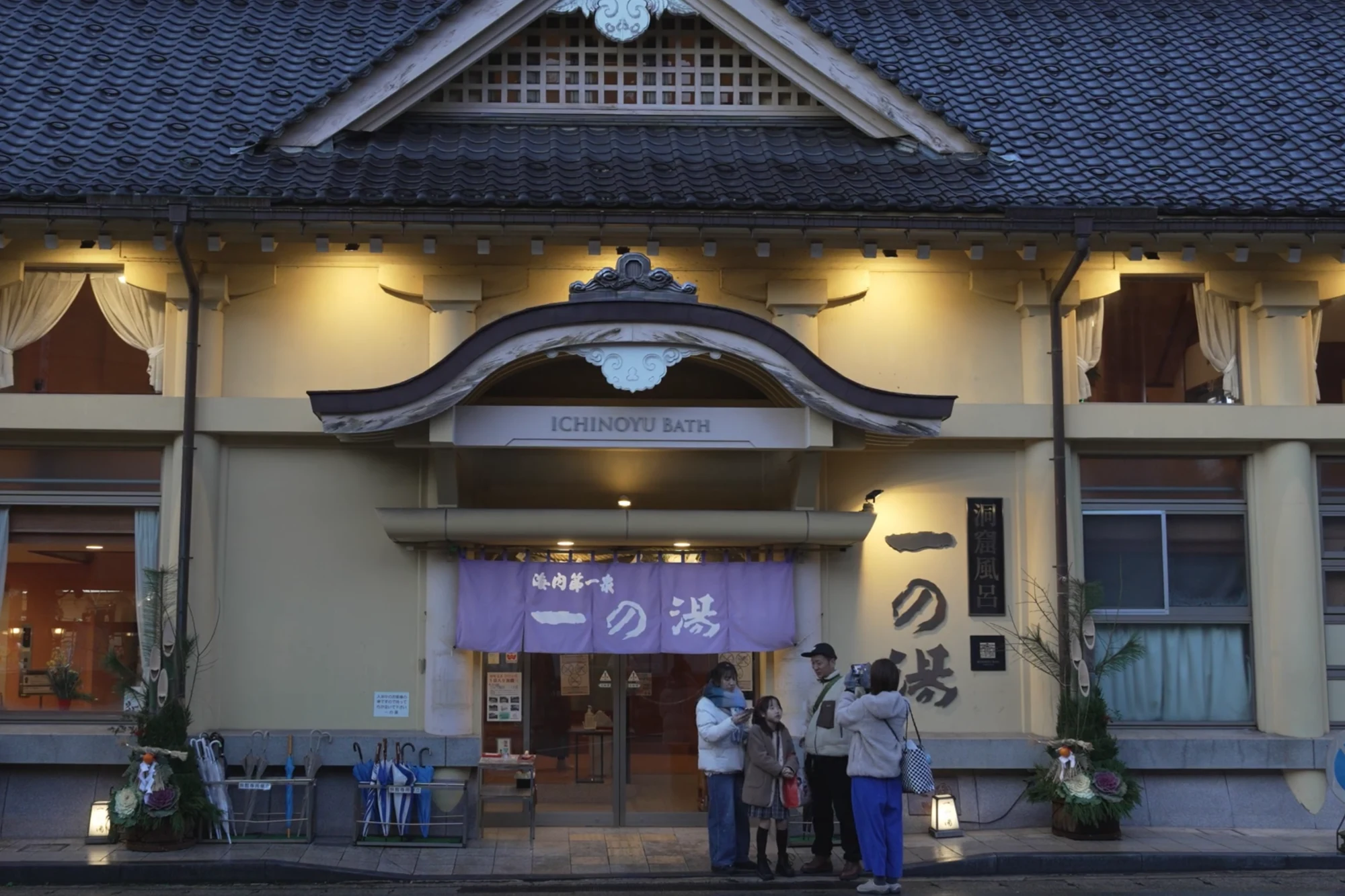
Four or five of the seven, unhurried. Chasing all seven in one night is the classic error.
Evening: kaiseki and the lantern circuit (18:00–23:00)
18:00 (6 pm) — dinner, earliest sitting. The single most consequential booking choice on a one-night stay: take the earliest hour offered. Kaiseki runs a real ninety minutes to two hours — in crab season, longer — and every minute of sitting after 18:00 comes out of the lantern evening. Surrender to the procession; this is the meal the room rate was always about. 20:00 (8 pm) — the circuit, proper. Out into the town's headline hours: lanterns on, canal lit, the street entirely returned to overnight guests in yukata. Two houses before close is the right ambition, three if you move early. The big two — Goshono-yu and Ichi-no-yu — do their best work now; take whichever you route past first, walk the bridges between soaks, and put ten unhurried minutes on a bridge rail doing nothing at all. That stationary interval is not filler; it is the town's actual product, and one-nighters who skip it to fit a fifth bathhouse have traded the experience for its container. 22:15 — last call, deliberately. Last entry is 22:30 (10:30 pm) and the final admission is a rushed one; better is a small finisher started by 22:00 — Jizō-yu, the locals' house, suits the hour — or skipping the last soak for a slow lap of the canal and a vending-machine beer on a bench. 23:00 (11 pm) — the town exhales. Bathhouses dark, street emptying, the fifteen-minute walk back through lantern light as good as anything that preceded it. Futon, window open a crack if the season allows, done.
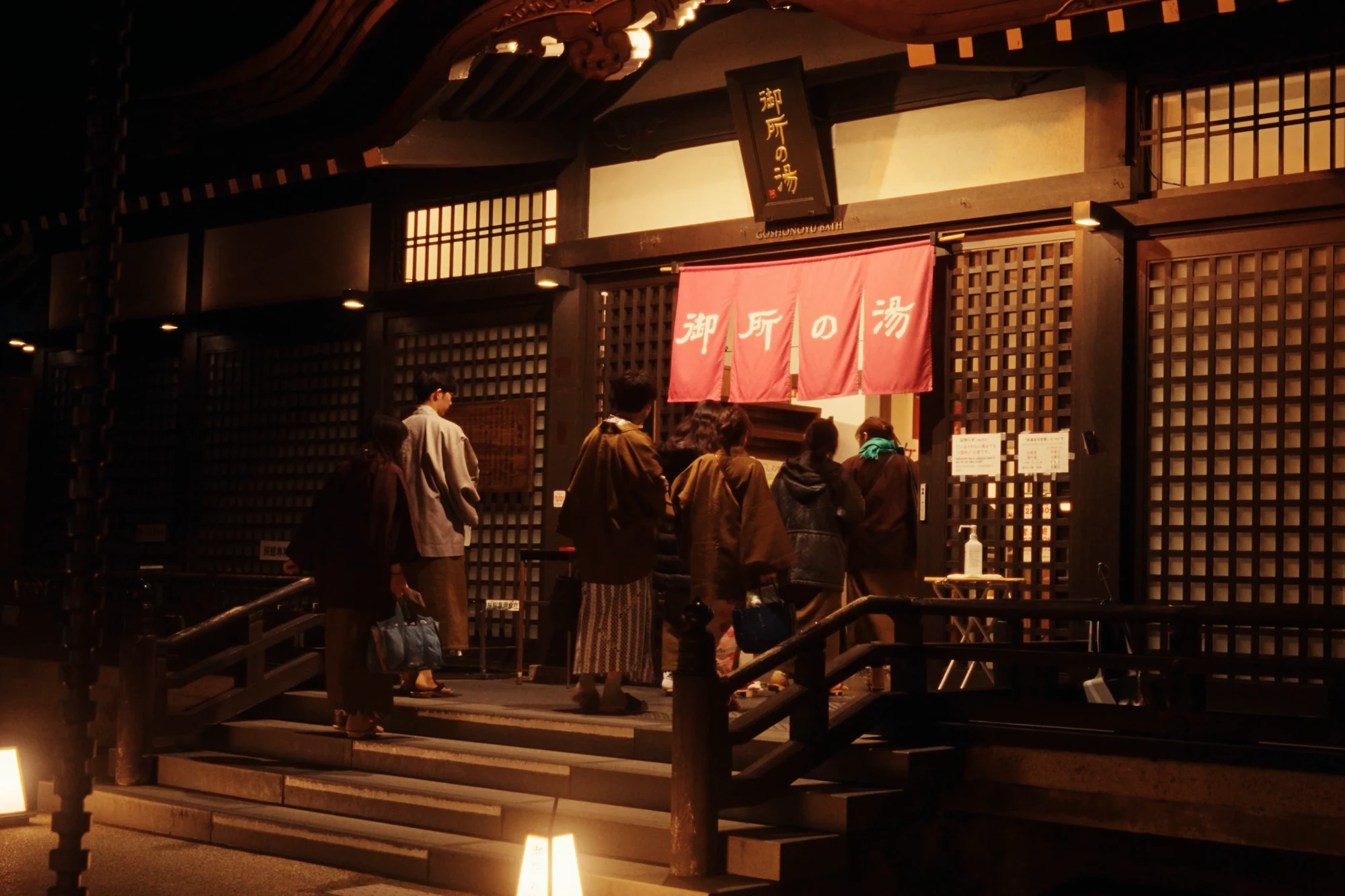
Last entry is 10:30pm across all the houses, with doors closed at eleven.
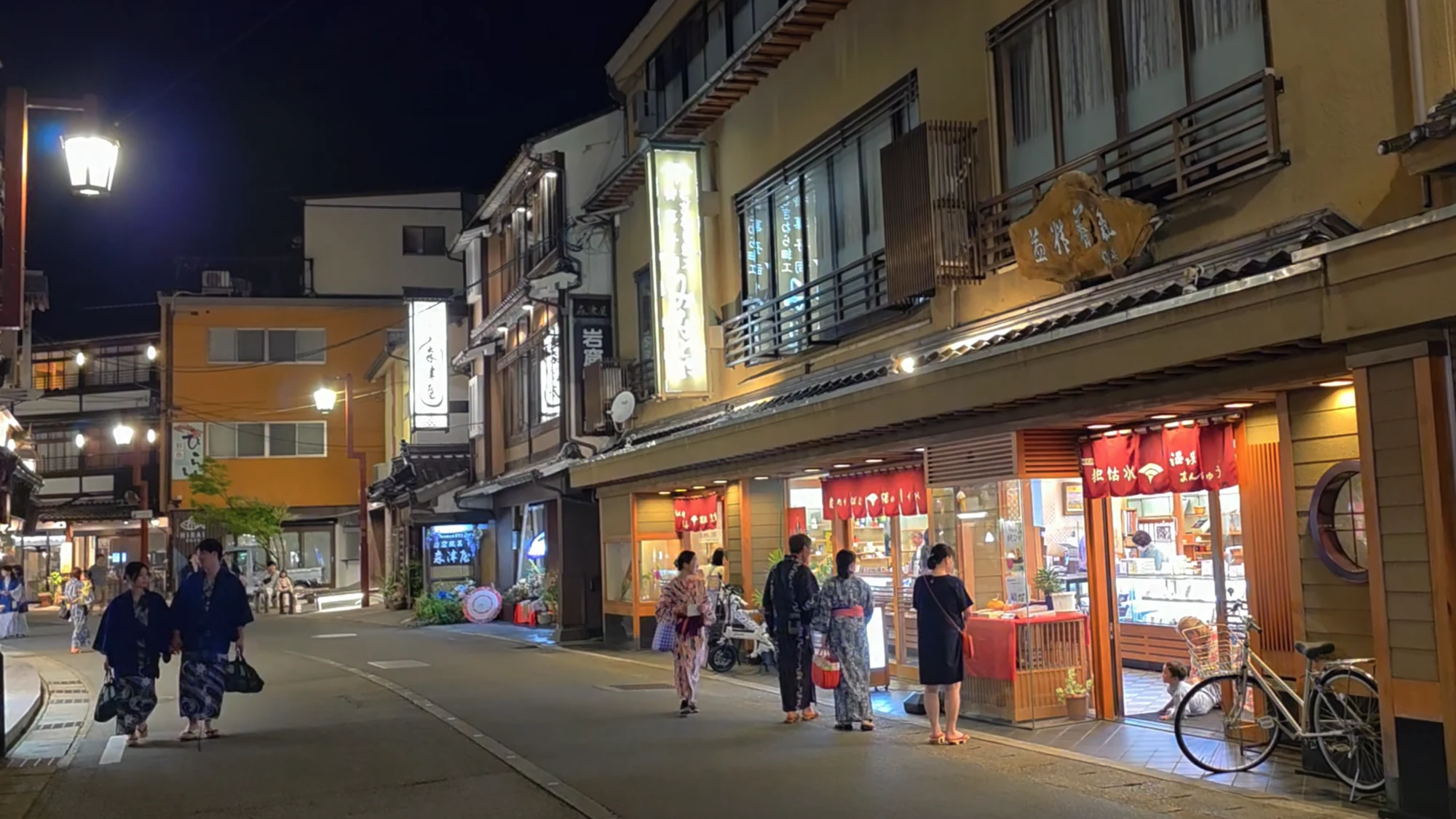
Take the earliest dinner sitting your inn offers — the difference is one whole house on the circuit.
Morning: the soak that justifies the whole format (6:45–10:30)
6:45 — up, yukata on, out. This is the appointment the alarm is for: the 7:00 (7 am) opening at one of the three morning houses. Pick by geography — the house nearest your inn, per the mental map in our station guide — because they share the same water and the morning's value is the hour, not the venue. The street at 6:55 belongs to a handful of fellow guests and the steam over the canal; in the cold months this walk is the single best scene the town offers at any hour. 7:00–7:45 — the morning bath. Quieter than anything the evening offered, and the circuit's proper finale: the same water, received by a rested body, in morning light. One house is correct. The one-nighter who tries to bank two before breakfast arrives at the table late and slightly boiled, having improved nothing. 8:00 (8 am) — breakfast at the agreed hour. The laid spread, grilled fish and rice done properly, and the inn's quiet judgment of guests who drift in late. Be on time; it is the last formal appointment of the stay. 9:00–10:30 — the unhurried exit. Settle up, hand off the bags, and spend the last hour as the town intends: souvenirs bought on departure morning with a night's judgment behind them — the straw-craft box first, per our things-to-do guide — a final thirty seconds at a drinking fountain, and the walk to the station done slow. A late-morning train lands the complete experience: seven baths available, four or five taken well, every headline hour attended. That is the whole format, and it fits in a day off.
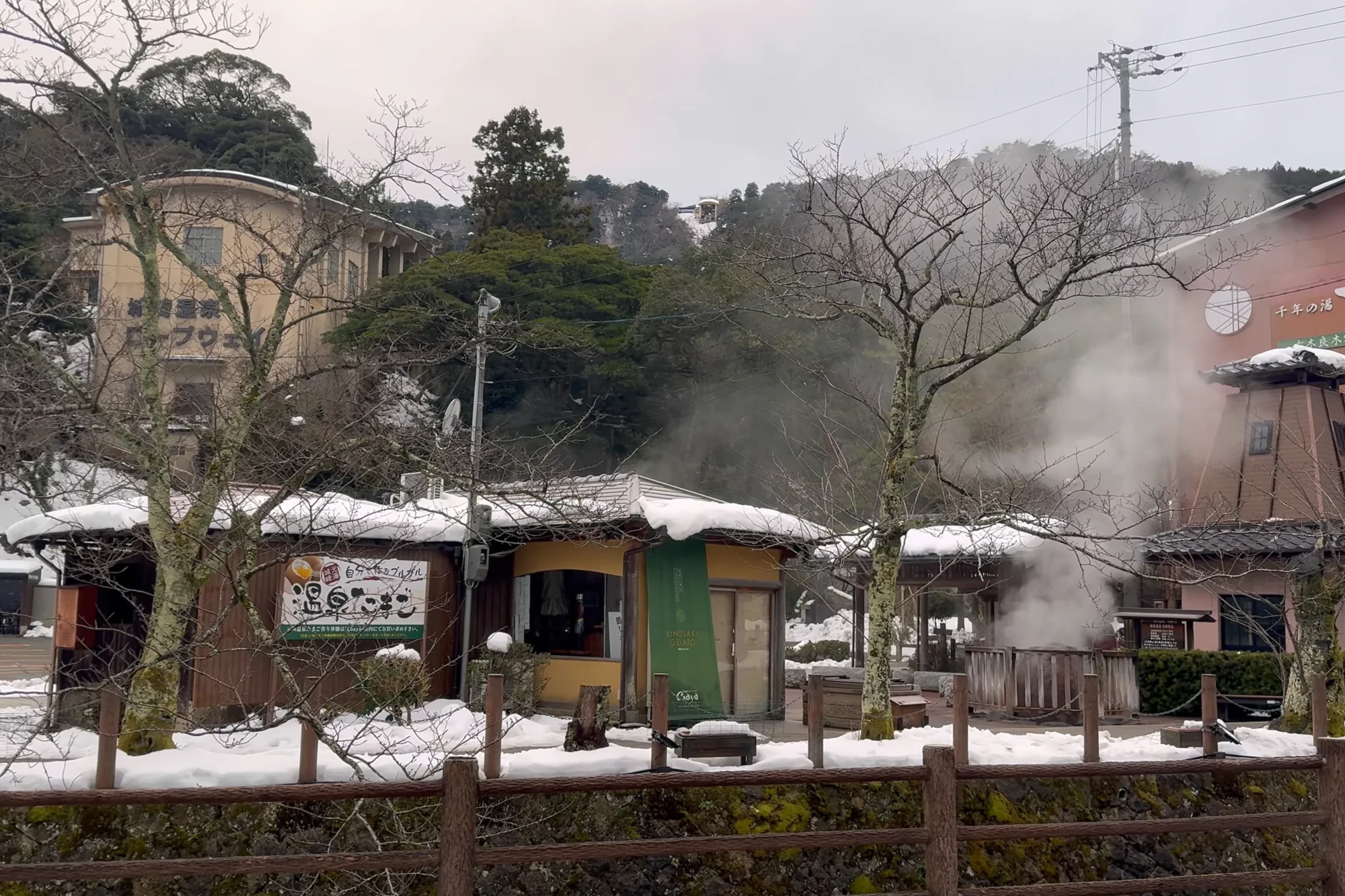
The 7am bath is the one that justifies the format. Everything else is available to day visitors.
What one night deliberately skips
Honesty about the cuts is what separates a real itinerary from a brochure, so here is what this schedule leaves out and why each cut is correct. The ropeway and Onsen-ji: the summit view and the temple are the town's best daylight material, and they are the first casualties of a 14:00 (2 pm) arrival — take them only if you land early or leave late, per the variants below. The museums: KINOBUN and the straw-craft museum each reward an hour, and one night has no spare hour; our things-to-do guide's rule applies doubly here — pick neither, and let both be the reason the town keeps for next time. ⚠️ KINOBUN under a temporary-closure notice as of September 2026 regardless. The day trips are not even a temptation on this format, and the two or three bathhouses left unvisited are the schedule's designed remainder rather than its failure: the seven-house circuit was never a checklist with a completion badge, the houses share one water, and the correct count for one night is the four or five this page routes you through, taken well. The town's own pass system quietly agrees — it prices the stay, not the count. What the format genuinely cannot deliver is repetition: the second morning at a different house, the return to the favorite, the day-two ease of knowing the map without thinking. That — not any attraction — is what the second night actually buys, and travellers who finish this itinerary wanting it have diagnosed themselves accurately. The one-night stay is complete; the two-night stay is comfortable. Both are correct answers to different trips, and our how-long guide adjudicates the trade in full.
Variants: tuning the night to your trip
The crab-season variant (November 6–March 20): the schedule holds, but dinner lengthens — full crab kaiseki can run past two hours — so the earliest sitting becomes mandatory rather than smart, and the evening realistically holds two houses, not three. Compensate with the morning: winter's 7:00 (7 am) soak, snow or steam over the canal, is the season's masterpiece and costs no schedule at all. Book the room and crab plan months ahead for weekends; the one-night midweek stay is the season's value play. The day-margin variants: with a late-afternoon forced arrival (16:00 / 4 pm or later), cut the first soak, go straight to the graze, and protect the evening — the lantern circuit and earliest dinner are the last things sacrificed, the ropeway and second museum the first. With a late departure (afternoon train out), you have gained the town's quietest gift: the 10:00–13:00 window for the temple, the museums or a second morning house before the day-trip crowds peak. The pass system's check-out mechanics — bathing after checkout on the same visit — vary by inn and pass rules; ⚠️ confirm at the desk rather than assuming. The two-night comparison, honestly: the second night buys repetition without revelation — the remaining houses, a day trip, dinner's non-crab menu — and our how-long guide makes the full case for and against. The one-night verdict this page stands behind: if the choice is one night in Kinosaki or two somewhere that needed the second, take the one night and run this clock. The town was engineered for exactly this guest, exactly this schedule, thirteen hundred years in the tuning.
Tips
Take the earliest dinner sitting — every kaiseki minute after 18:00 (6 pm) comes out of the lantern evening
Photograph the bathhouse closure schedule at check-in and route around it
Ten minutes doing nothing on a bridge rail is the itinerary's most important entry — keep it
Send or check luggage so you walk into town with hands free
Buy souvenirs on departure morning, with a night's judgment behind you

Verified by The Japan Onsen Society
Show all sources
Verified July 7–16, 2026; bathhouse hours and pass window verified September 22, 2026. Primary Japanese sources:
外湯 — 城崎温泉観光協会 (Kinosaki Onsen Tourism Association — bathhouse hours, closing days, current closures): [https://kinosaki-spa.gr.jp/about/spa/](https://kinosaki-spa.gr.jp/about/spa/)
外湯めぐり発祥の地!温泉天国★城崎温泉 — 豊岡市観光公式サイト (Toyooka City Official Tourism Site — the sotoyu system, ordinance, prices): [https://toyooka-tourism.com/recommend/onsen/kinosaki_sotoyu/](https://toyooka-tourism.com/recommend/onsen/kinosaki_sotoyu/)
城崎温泉の【飲泉】 — 豊岡市観光公式サイト (Toyooka City Official Tourism Site — the station-front drinking fountain, ~57°C): [https://toyooka-tourism.com/recommend/onsen/kinosaki_insen/](https://toyooka-tourism.com/recommend/onsen/kinosaki_insen/)
イベント情報 — 城崎温泉観光協会 (Kinosaki Onsen Tourism Association — the event calendar: Onsen Matsuri, autumn festival, Crab Kingdom season events): [https://kinosaki-spa.gr.jp/event/](https://kinosaki-spa.gr.jp/event/)
Related guides
Plan Your Visit
How long to stay
One night works, and most people do exactly that. Two nights is when the town stops being a stop.
Plan Your Visit
The 7 bathhouses
Same water in all seven houses. What changes is the room, the story, and the blessing on the door.
Plan Your Visit
Food Guide
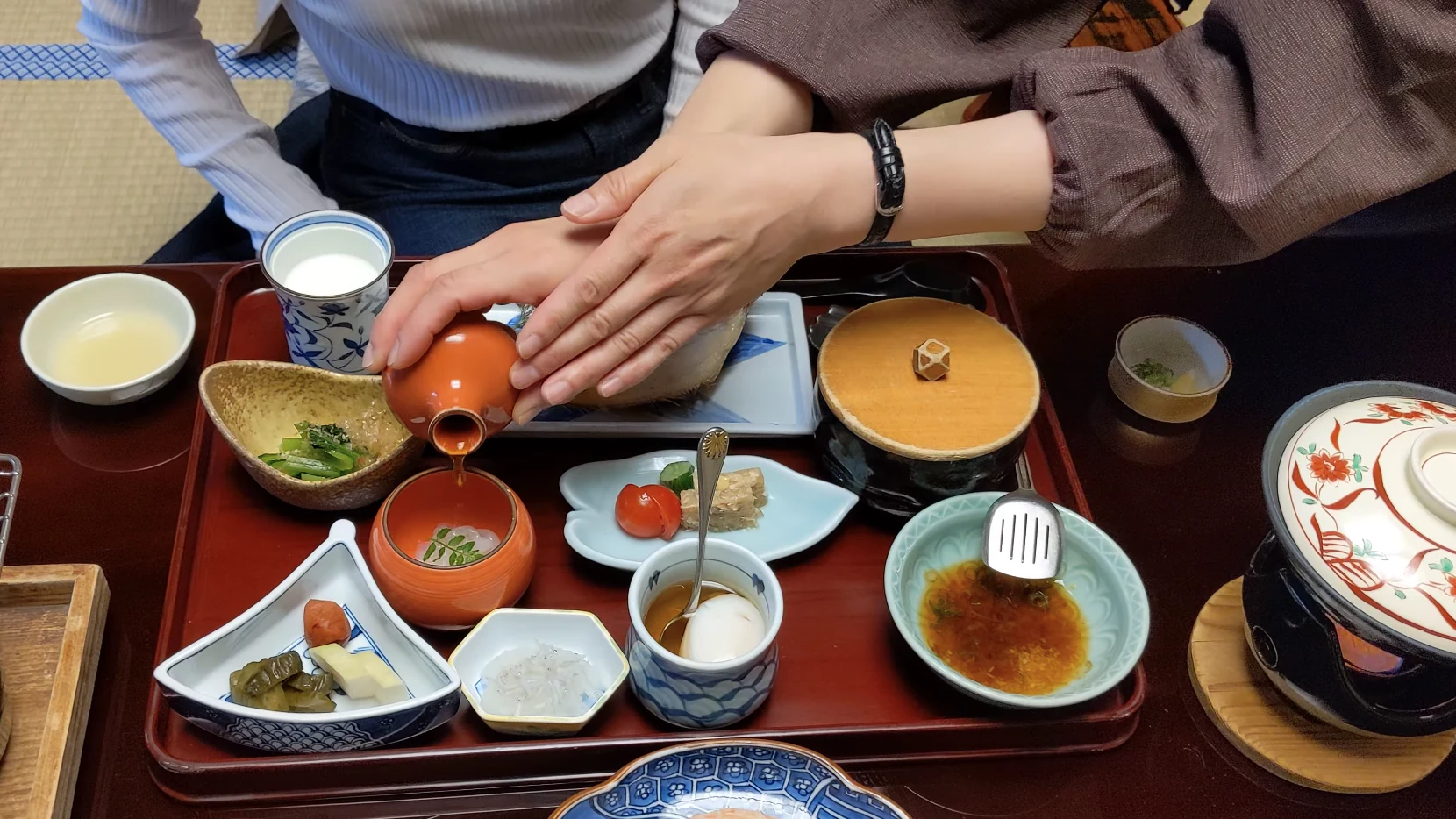
Crab gets all the headlines. Tajima beef, Izushi soba and the town's own sweets deserve the rest.
Plan Your Visit
Wearing yukata
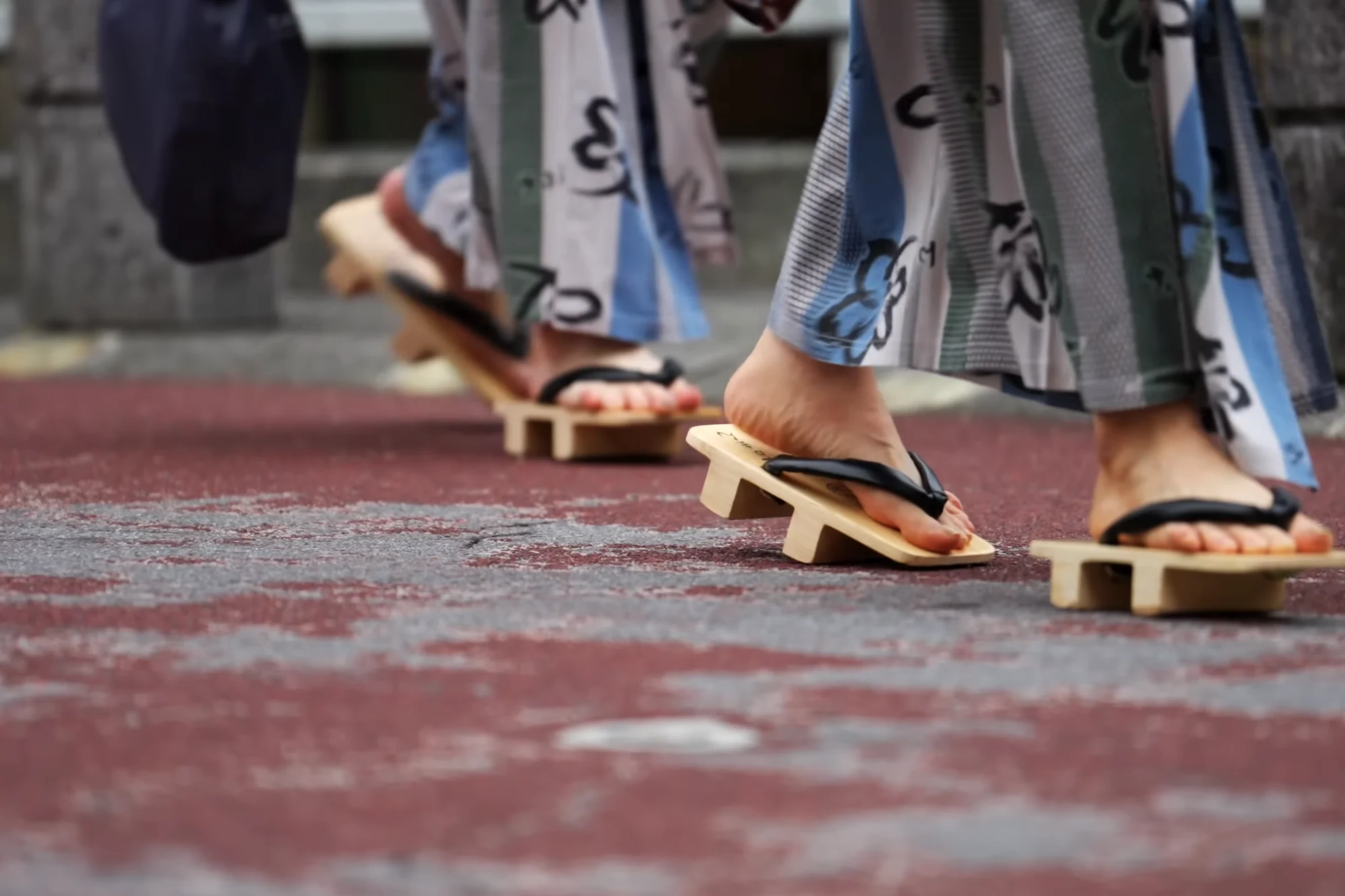
Yukata are worn in the street here, not only inside your room. Here is how to tie one and walk in it.
Plan Your Visit
Station & getting around
The town starts three minutes from the platform. After that you will not need anything but shoes.