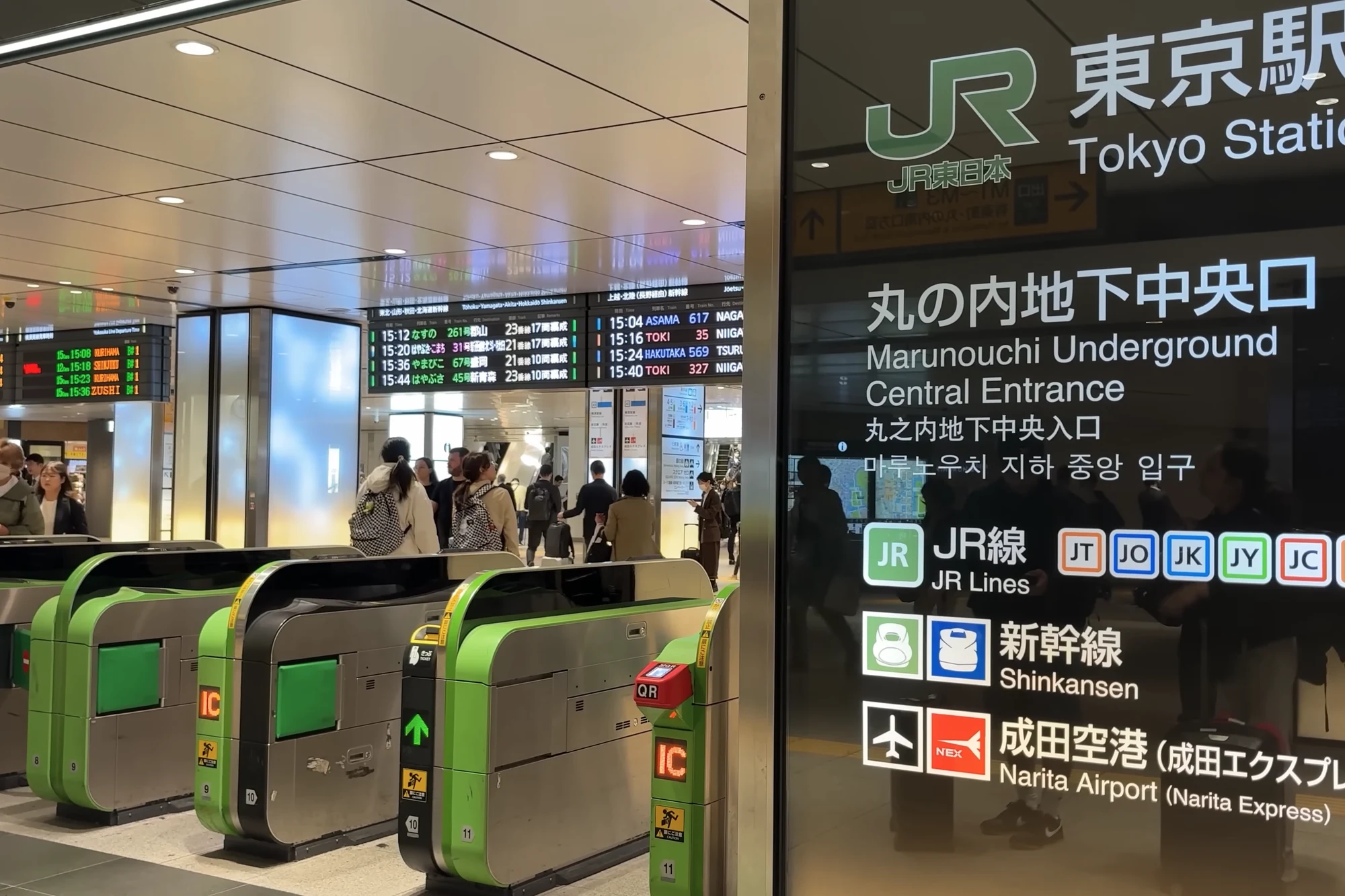
The Route at a Glance
1
1
Step 1
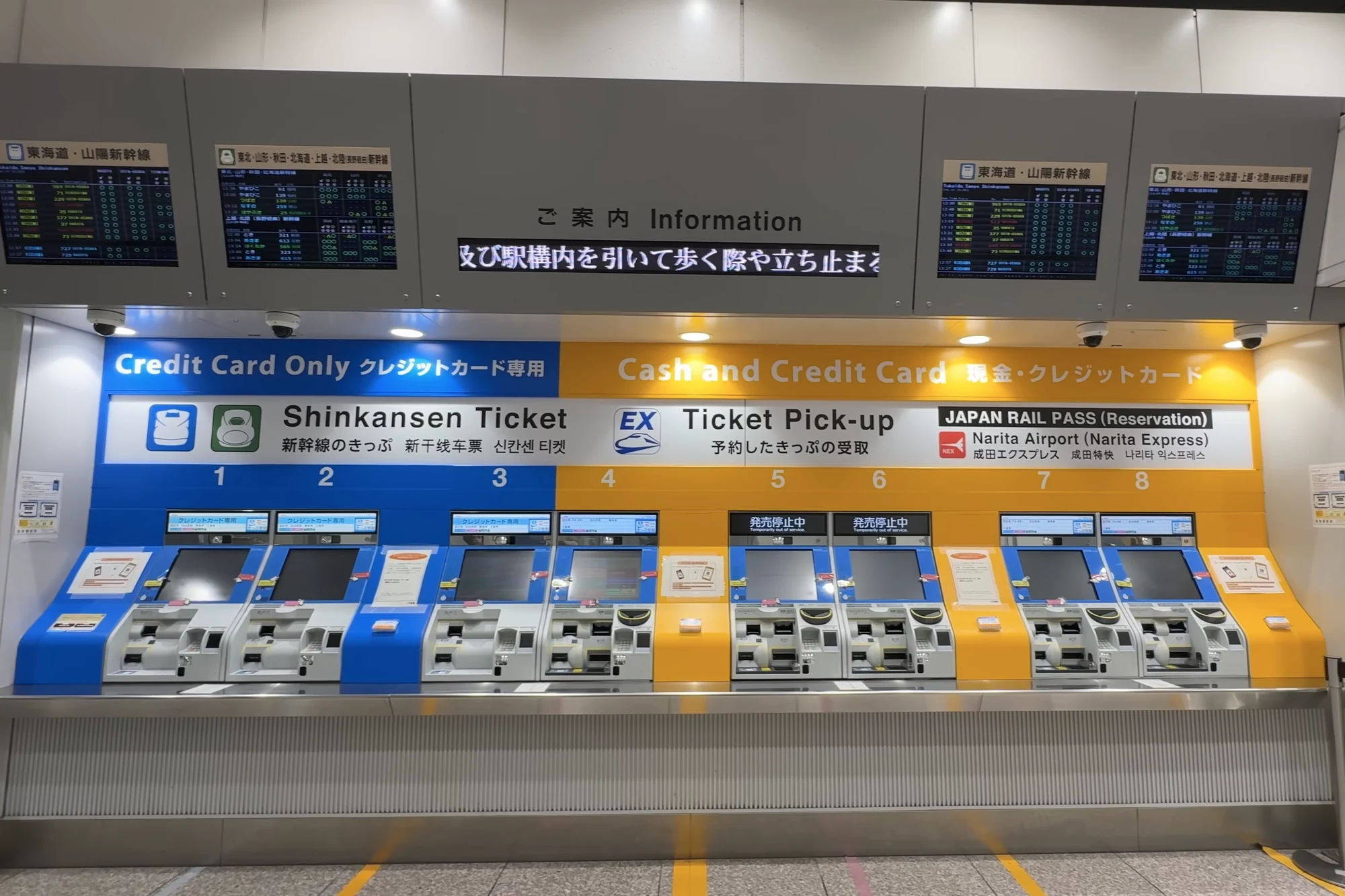
Book both legs before you leave
10 min
Two trains, two reservations. The Kyoto–Kinosaki express runs about five times a day, so book that one first and fit the shinkansen around it.
Full details
Reserve at any JR ticket machine or Midori no Madoguchi counter; the machines switch to English and handle JR Pass seat reservations free of charge. Without a pass, budget roughly ¥18,000–19,000 one way for the pair (about US$120–127). ⚠️ Smart EX covers the shinkansen leg online but not the San'in express, so the second leg still needs a machine or a counter.
2
2

Step 2
Find the Tōkaidō tracks at Tokyo Station
10 min
Tokyo Station is two stations in one. Follow the signs for the Tōkaidō–Sanyō Shinkansen, not the Tōhoku platforms on the far side.
Full details
From the Marunouchi side the Tōkaidō gates sit toward Yaesu; the walk is signposted in English throughout and takes under ten minutes from either entrance. Allow longer at rush hour. Buy a bentō before the gates rather than after — the selection on the concourse beats the platform kiosks, and there is no food service worth the name on the San'in leg.
3
3
Step 3
Tokyo to Kyoto by shinkansen
2h15m
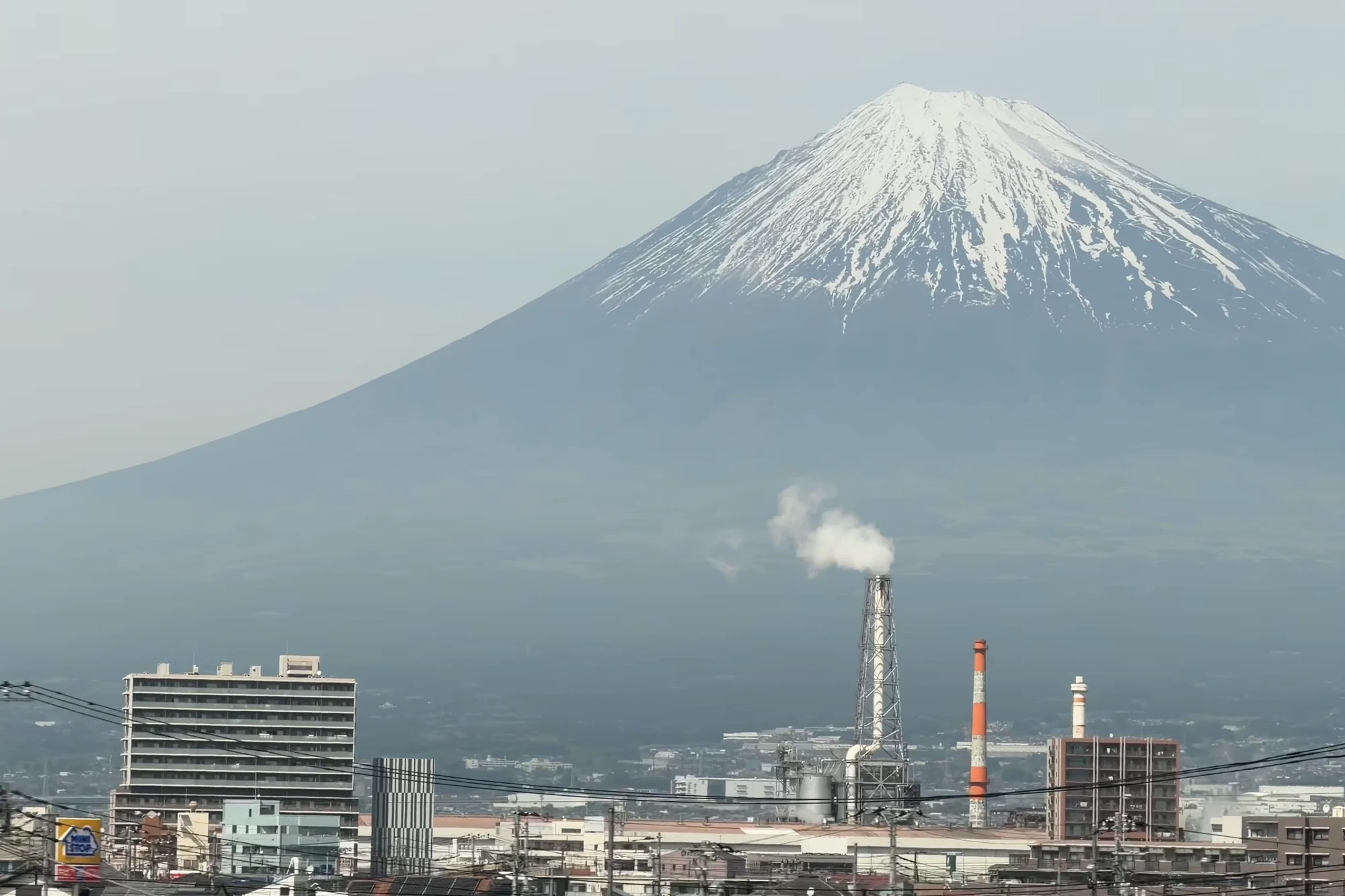
Nozomi services run every ten minutes or so and reach Kyoto in about 2 hours 15 minutes; sit on the right for Mt. Fuji.
Full details
Without a pass the Nozomi reserved fare is about ¥14,170 (about US$94). Note that the standard Japan Rail Pass requires the slower Hikari or Kodama services, about 2 hours 40 minutes, and JR's rules on Nozomi access shift, so verify the current terms. Mount Fuji appears on the right side about forty minutes out of Tokyo — the one obligatory tourist act of the leg — before the line runs on through to Kyoto, where the second leg begins.
4
4
Step 4
Transfer at Kyoto Station
10 min
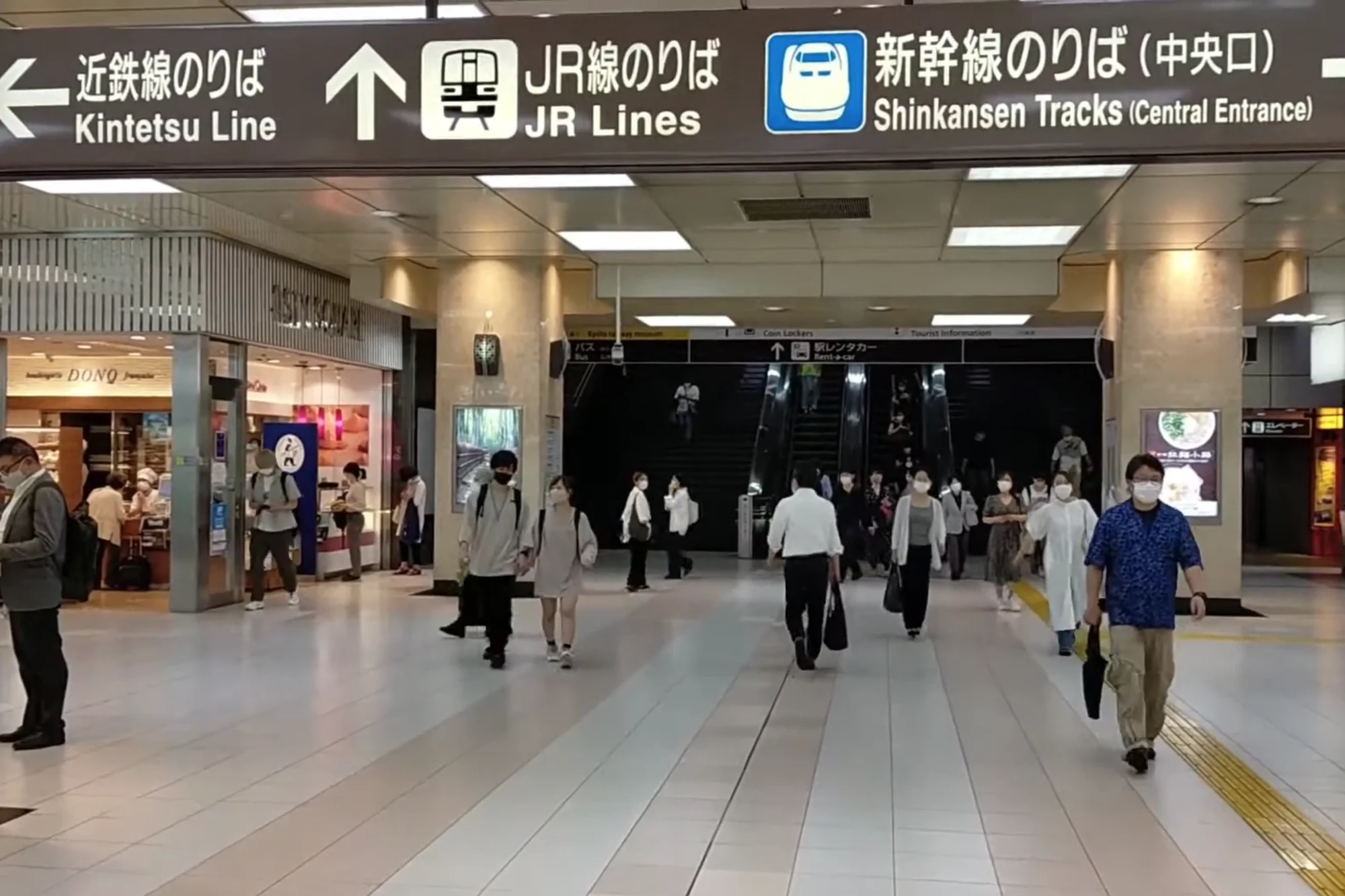
At Kyoto, move from the shinkansen gates to the Sanin platforms 31–33 — a signposted five-to-ten-minute walk inside the station.
Full details
The transfer is a walk, not a complication: follow the signs west and one floor down to the Sanin/Sagano platforms. Because the Kyoto–Kinosaki leg runs only about five times a day, build the whole journey around it — pick your Kinosaki departure first, then choose the shinkansen that lands you in Kyoto 30 to 45 minutes ahead of it, rather than the other way around. Osaka works identically via the Kounotori if your route favours it.
5
5
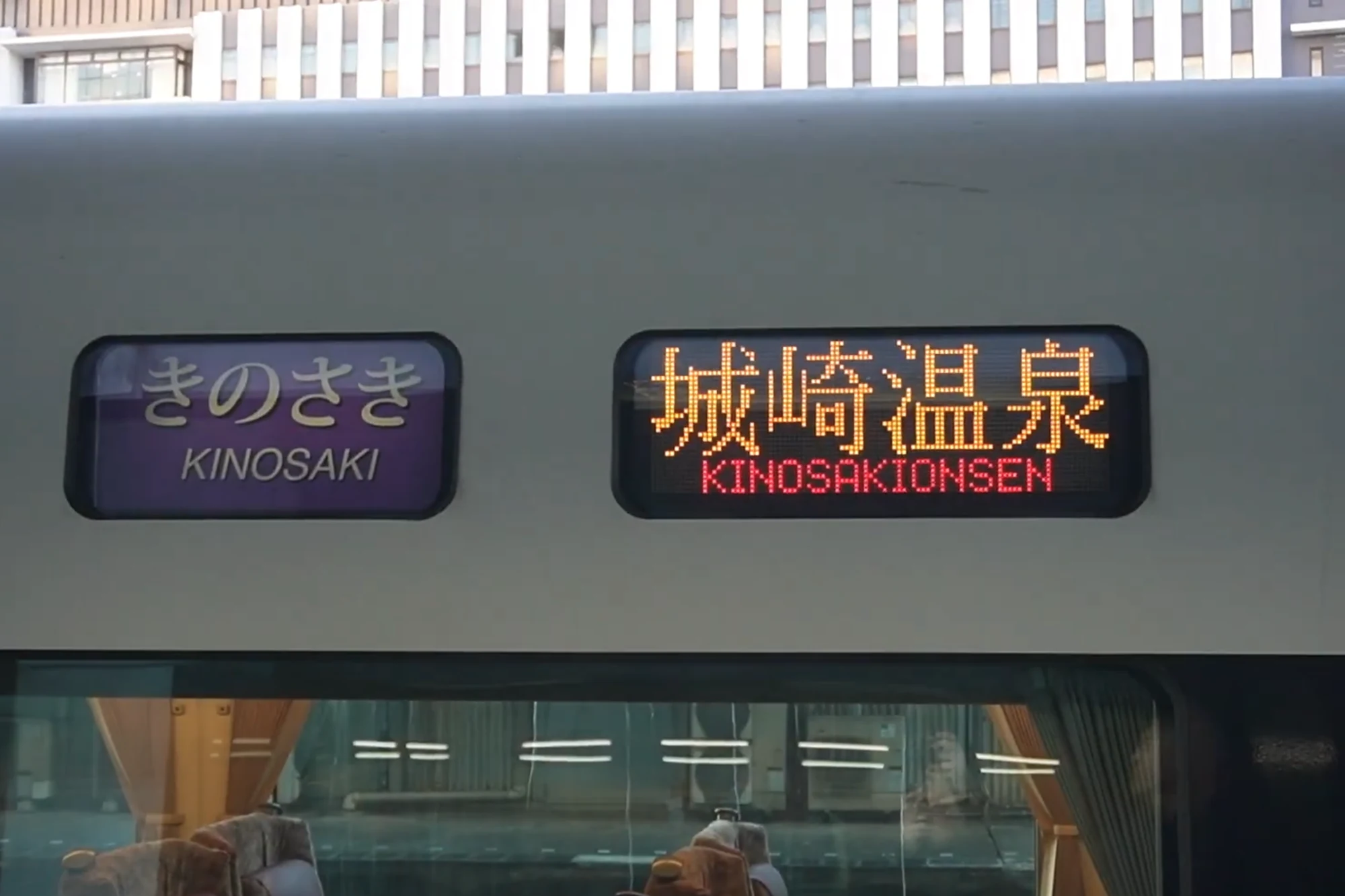
Step 5
Kyoto to Kinosaki by express
2h20m
The direct Limited Express Kinosaki runs about five times daily and reaches Kinosaki in 2h20m, opening with the Hozukyo gorge.
Full details
Our Kyoto guide covers this leg in full, including the fallback of connecting via Fukuchiyama when the direct timings disagree with your shinkansen. Sit on the right leaving Kyoto for the gorge in the first twenty minutes, then the Tamba country and the Maruyama River carry you into Kinosaki-Onsen Station. The whole route from Tokyo is JR Pass valid, or roughly ¥18,000–19,000 one way without a pass (about US$120–127).
6
6
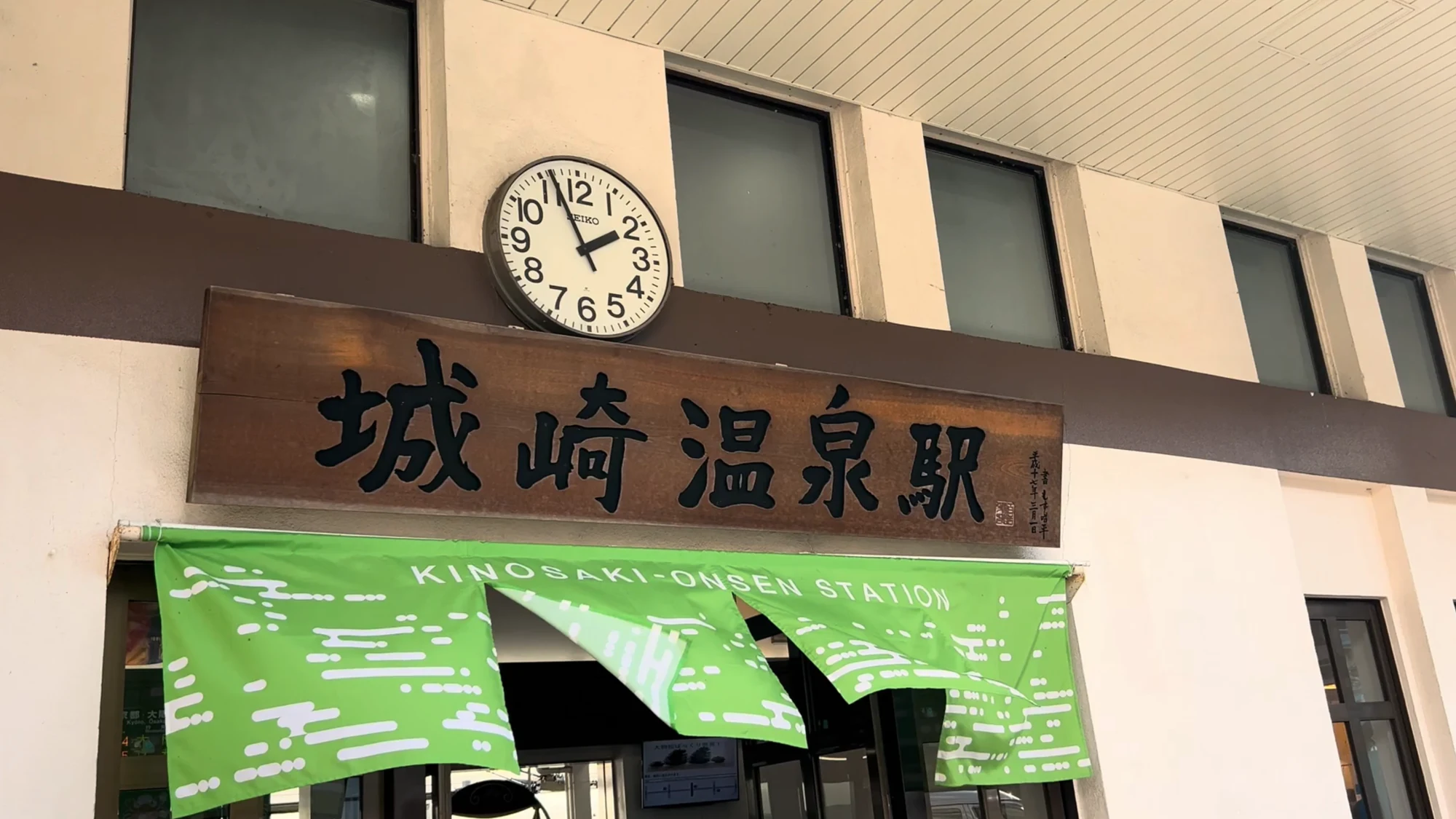
Step 6
Arrive and start the trip
5–15m
Kinosaki-Onsen Station opens onto the foot of the town, every inn a 5 to 15 minute walk away, with shuttles and luggage forwarding on hand.
Full details
After five hours of rail the correct first act is a bath before you even check in. Satono-yu, the house beside the station, has been closed since April 2024, so walk two blocks to the canal and start at Jizo-yu instead. Do not attempt Tokyo–Kinosaki as a same-day return — ten-plus hours of trains for a few bath hours inverts the point. Fold the town into a Kansai loop instead: Kyoto, then Kinosaki, then Osaka, and the long leg disappears into travel you were making anyway.

ARRIVAL
Kinosaki Onsen
Yushima 78, Kinosaki-cho, Toyooka, Hyogo 669-6101, Japan
0796-32-3663
Good to know
Pick the sparse Kyoto→Kinosaki leg FIRST, then choose the shinkansen that lands 30–45 minutes ahead of it.
Sit on the right side leaving Tokyo for Mt. Fuji about forty minutes in.
Fold Kinosaki into a Kansai loop (Tokyo → Kyoto → Kinosaki → Osaka) — the long leg disappears into travel you were doing anyway.
After five hours of rail, take a bath before check-in — start at Jizo-yu while Satono-yu is closed (since April 2024).
Second-trip travellers: continue west along the San'in coast rather than backtracking.
FAQ
Frequently Asked Questions
Quick answers on timing, the Japan Rail Pass, alternate routes, and where to stay.
How do you get from Tokyo to Kinosaki Onsen?
Is there a direct train from Tokyo to Kinosaki?
How much does Tokyo to Kinosaki cost?
Is Kinosaki worth it from Tokyo?
Can you do Tokyo to Kinosaki and back in a day?
Related guides
Plan Your Visit
How long to stay
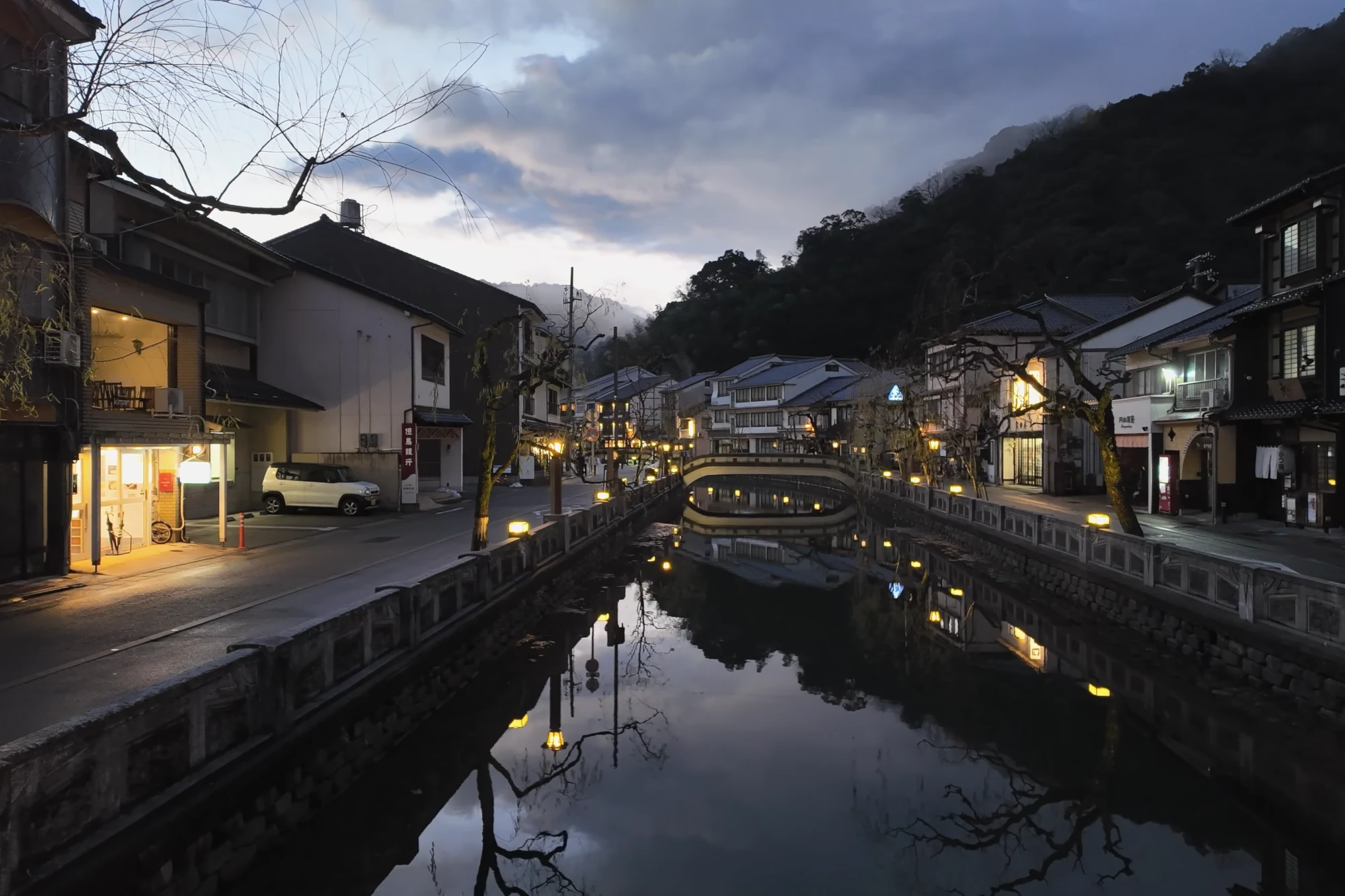
One night works, and most people do exactly that. Two nights is when the town stops being a stop.
Plan Your Visit
2-day itinerary
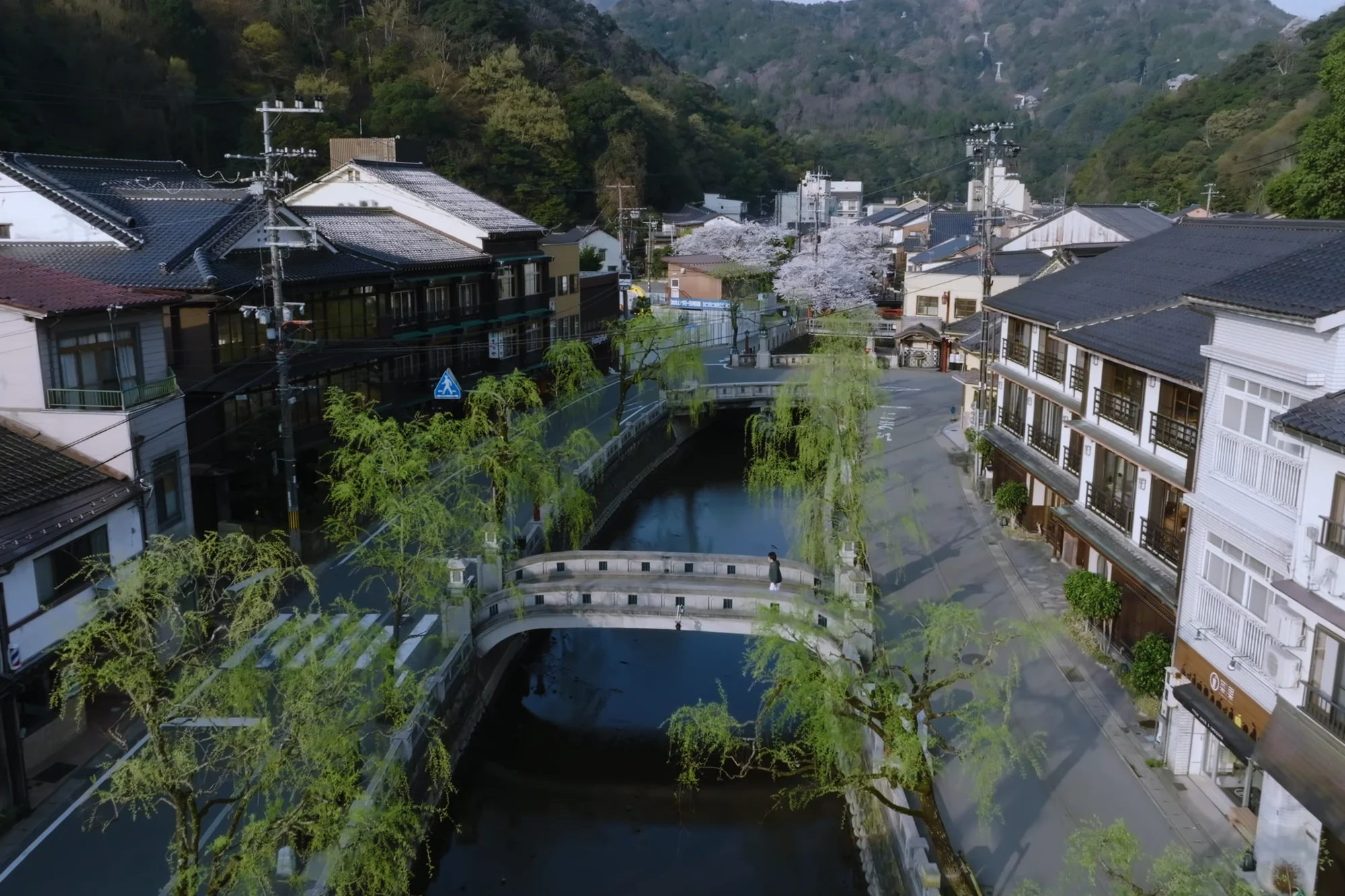
Two days and one night, hour by hour, built around the hours the seven bathhouses actually keep open.
The Town and Its Baths
Kinosaki complete guide
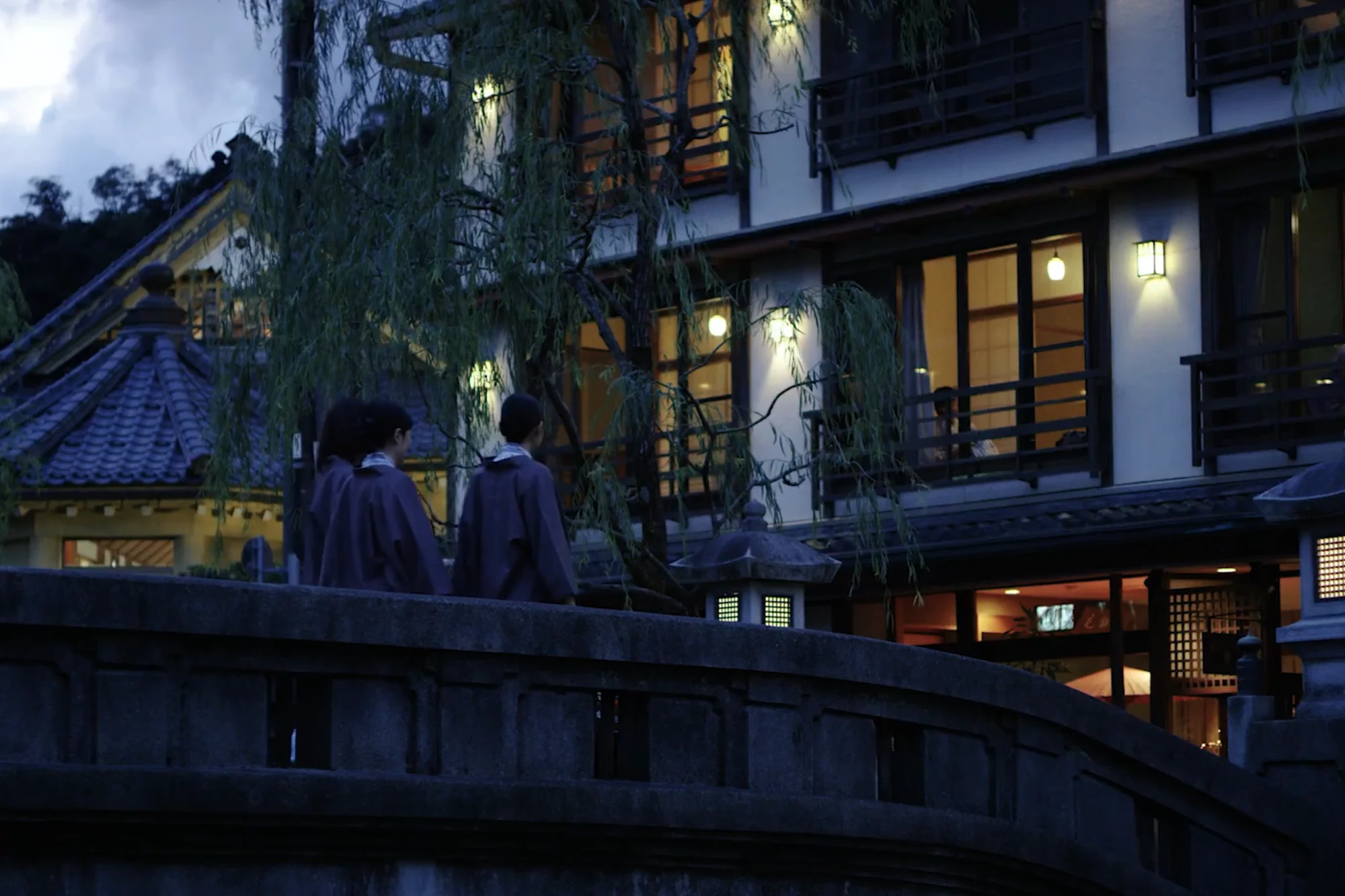
Seven public bathhouses, one shared spring, and a law that keeps them the centre of town. Start here.

Verified by The Japan Onsen Society
Verified July 7–16, 2026
Show all sources
Primary Japanese sources:
城崎温泉までの交通案内 (Access to Kinosaki Onsen) — 城崎温泉観光協会 (Kinosaki Onsen Tourism Association): [https://kinosaki-spa.gr.jp/access/](https://kinosaki-spa.gr.jp/access/) — the journey time from Tokyo (about 4h40 total: Tokaido Shinkansen to Kyoto, then the 特急きのさき, Limited Express Kinosaki; there is no direct train).
城崎温泉の【飲泉】 (drinking-spring & town guide) — 豊岡市観光公式サイト (Toyooka City Official Tourism Site): [https://toyooka-tourism.com/recommend/onsen/kinosaki_insen/](https://toyooka-tourism.com/recommend/onsen/kinosaki_insen/) — town geography and the station-front location (the town starts about a 3-minute walk from Kinosaki-Onsen Station).
Verified July 7 – September 23, 2026.