English-speaking ryokan: the wrong search, and the town that answers it
Kinosaki is unusually easy in English for a small onsen town. These are the inns that prove the point.
Quick answer
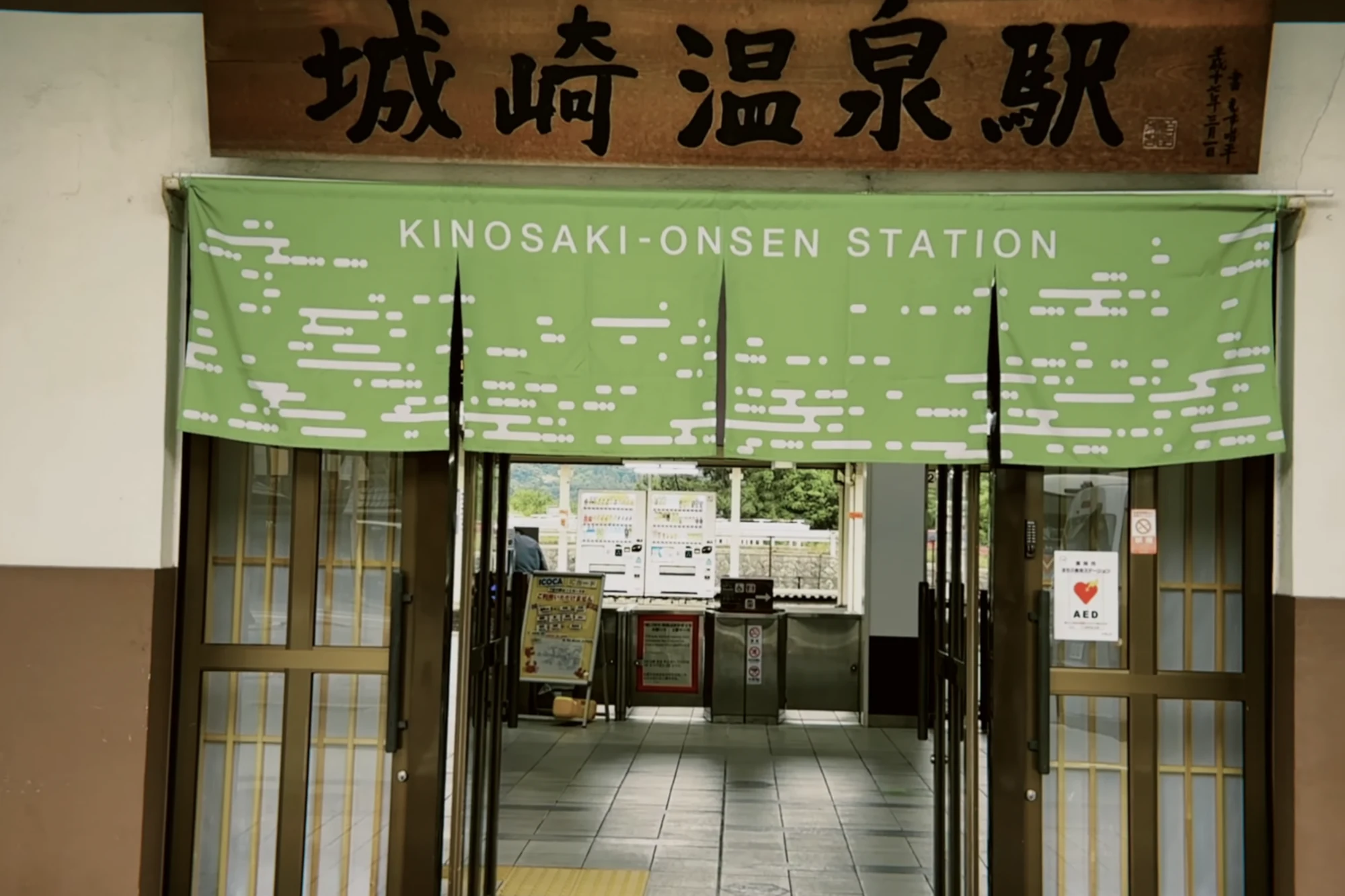
Most traditional ryokan operate mainly in Japanese, but you don't need an "English-speaking ryokan" to stay at one successfully — the ryokan ritual is designed to be shown, not explained, and inns in established tourist destinations handle non-Japanese guests daily. If you want maximum ease, pick a town rather than hunting inn by inn: Kinosaki Onsen, which has organized itself around international visitors — town-run English information and booking support ⚠️, English signage at its seven public baths, and inns accustomed to first-timers — is arguably Japan's easiest onsen town to do entirely in English.
The search that brings most readers here — "English-speaking ryokan" — is usually a proxy for a different worry: *I want the real thing, and I'm afraid I'll do it wrong.* So before the practical advice, the reassurance you actually need: in decades of foreign travelers staying at ryokan, the inns have gotten extremely good at the pantomime. Slippers are pointed at. Yukata are demonstrated. Dinner arrives course by course whether or not you can name it. The ryokan is among the world's most forgiving lodging formats for a language gap, because almost everything important is physical. That said, comfort levels differ, and some situations genuinely warrant English support — dietary restrictions, mobility needs, traveling with a medical condition, or simple preference. Here's the honest map. A scope note so this page serves you fast: if you already know you are coming to Kinosaki, skim straight to the town sections and the phrase kit at the end — the general ryokan advice exists for readers comparing destinations. And one vocabulary decision up front: throughout this page, "English support" means the ability to get what you need, not conversation. Those are different products; travel needs the first, and the first is far more available than the second. One promise to hold us to: every claim here about what "works without Japanese" was written from the traveller's side of the desk, not the brochure's — and where a service's current scope needs confirming, the ⚠️ marks it plainly rather than hiding it in confidence.
What "English-speaking" actually means at a ryokan
A useful scale, because listings rarely define it: 1. English-fluent front desk — rare outside luxury properties and big-city ryokan-hotels. 2. "Reception English" — one or two staff who handle check-in, meal times, and directions confidently. Common in tourist-destination inns. 3. Phrase-and-app English — goodwill, translation apps, laminated English instruction cards. The default at family-run inns nationally, and more workable than it sounds. 4. Japanese only — mostly rural inns off the tourist circuits; still navigable, but this is where the adventure premium kicks in. Booking platforms flag "English OK" inconsistently, so judge instead by proxy signals: an English version of the inn's own website maintained beyond a homepage; English-language dinner and bath instructions mentioned in reviews; and — the strongest signal — location in a town that hosts foreign guests nightly. The scale has a practical use beyond expectation-setting: match your actual needs to a tier rather than defaulting to the top. A standard stay — check-in, dinner, bath, checkout — runs comfortably at tier 3; only complex dietary, medical or logistics needs genuinely require tiers 1–2, and those are better served in writing anyway. A worked example makes it concrete: at a tier-3 family inn, check-in is a passport, a gesture at the dinner-time board and a shown room; dinner arrives labelled by nothing but its own beauty; the bath instructions are pictograms. Total English required: perhaps six words, and the stay loses nothing.
English-speaking usually means one fluent staff member on some shifts, not the whole house.
The better strategy: choose the town, not the inn
English support at Japanese inns clusters geographically. An inn in a town with steady international traffic has laminated cards, pointing menus, and staff who've answered your question a thousand times — whatever their TOEIC scores. This is why we tell readers hunting "English-speaking ryokan" to invert the search, and why Kinosaki Onsen keeps being our answer:
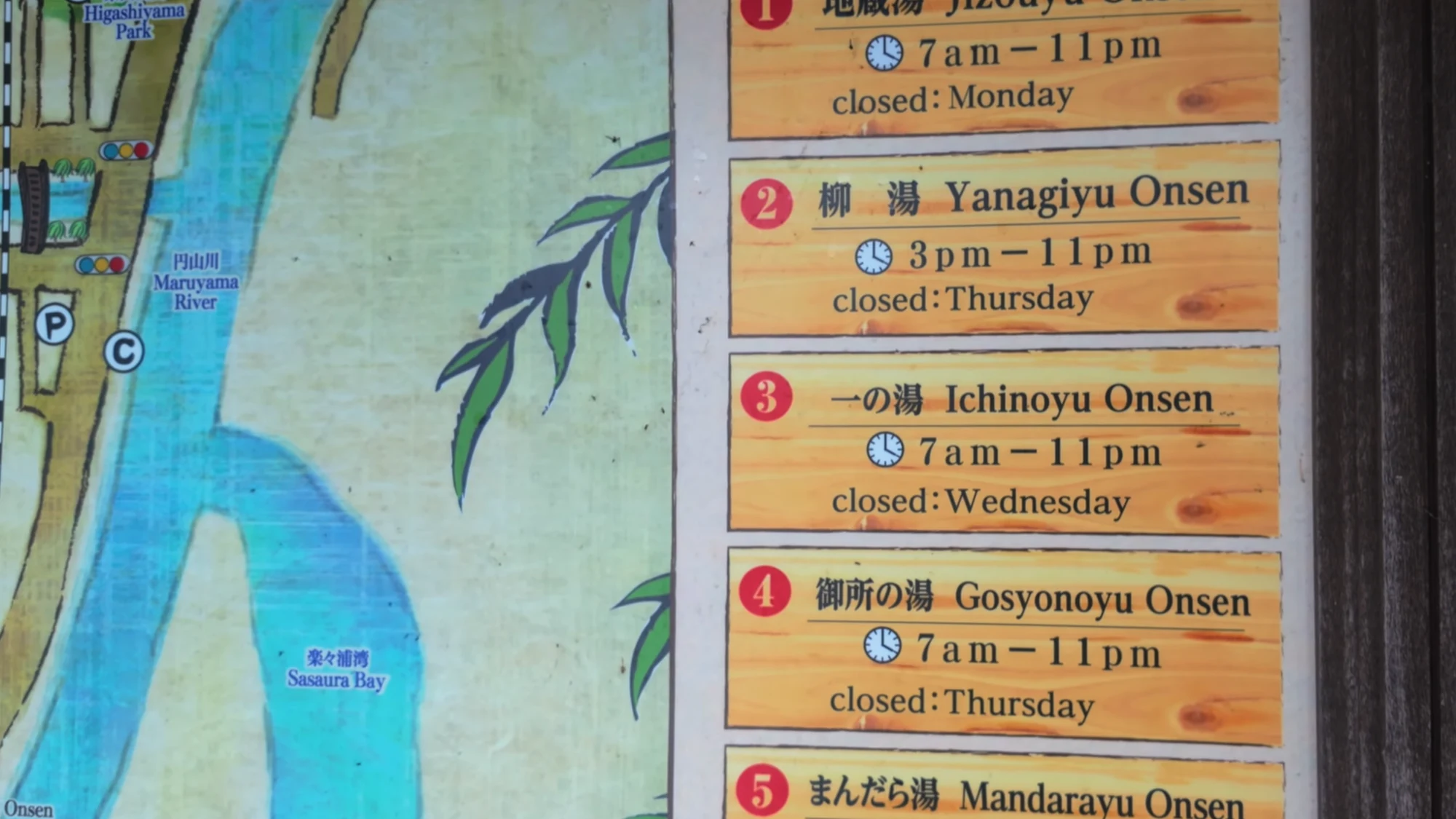
The town signs its own bathhouses in English, which removes the questions an inn would otherwise field.
The town organizes for you. Kinosaki's tourism office runs English information and booking assistance for the town's inns ⚠️ — you can arrange a traditional, family-run ryokan through an English-language channel rather than testing each inn's inbox.
The public ritual is signposted. The seven sotoyu bathhouses — the town's core experience — carry English signage and instructions, and the bathing circuit requires zero conversation: buy or show a pass ⚠️, undress, wash, soak.
The inns expect you. From the flagship kitchens to the budget guesthouses (see our stay guides), Kinosaki's inns host international guests as a nightly norm, with the pantomime polished accordingly.
Failure is cheap. The town is one flat, walkable kilometer (about half a mile); nothing depends on nailing a bus timetable or a phone call in Japanese.
Other towns share some of this profile — Hakone and Takayama among them — but few combine the compact geography, the English-supported booking path, and the show-don't-tell bathing ritual as completely. ⚠️ The Kinosaki-specific evidence has grown since this page was drafted: the town's official visitor materials run bilingually down to its social captions, the association operates its own vacancy-search channel, and the bath system's signage was built for exactly the guest this page addresses. ⚠️ Verify current channel scope at publish.
Booking without fluent English — the checklist that works
Book where messages are translated. The major international platforms translate guest–inn messages automatically ⚠️; use the message field rather than email.
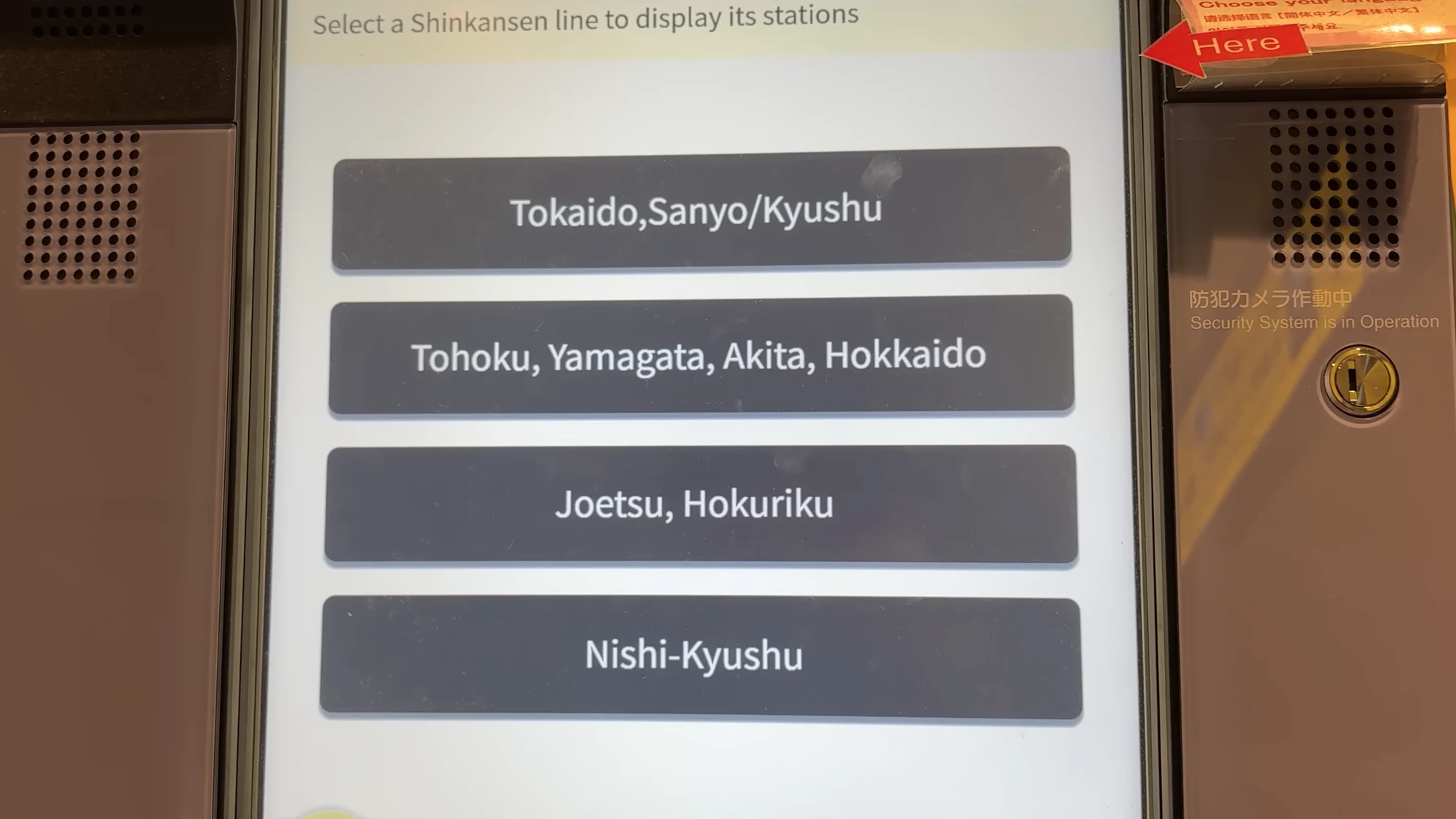
Booking the trains needs no Japanese at all. The inn is the only conversation that might.
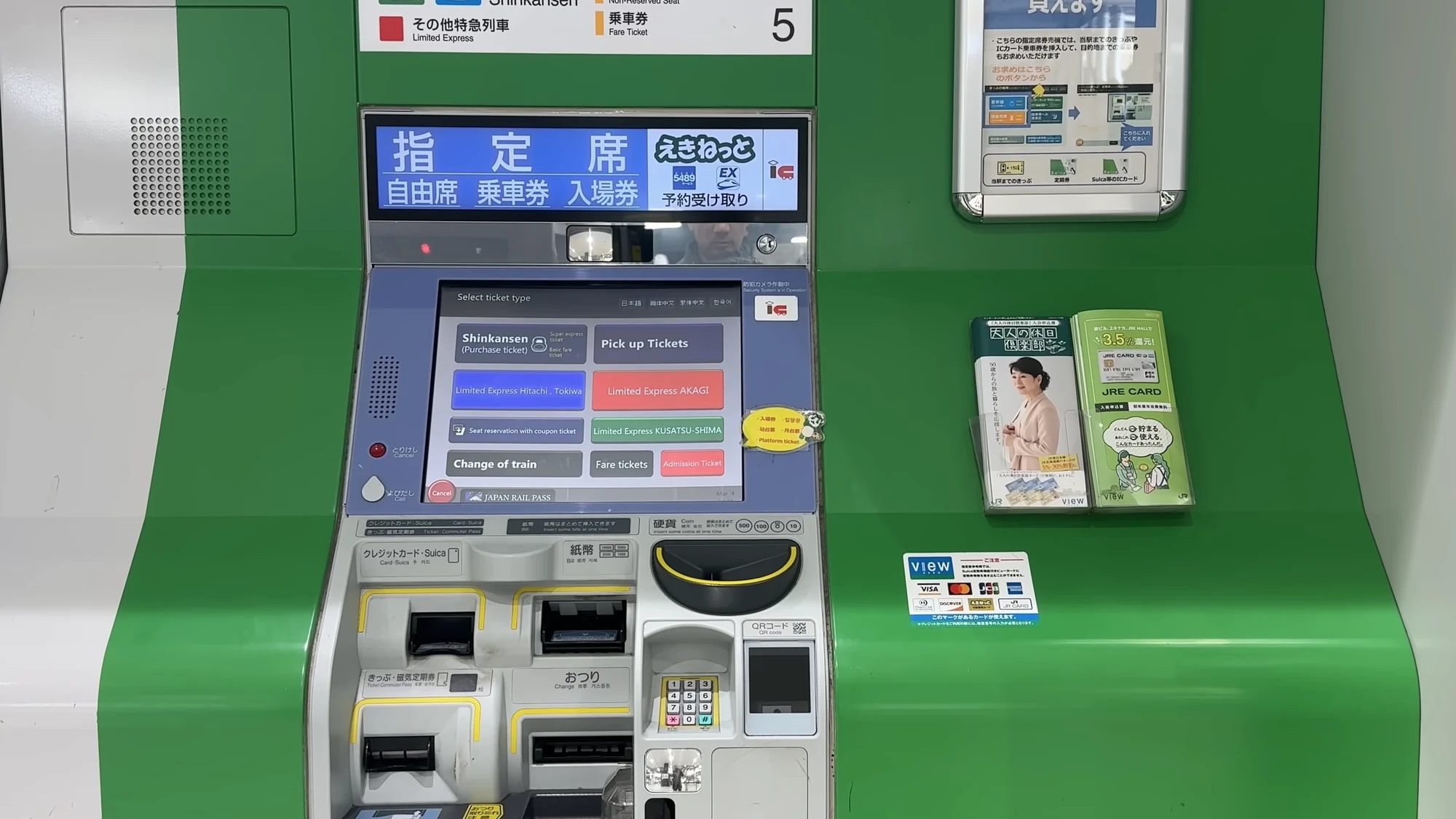
The machines switch to English, which covers the one transaction most visitors worry about.
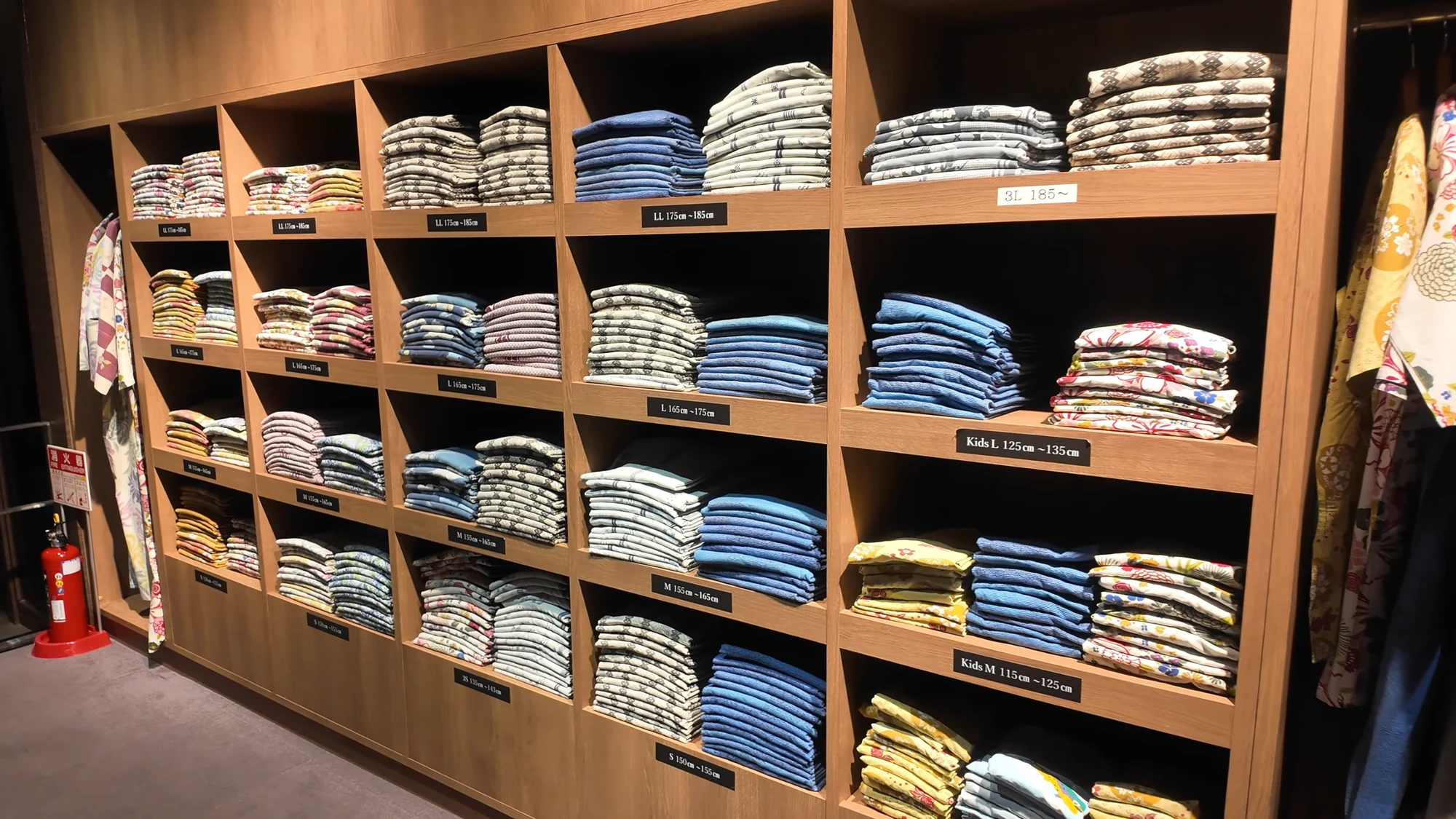
The ryokan is unusually language-proof: shoes, yukata, dinner and bath are all demonstrated, not explained.
Send needs in writing, at booking — not at check-in. Dietary restrictions especially: kaiseki menus are set days ahead. One clear sentence ("no shellfish — allergy" / "vegetarian — no fish, no dashi") outperforms any conversation at the door. Be aware that true vegetarian/vegan kaiseki needs an inn that explicitly offers it — dashi is everywhere — so ask, don't assume.
State arrival time. Ryokan run on rhythm; "arrive ~16:00" in the booking notes prevents the one genuinely awkward scenario, a missed dinner service.
Screenshot your booking in Japanese if the platform shows it — taxi drivers and station staff read it instantly.
At the inn, let the staff drive. The protocol reveals itself. When in doubt: shoes off where the floor rises, left panel over right on the yukata, and dinner at the hour they name.
One addition for current bookings: state tattoo status if it applies to you — one written line at booking (see the phrase kit below) settles the only policy question Kinosaki leaves to individual inns, since the seven public baths are already covered by town policy. And keep every request to one clause per line — translation, human or machine, degrades with subordinate clauses, and the kitchen needs the allergy, not the anecdote. Numbers survive translation best of all, which is why arrival times and party sizes travel as digits and dates rather than sentences.
Where paying more genuinely buys English
If fluent English support is a requirement rather than a comfort — medical conditions, complex diets, multigenerational logistics — the honest advice is that it lives at the top of the market: luxury ryokan and ryokan-hotel hybrids staff for it. In Kinosaki, the flagship tier (see our luxury guide) is the likeliest home of confident reception English ⚠️, and the town's booking support covers the gap below that tier. What we'd counsel against is paying the luxury premium *only* for language: mid-range inns in international towns deliver ninety percent of the communication outcome at half the rate. The corollary cuts the other way too, and it is worth a paragraph because it saves real money: in Kinosaki specifically, the language premium is close to zero. The experience's core — the bath circuit — is municipally signed and wordless; the town's own channels bridge the booking; and the mid-range inns host international guests nightly. A traveller who would pay ¥20,000 (about US$130) extra elsewhere for an English-fluent front desk can spend it here on the room or the crab instead — a budget reallocation you will remember far longer than one fluent check-in conversation could ever justify. The honest exception stands: genuinely complex needs — medical, mobility, multigenerational logistics — still justify the top tier's staffing, in any town.
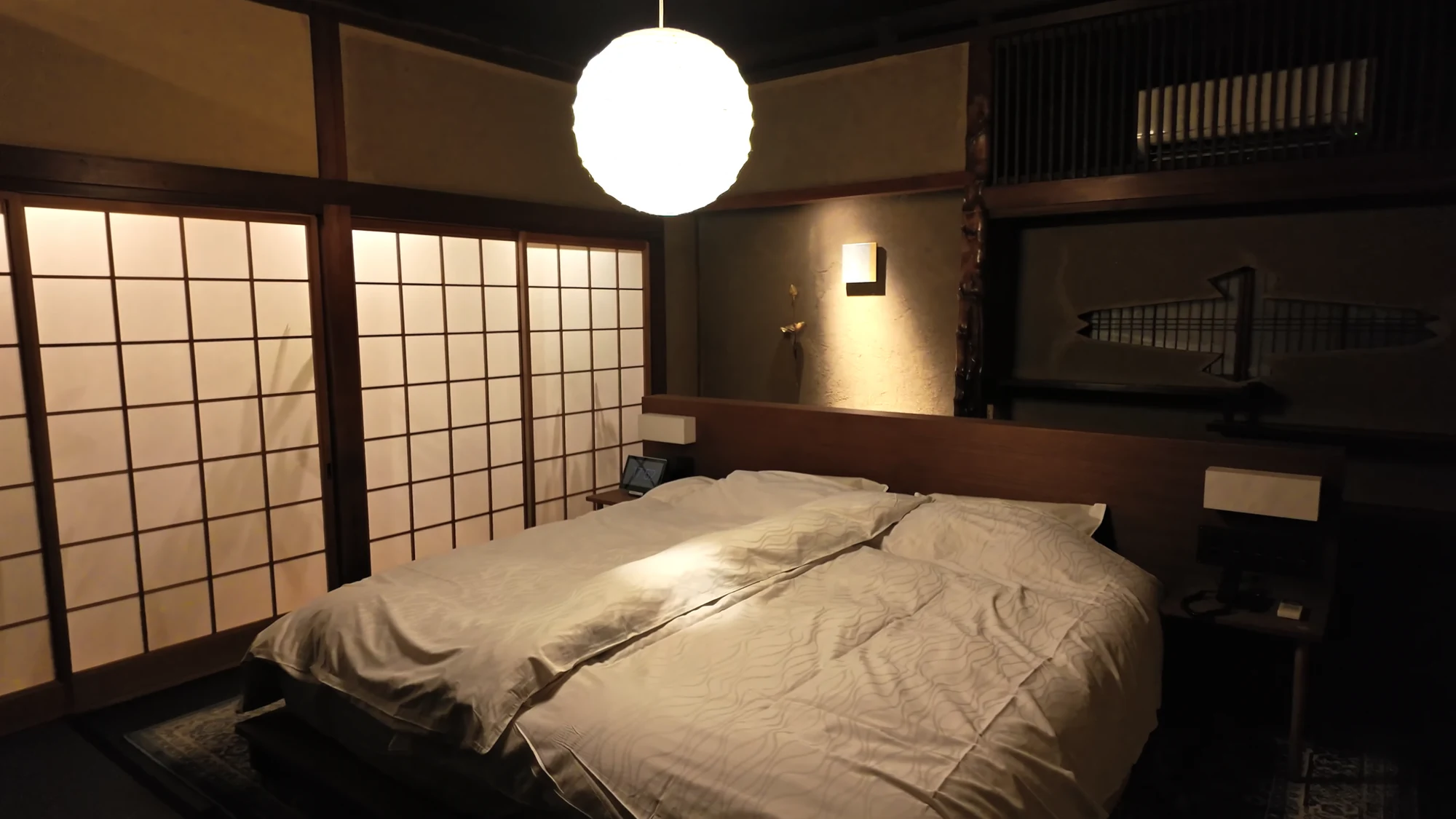
Paying more genuinely buys English at the larger houses, which staff a front desk around the clock.
The honest verdict
"English-speaking ryokan" is the wrong unit of search. Language support lives in towns more than inns, the ryokan format barely requires conversation, and the two or three sentences that genuinely matter — diet, arrival time, mobility — work better written into a booking than spoken at any front desk. Choose an internationally practiced town, send your needs in writing, and spend the anxiety on choosing your dinner plan instead. If that town is Kinosaki, you've picked the one that made welcoming you its municipal strategy. The deepest reassurance is structural rather than linguistic, and it is Kinosaki's ordinance showing up one more time: because the town's law keeps the main event public and municipal, the experience was engineered to be self-service — pass, signage, demonstration — in a way no individual inn's English program could ever match. You are not depending on finding the one anglophone innkeeper; you are using a system a whole town built and maintains. If one sentence of this page survives into your planning, make it this: write the three sentences, pick the practiced town, and stop treating language as the trip's risk — in Kinosaki, the town assumed the risk for you, by design, a century ago — and it has been onboarding first-timers in every language, successfully, every single night since. You will not be the surprise; you will be Tuesday.
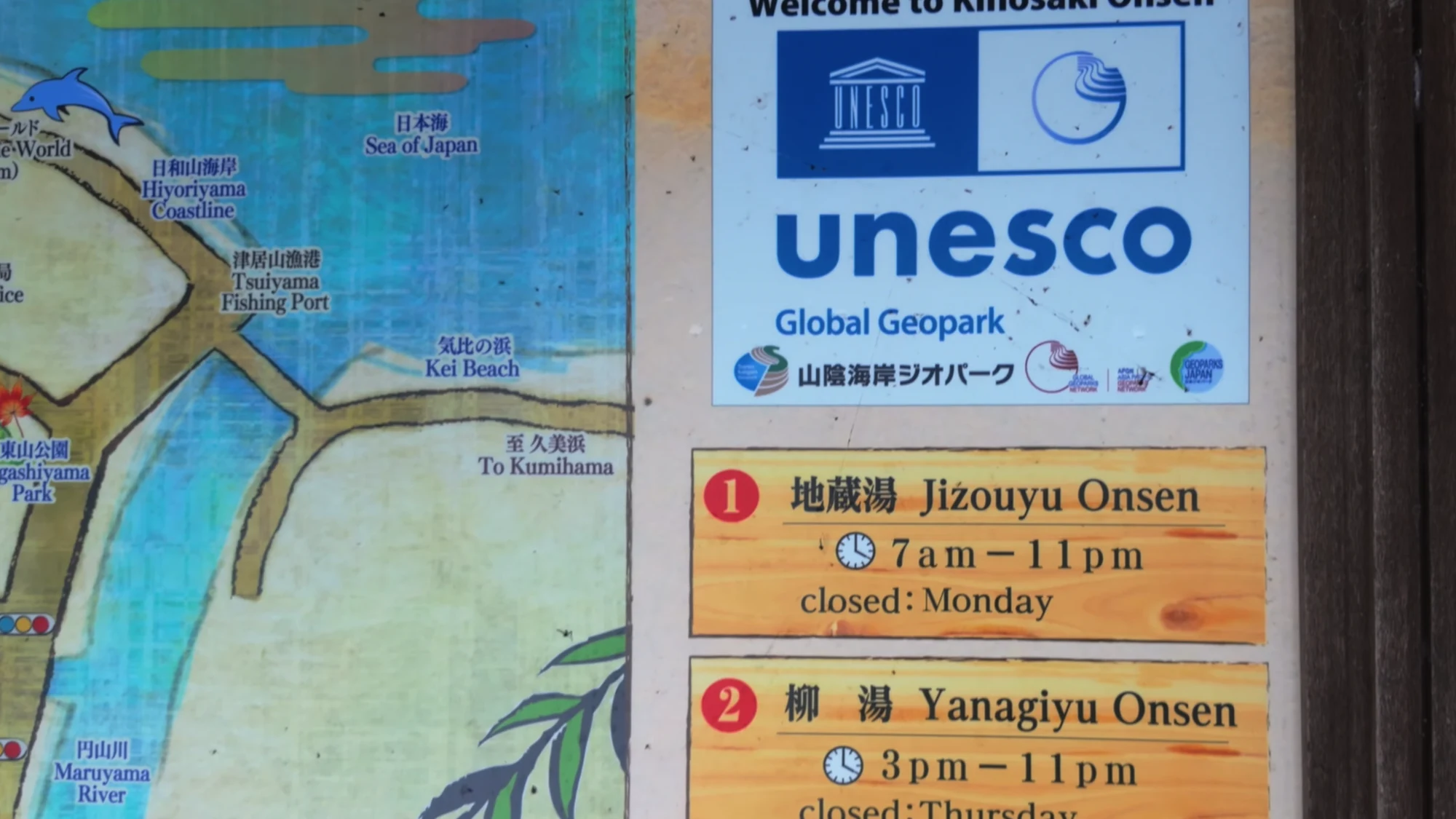
Kinosaki runs English information and booking support town-wide. ⚠️ verify current scope
The phrase kit: seven lines that run the whole trip
Written Japanese beats spoken English at every desk in rural Japan, so here is the entire trip in seven copy-paste lines — send them in booking messages or show them on your phone. Dinner time: 夕食は18時でお願いします (Yūshoku wa 18-ji de onegai shimasu — "Dinner at 6:00, please"). Dietary: 貝アレルギーがあります (Kai arerugī ga arimasu — "I have a shellfish allergy"); ベジタリアンです。出汁も不可です (Bejitarian desu. Dashi mo fuka desu — "I am vegetarian; no fish stock either"). Arrival: 15時ごろ到着します (15-ji goro tōchaku shimasu — "Arriving around 3 pm"). Tattoos: タトゥーがありますが、お風呂を利用できますか (Tatū ga arimasu ga, o-furo o riyō dekimasu ka — "I have tattoos; may I use the bath?"). Luggage: 荷物を預かってもらえますか (Nimotsu o azukatte moraemasu ka — "Could you hold my luggage?"). Taxi: タクシーを呼んでもらえますか (Takushī o yonde moraemasu ka — "Could you call a taxi?"). Notice what is NOT on the list: anything about the bathing itself. The sotoyu circuit — the reason you came — requires no sentence at all: show the pass, point at the towel counter if you forgot yours, and copy the person ahead of you at the wash station. The town's core experience is the one part of Japan travel with a zero-language floor, which is the quiet genius of a bathing culture built on demonstration. Two usage notes complete the kit. Send the dinner, dietary and arrival lines at BOOKING — kitchens plan days out, and the message field of any major platform delivers them fine. And keep answers simple at the desk: はい (hai, yes), 大丈夫です (daijōbu desu, "that's fine"), and a smile cover ninety percent of ryokan dialogue in either direction. The staff are not grading your Japanese any more than you are grading their English; both sides are just moving a pleasant evening forward.
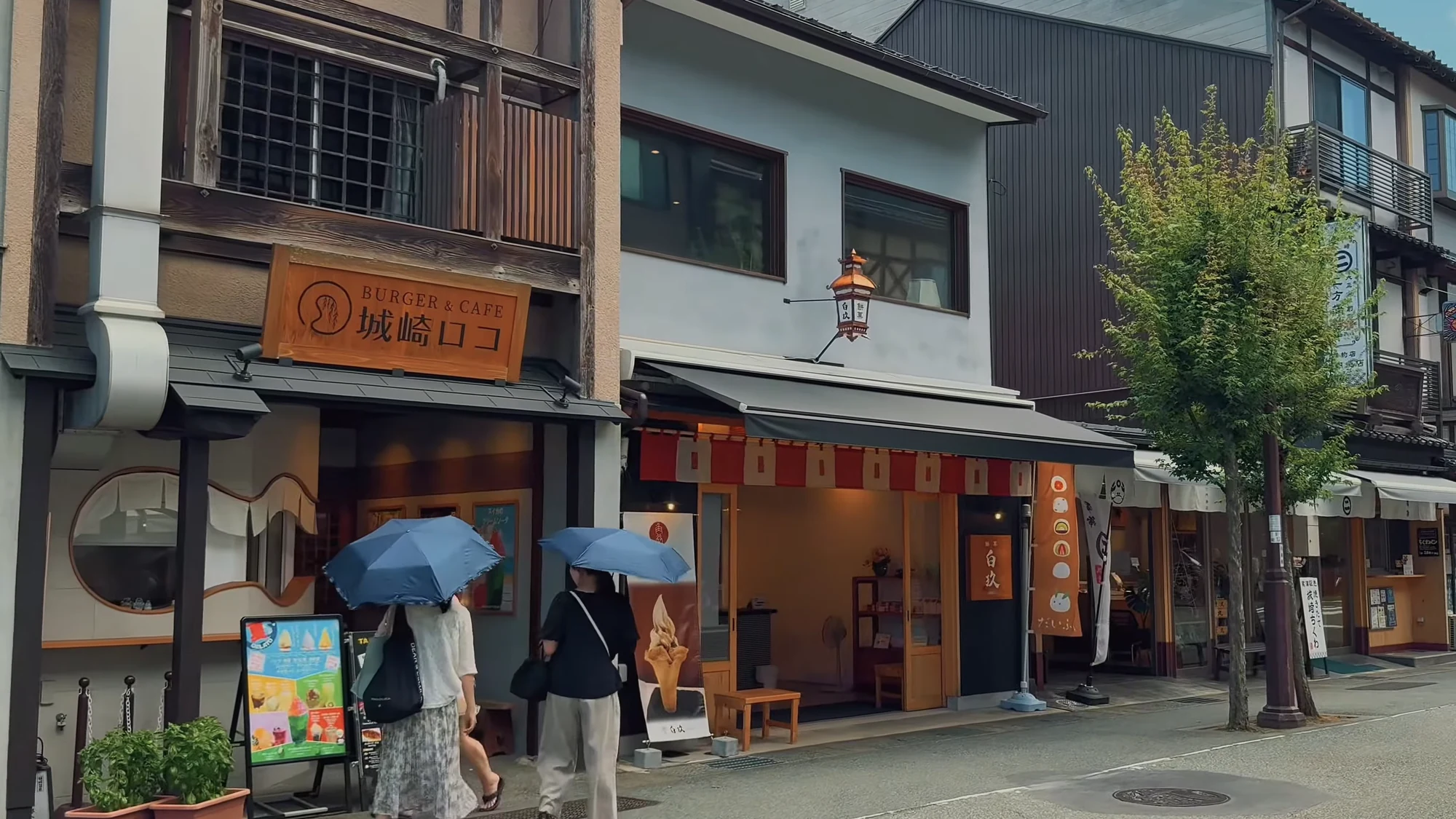
Seven phrases run the whole trip, and the town has heard all of them before.
Frequently asked questions
Do ryokan staff speak English?
How do I communicate dietary restrictions at a ryokan?
Is Kinosaki Onsen easy without Japanese?
Do I need to speak Japanese to stay at a ryokan at all?
Will booking sites tell me if an inn speaks English?

Verified by The Japan Onsen Society
Drafted July 2, 2026; depth pass and the town-structure claims verified September 22, 2026. Primary Japanese sources:
外湯めぐり発祥の地!温泉天国★城崎温泉 — 豊岡市観光公式サイト (Toyooka City Official Tourism Site — the sotoyu system behind the "self-service town" argument): [https://toyooka-tourism.com/recommend/onsen/kinosaki_sotoyu/](https://toyooka-tourism.com/recommend/onsen/kinosaki_sotoyu/)
外湯 — 城崎温泉観光協会 (Kinosaki Onsen Tourism Association — the bath circuit's mechanics; the association's own bilingual visitor posts): [https://kinosaki-spa.gr.jp/about/spa/](https://kinosaki-spa.gr.jp/about/spa/)
Ryokan-tier generalisations are category-level editorial judgement; town-service scope claims carry pending the visitkinosaki channel check itemised in VERIFY.