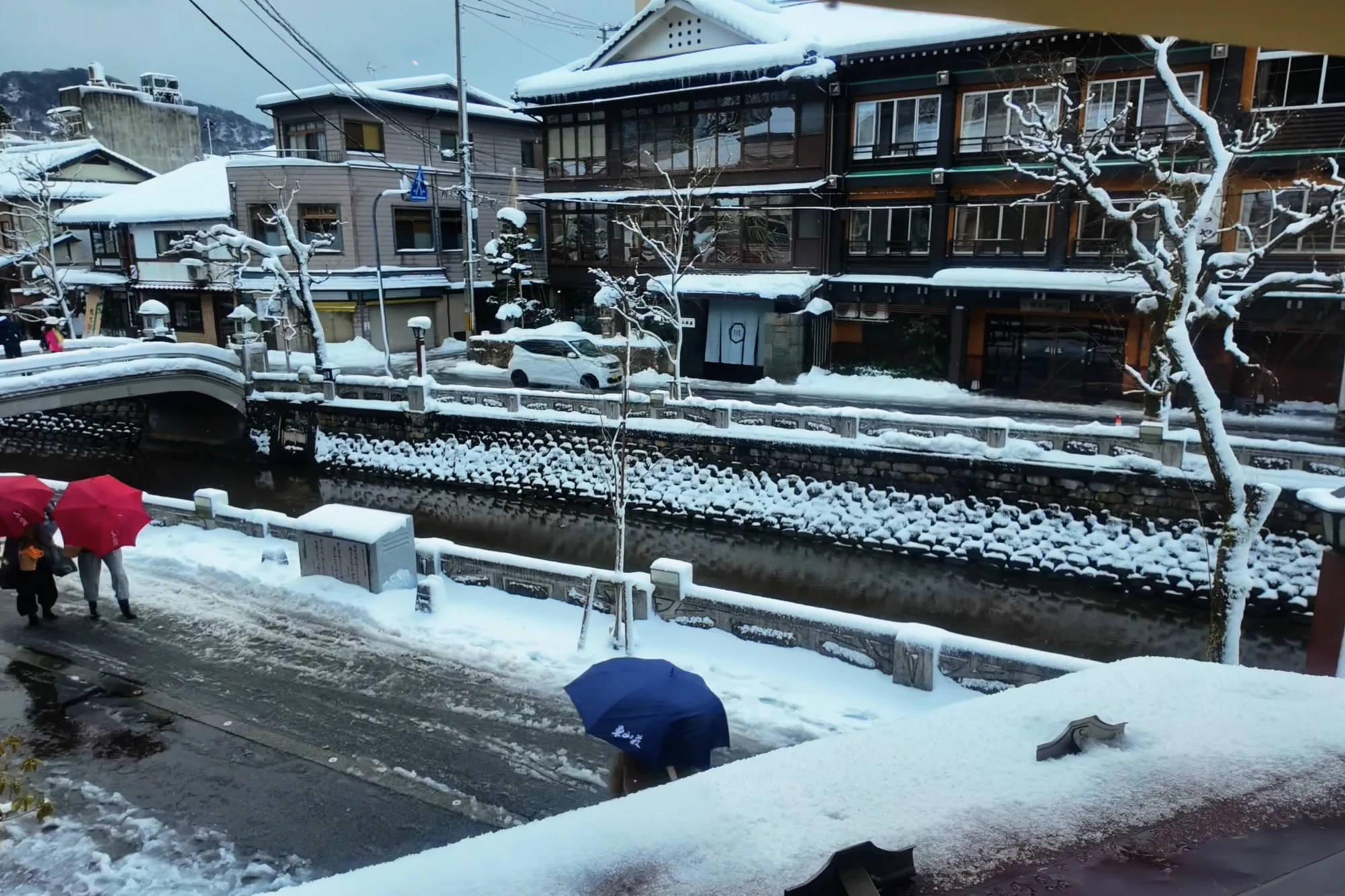
A hot-spring town earns its keep in the cold. Kinosaki in winter is the version of itself the ryokan posters sell: steam thickening over the canal, yukata sleeves clutched against the wind between bathhouses, crab at dinner, and, on the right nights, snow rounding the stone bridges into soft gray arcs. This page covers what the season actually delivers, including the parts the posters leave out. The season's structure explains its pull: winter Kinosaki is two products stapled together at one date. November 6 opens the crab, and the same weather system that fills the crab delivers the cold that makes hot water a destination — so the town's culinary peak and its bathing peak arrive on the same fronts and are sold in the same booking. The headline habit to unlearn is treating winter as a risk to plan around; in this town it is the product to plan toward, and every practical note below serves that inversion. A note on what this page is not: it is not the month-by-month guide (best-time carries that) nor the crab file (crab-season carries the menus and tags). This is the operating manual for being here between November and March — body, wardrobe, trains and expectations — written for the traveller deciding whether the season's premium is worth paying, and for the one who already booked it and wants it used well.
Realistic snow odds
Honesty first on the headline question. Kinosaki sits on the Sea of Japan coast, in snow country's front row but not its deep interior. Snow can fall any time from mid-December through March, with January and February the reliable peak, and the pattern is episodic: a cold front arrives, the town whitens for a day or three, then rain or sun takes it back. Some winters bring repeated deep falls, and record events have buried the town; other winters pass with a few dustings. ⚠️ Plan on cold with a good chance of snow scenes in January–February, not on a guaranteed snow globe. Travelers whose entire purpose is photographing snow on the canal should build in flexible dates and watch the forecast a few days out. Temperatures are workable rather than brutal. Daily averages run roughly 6 °C (43 °F) in December and 3 °C (37 °F) through January and February, with nights at or below freezing. ⚠️ The wind off the sea bites harder than the thermometer suggests, which matters because this is a town you experience outdoors, in cotton. The photographic corollary: because falls are episodic, the snow photograph is a 48-hour game — fronts announce themselves a few days out, the town whitens within hours, and the melt begins almost as fast. Flexible-date travellers watching a forecast from Tuesday can be on a snowy bridge by Thursday evening; fixed-date travellers should treat any snow as a bonus scene rather than the trip's premise. Either way the cold — the part the baths actually need — is dependable all season.
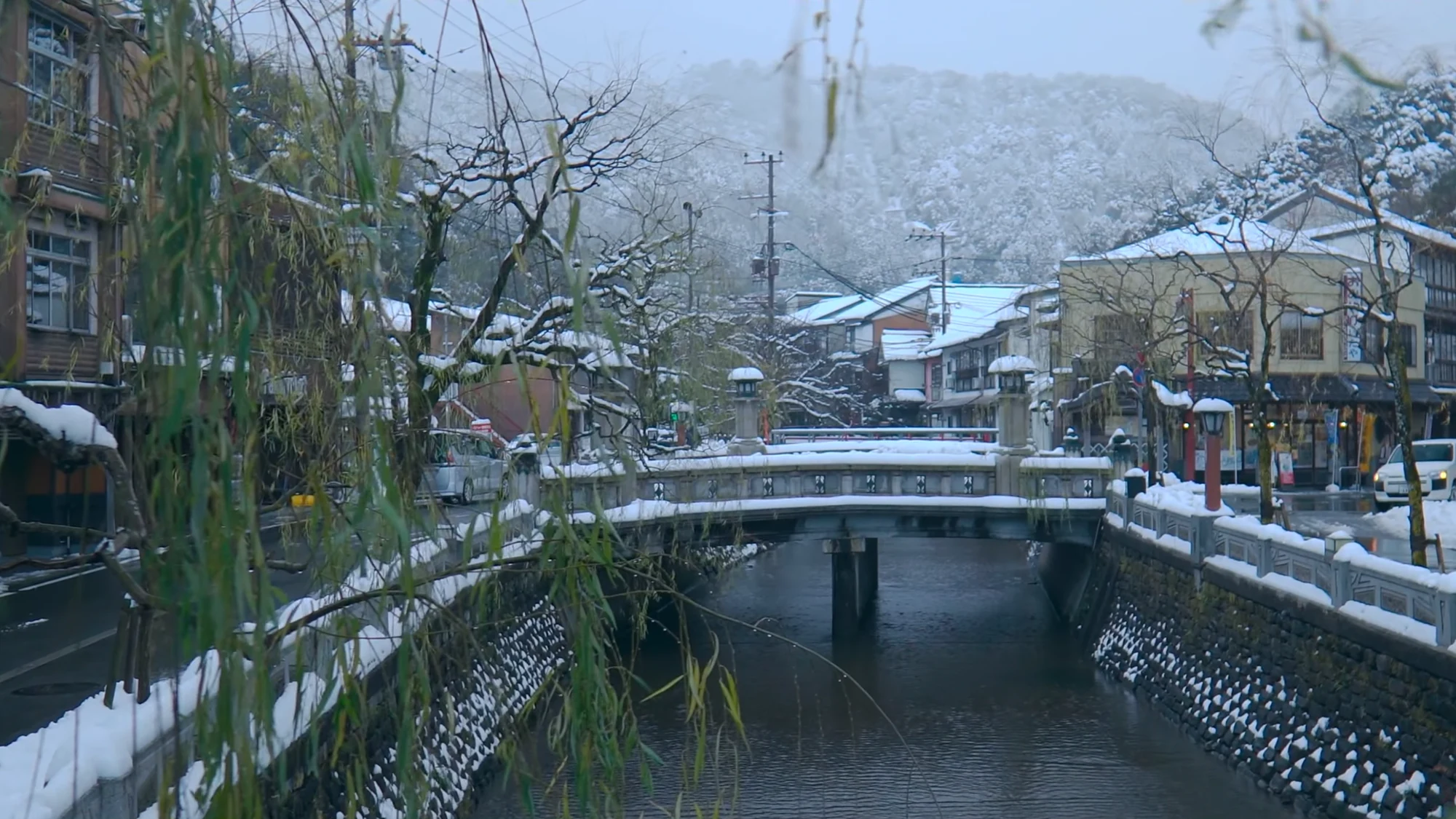
Sea-level snow is the exception on this coast, not the rule. Plan for cold and treat snow as a bonus. ⚠️
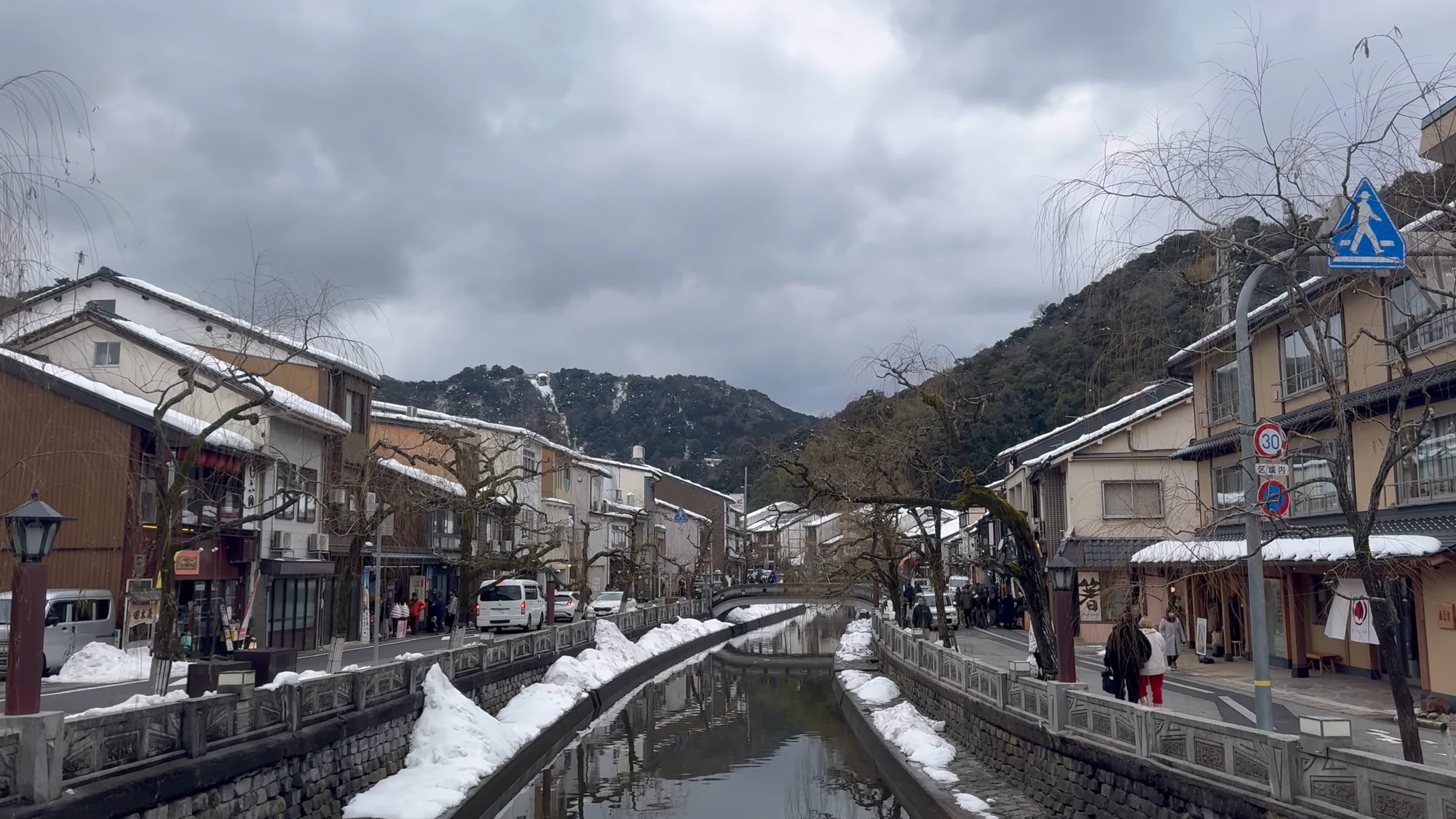
When a front does settle, it settles quickly — the canal walls hold the snow for a day or two.
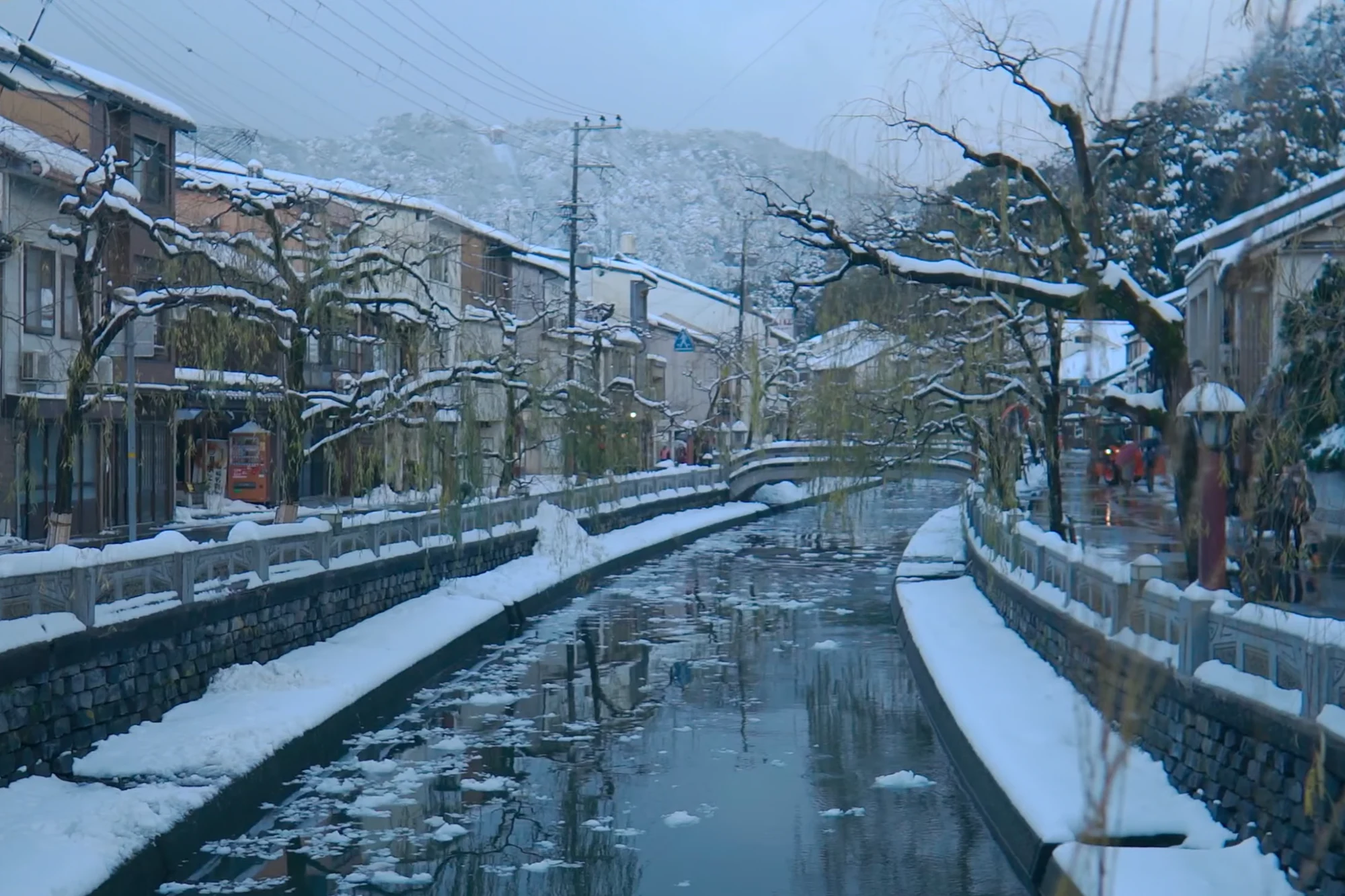
A snowy canal photograph is a jackpot, not a certainty. The cold, which the baths need, is reliable.
Bathing when it's cold: the whole point
The sotoyu circuit improves as the weather worsens. Walking canal-side through falling snow in a yukata and padded tanzen coat, then sliding into hot water while your ears stay cold, is the experience the entire onsen tradition was engineered to produce. A few practical notes make it work:
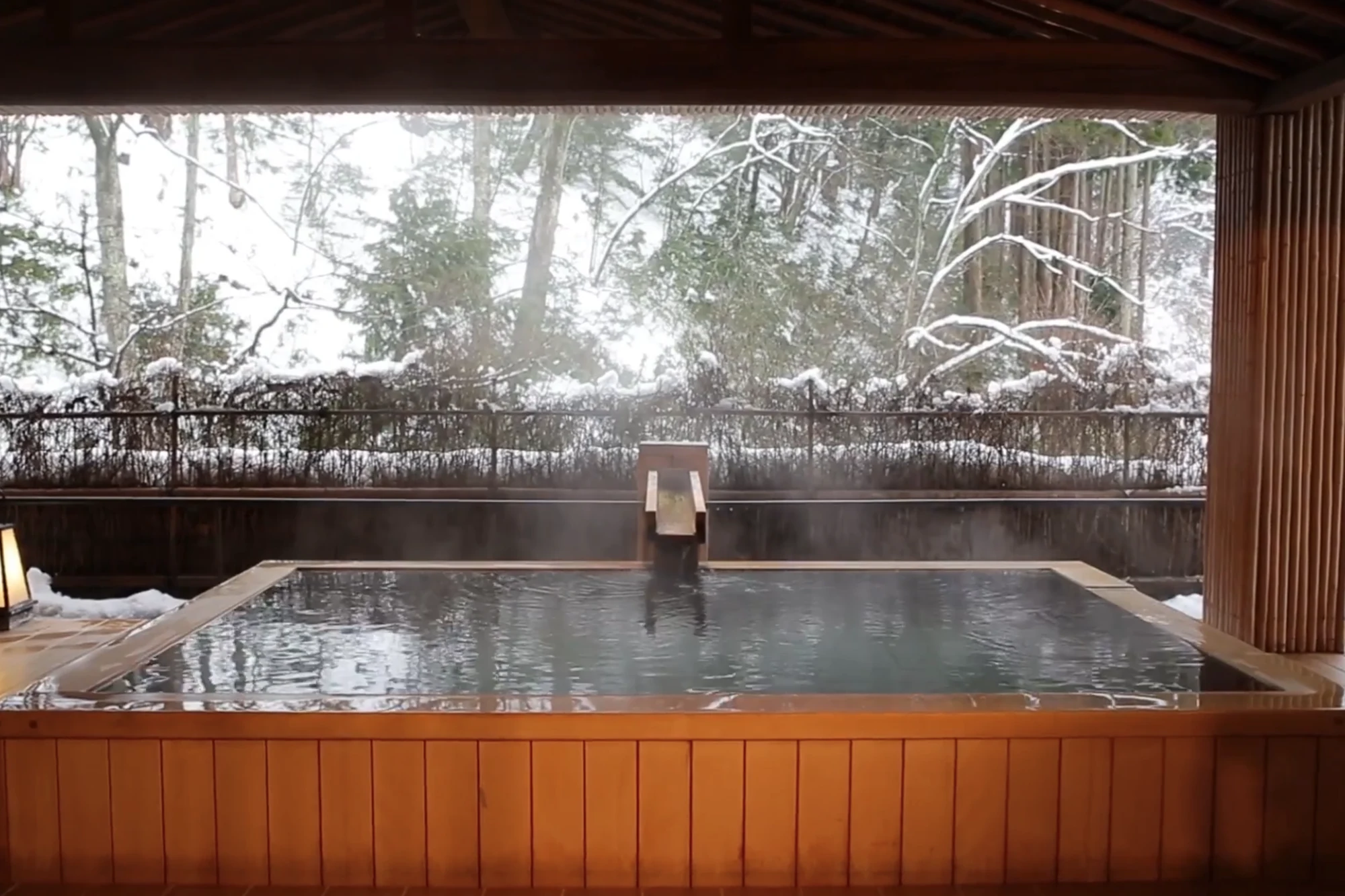
Cold is what drives people into the water, and what makes the steam thick enough to photograph.
Layer invisibly. A thin thermal top and leggings under the yukata are standard winter practice, with the inn's tanzen over everything and socks inside the geta. The details are in our yukata guides.
Favor the outdoor baths. Several of the seven bathhouses keep rotenburo, open-air baths, where the snow-on-hot-water effect happens ⚠️ (confirm which sotoyu currently run outdoor baths before naming them). Save one for an evening when the weather performs.
Mind the stones. Wet or icy paving and wooden geta negotiate poorly. Take short steps, use the handrails on bridges, and switch to your own shoes without embarrassment if conditions demand; the town has seen it.
Pace the circuit. Cold air plus repeated hot soaks is dehydrating and tiring. Two or three baths an evening with water breaks beats seven heroic entries. Traditional bathing culture frames hot-spring use through tekiōshō and kinkishō, conditions the waters are taken for and cautions against; travelers with heart conditions or who are pregnant should be conservative with long, hot soaks. This is tradition, not medical advice. The between-bath chill is also load-bearing: the contrast is the experience, and veterans learn to walk the between-bath stretches slowly, on purpose, letting the cold reset the skin for the next tub.
Crab season, the other pillar
Winter dates and crab dates are the same dates. Matsuba crab runs November 6 to March 20, dominates every inn's winter menu, and is the single largest reason rooms sell out; the full economics, the tag system, and booking strategy get their own page. The short version for planning: attach the crab plan when you book the room, expect December weekends to go first, and consider late-January and February weeknights, where the best crab condition, the best snow odds, and the best availability happen to coincide. Two details from the crab calendar matter for winter planning specifically. The female sekogani's short window — November 6 to December 31 — makes early winter the season's connoisseur slice for roe-lovers, and the season's public close gives late winter a finale: free crab zōsui and barrel sake at the station over the final weekend (March 20–22 in 2026), the town formally shutting its winter at the correct price of zero. ⚠️ Verify both against current-year notices. The pairing's logistics reward one habit above all: decide crab FIRST, room second. In winter the dinner plan determines the price tier, the booking lead and often the house itself, so travellers who choose "crab or not" before browsing rooms search half the inventory with twice the clarity — and those who skip the crab deliberately (it is allowed) unlock the season's quiet bargain: full winter atmosphere at something close to shoulder-season arithmetic.
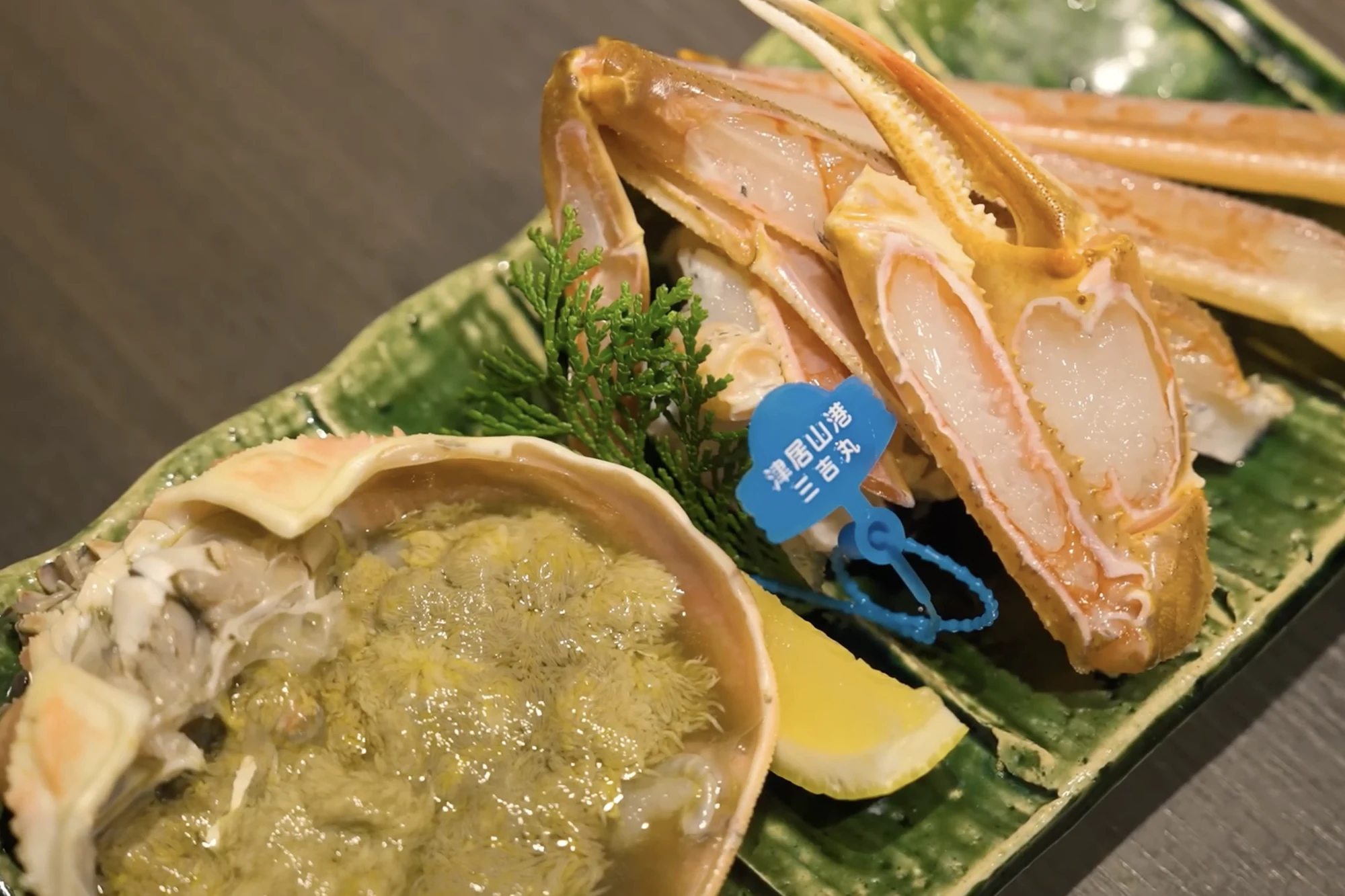
Matsuba crab opens November 6 and runs to about March 20 — the dates the booking calendar bends around. ⚠️
What else winter changes
The ropeway and the temple. The Kinosaki Ropeway climbs to a viewpoint over town and sea, and the snowy version of that view is worth the detour; Onsen-ji, the town's guardian temple at the mid-station, sits quiet and photogenic under snow. Confirm winter operating patterns before promising times. ⚠️
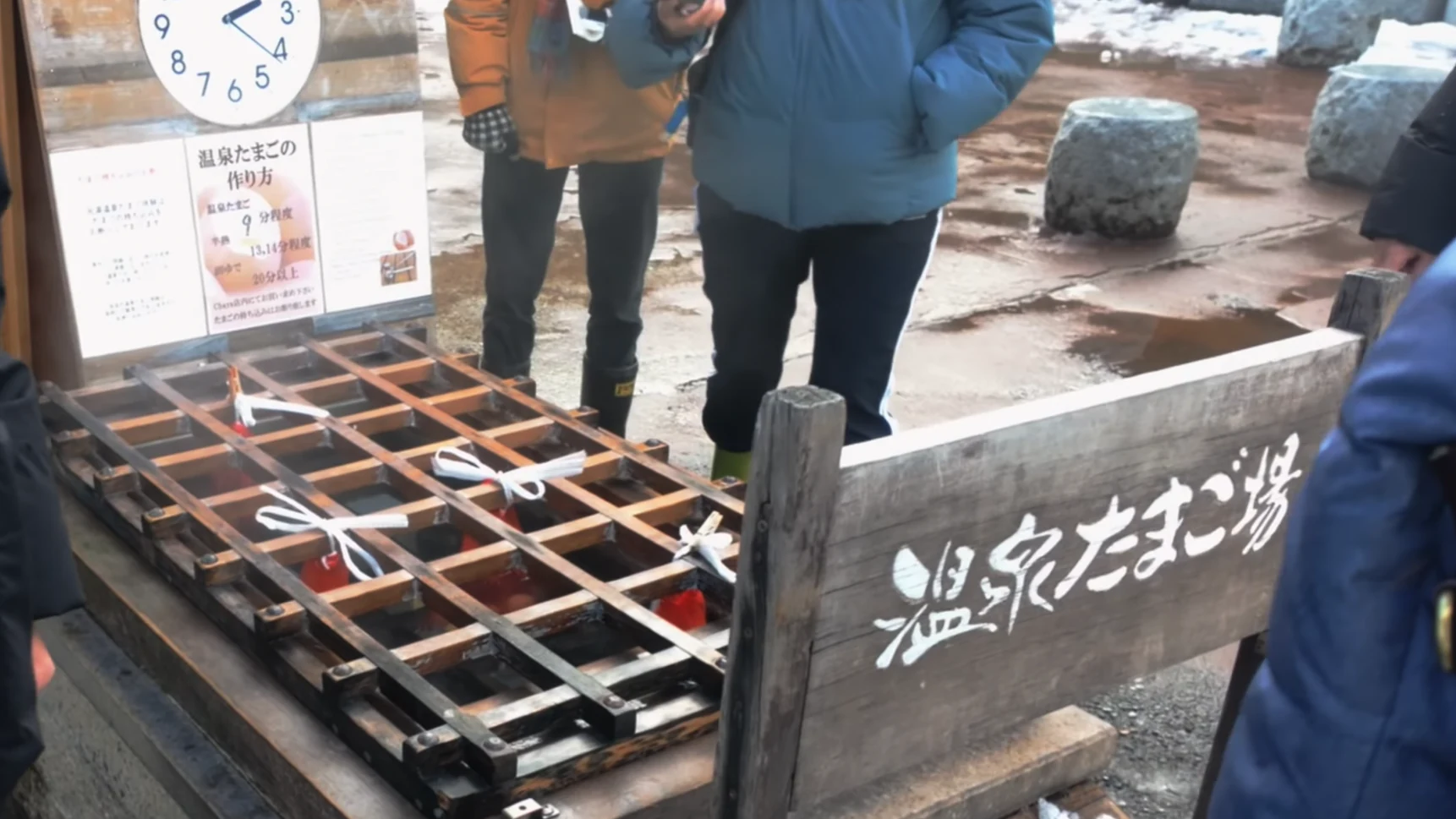
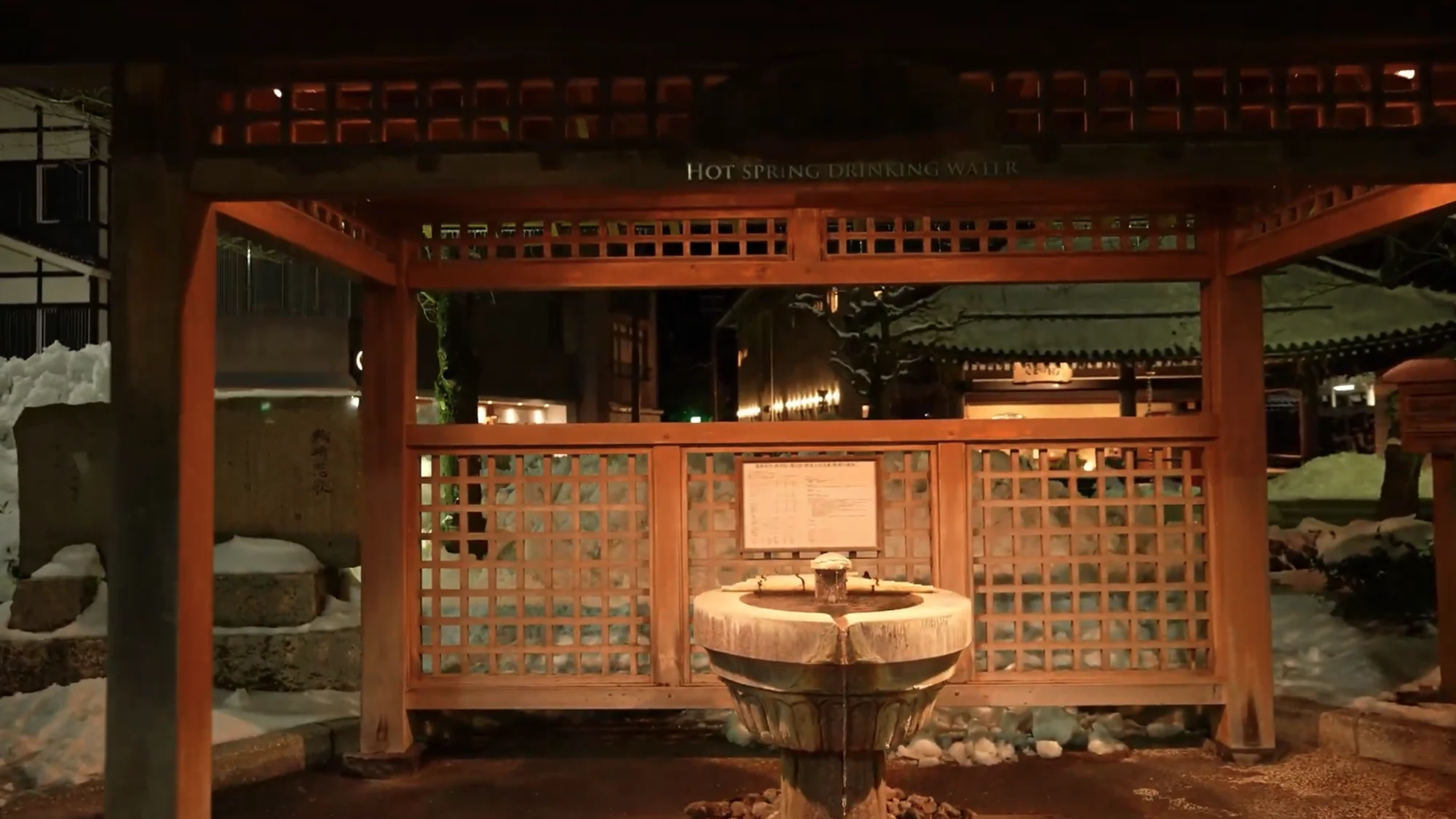
It is the one place in town where the source water is handled rather than bathed in.
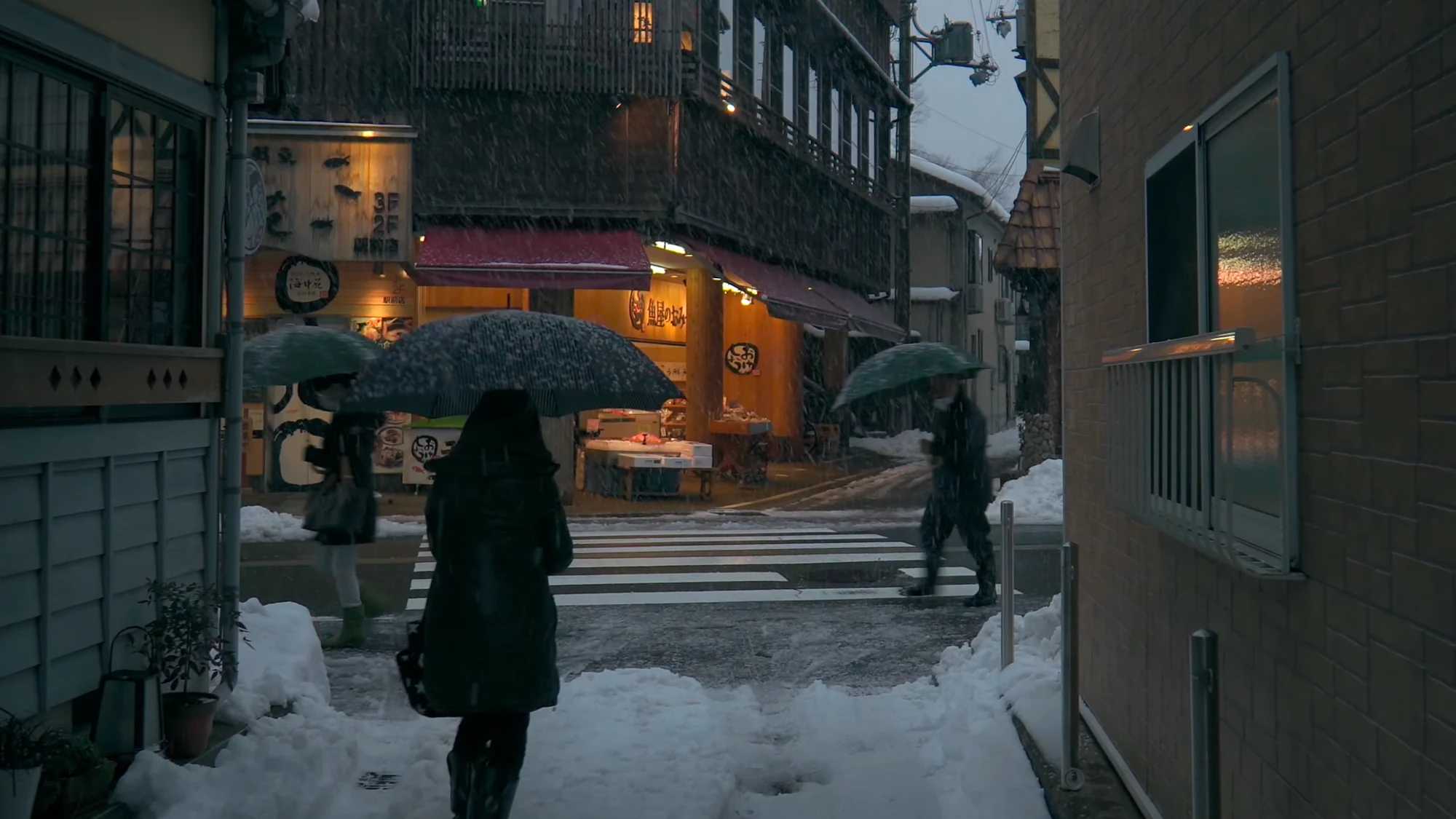
Winter changes the wardrobe and nothing else: the pass, the hours and the circuit run identically.
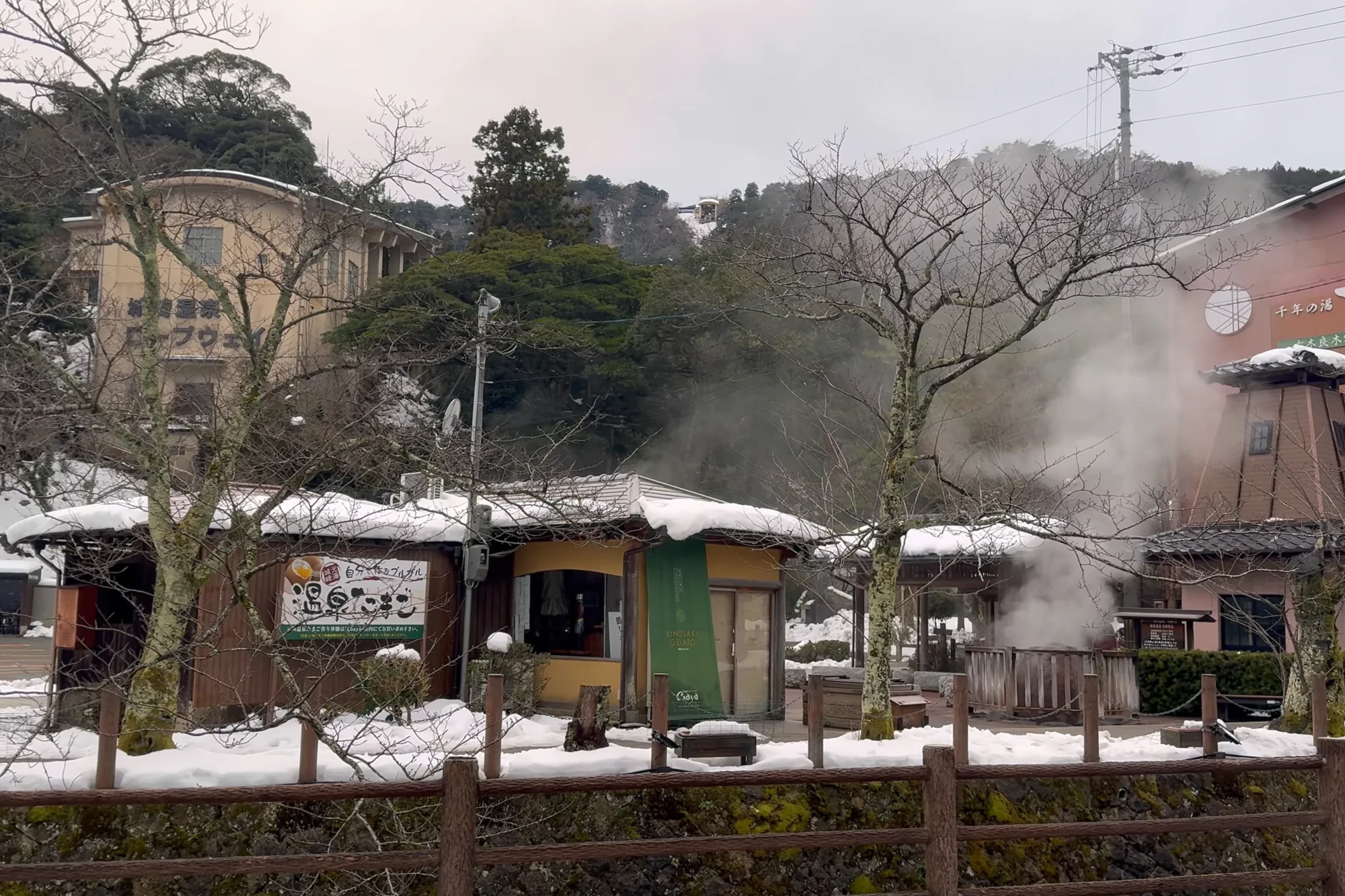
At 81 °C (178 °F) the source throws steam across the road once the air drops below freezing.
Daylight is short. Dusk lands before 5:30 pm in midwinter, which suits Kinosaki; the town's best hours are the lantern-lit ones anyway.
Crowds invert. Midday sees tour traffic; evenings and mornings belong to overnight guests. New Year holidays and crab-season weekends are the year's peak occupancy. ⚠️
Some things rest. Beach-adjacent summer attractions go dormant, and a few businesses shorten hours in deep winter. The bathhouses each keep a weekly closing day year-round. ⚠️ (align with pillar's sotoyu schedule facts)
The literary refuge. The 城崎文芸館 (Kinosaki Bungeikan) literary museum is the town's best warm hour when a front is blowing through — ⚠️ it posted a temporary-closure notice in September 2026; check status before relying on it.
The morning margin grows. Short days move dusk before 17:30 but leave dawn late too — the 7:00 bathhouse opening lands in blue half-light through January, which turns the ordinary morning soak into the season's most atmospheric hour at no extra cost.
The foot bath earns its keep. The free station-front foot bath, a pleasant curiosity in summer, becomes winter's most-used bench: shins in hot water, snow in the air, train in sight — the season's cheapest good idea, available to every arriving and departing traveller.
Getting there in winter, honestly
The train is the answer. The JR limited express from Osaka or Kyoto (about 2.5 hours) runs through winter with occasional weather delays on heavy-snow days; build slack into onward connections rather than booking tight same-day plans. ⚠️ Driving is the option we'd talk most travelers out of: the inland routes cross real snow country, studless winter tires or chains are mandatory equipment in practice, and a rental car spends the stay parked anyway in a town this walkable. If you must drive, check road and chain-regulation status before setting out. ⚠️ Pack for the platform, not the bath: waterproof shoes with tread, gloves, a hat, and a coat you can carry once you're inside a heated inn. The dress code between bathhouses is supplied by the ryokan. Budget the winter train correctly too: about ¥6,140 (about US$41) reserved-seat one way from Osaka — and reserve, because winter weekends fill the expresses with the same people who booked the inns. Luggage logic matters more in the cold season as well: forward bags to the inn or the station counter on arrival so the first walk up the canal is hands-in-pockets rather than wheeling a case over wet stone. And the connection habit that saves winter trips: build an hour of slack into any same-day onward plan — airport runs especially — because the coastal line's weather delays are occasional but real. An hour of slack costs a coffee at Toyooka; a missed connection costs the evening you crossed the country for. ⚠️
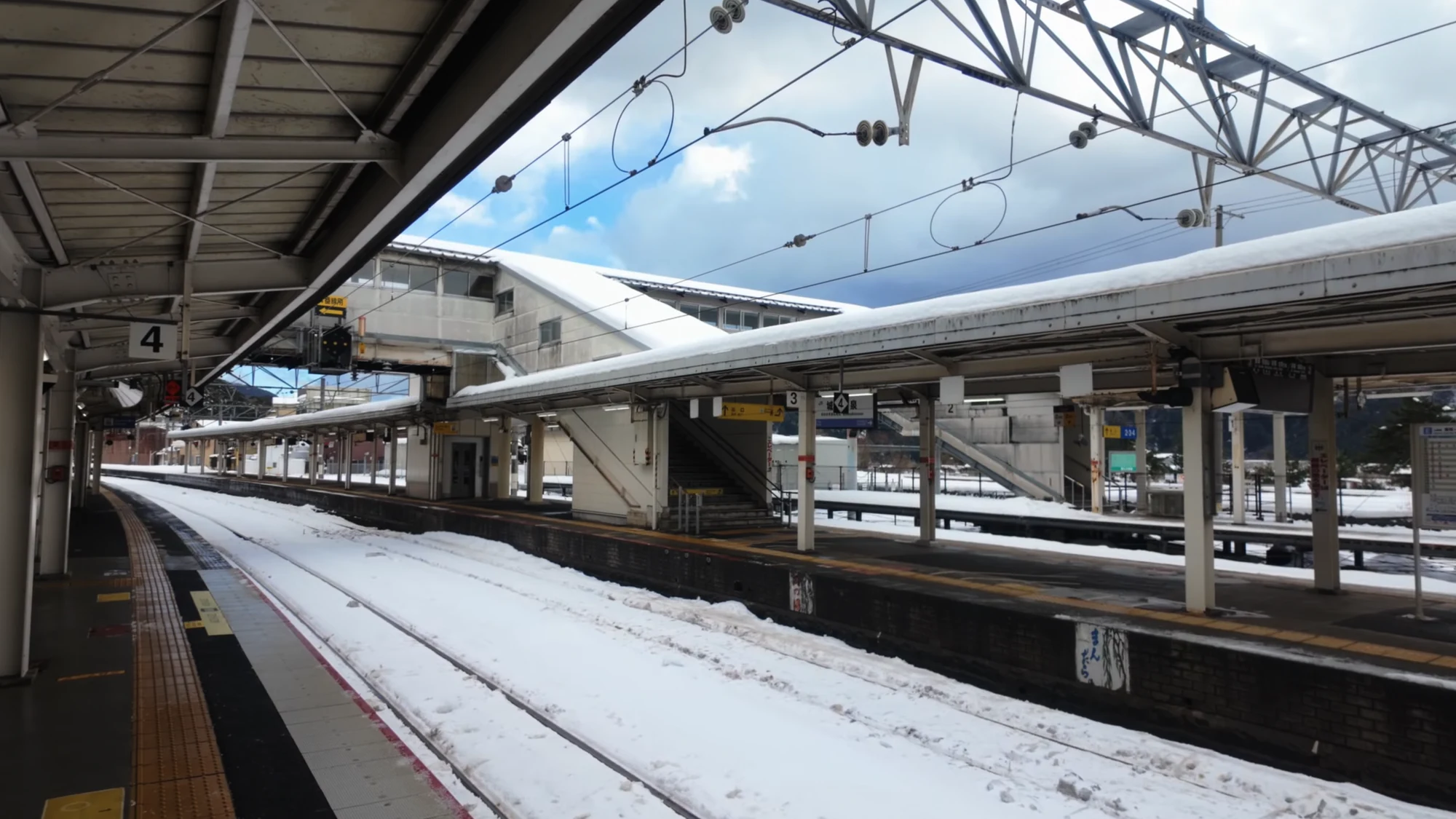
Departure day is easiest before 10am, while the pass is still live and the baths are quiet.
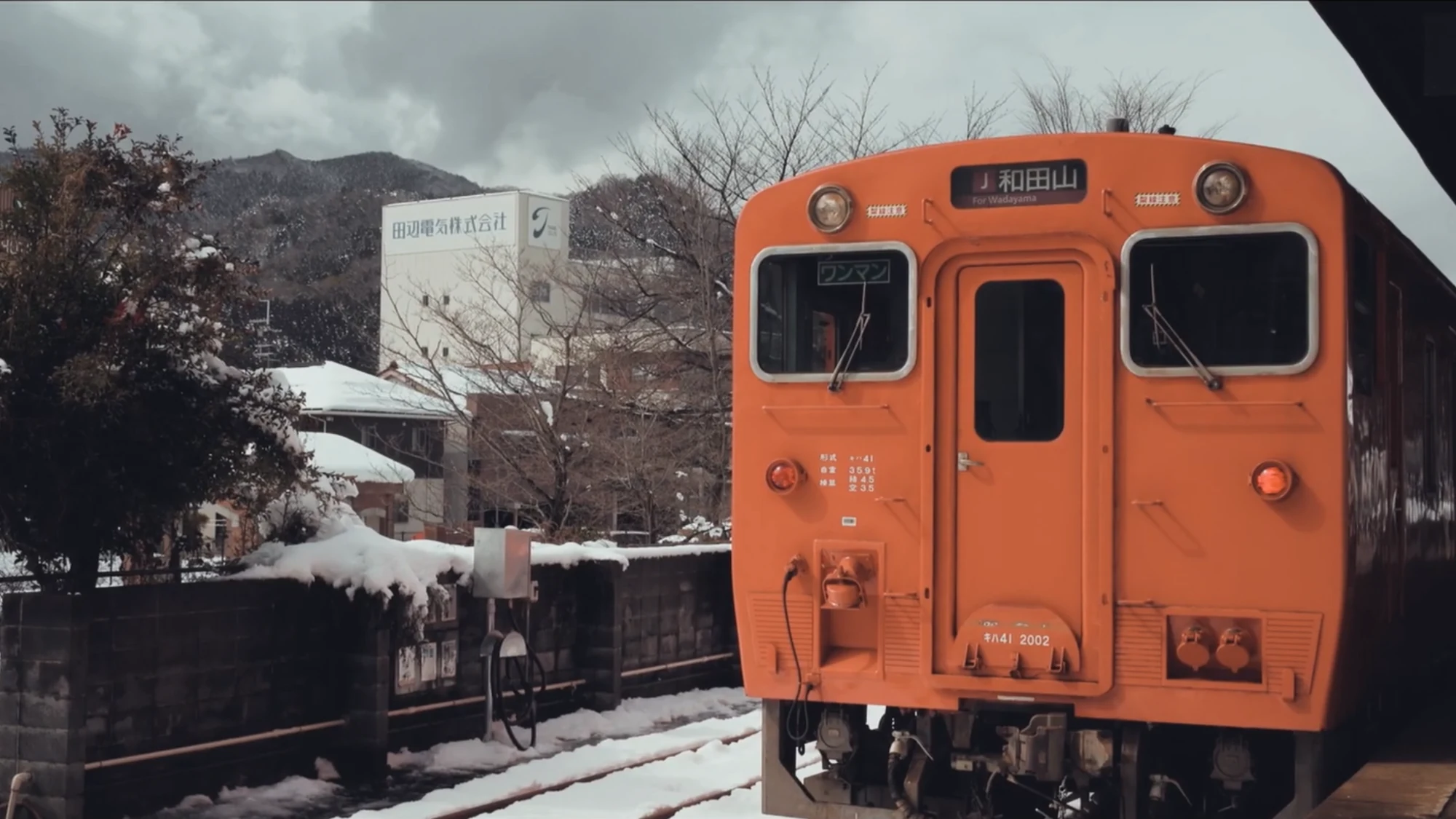
Snow reaches the line most winters. Services are rarely stopped by it, but check on heavy-fall days. ⚠️
The verdict on the season
Winter is the right answer for first-time Kinosaki if dinner matters to you, and the right answer for repeat visitors on the nights snow arrives. It costs more, books earlier, and asks slightly more planning than the green seasons. It repays all three: the town in steam and snow, a crab on the table, and hot water at walking distance in every direction is the complete argument for the place. Shoulder-season travelers should read the month-by-month guide for the spring and autumn cases. And if the dates are yours to choose, aim the trip at the season's quiet masterpiece: a weeknight in deep January, arriving on an afternoon of falling snow. The odds cannot be booked, only improved — flexible dates, forecast watched from three days out — but travellers who hit it describe the same scene in the same order: the lanterns coming on early, the canal going white, the bathhouse steam mixing with snowfall, and the sense of having caught the town in the act of being its own poster. For repeat visitors the season also re-ranks the bathhouses: the cave bath gains drama in the cold, the waterfall rotenburo becomes the marquee, and the little scalding tub at Yanagi-yu — a curiosity in July — becomes, by universal February consensus, exactly the right idea at exactly the right temperature. The season does not change the houses; it re-argues them, which is the politest reason a town ever gave for a second visit.
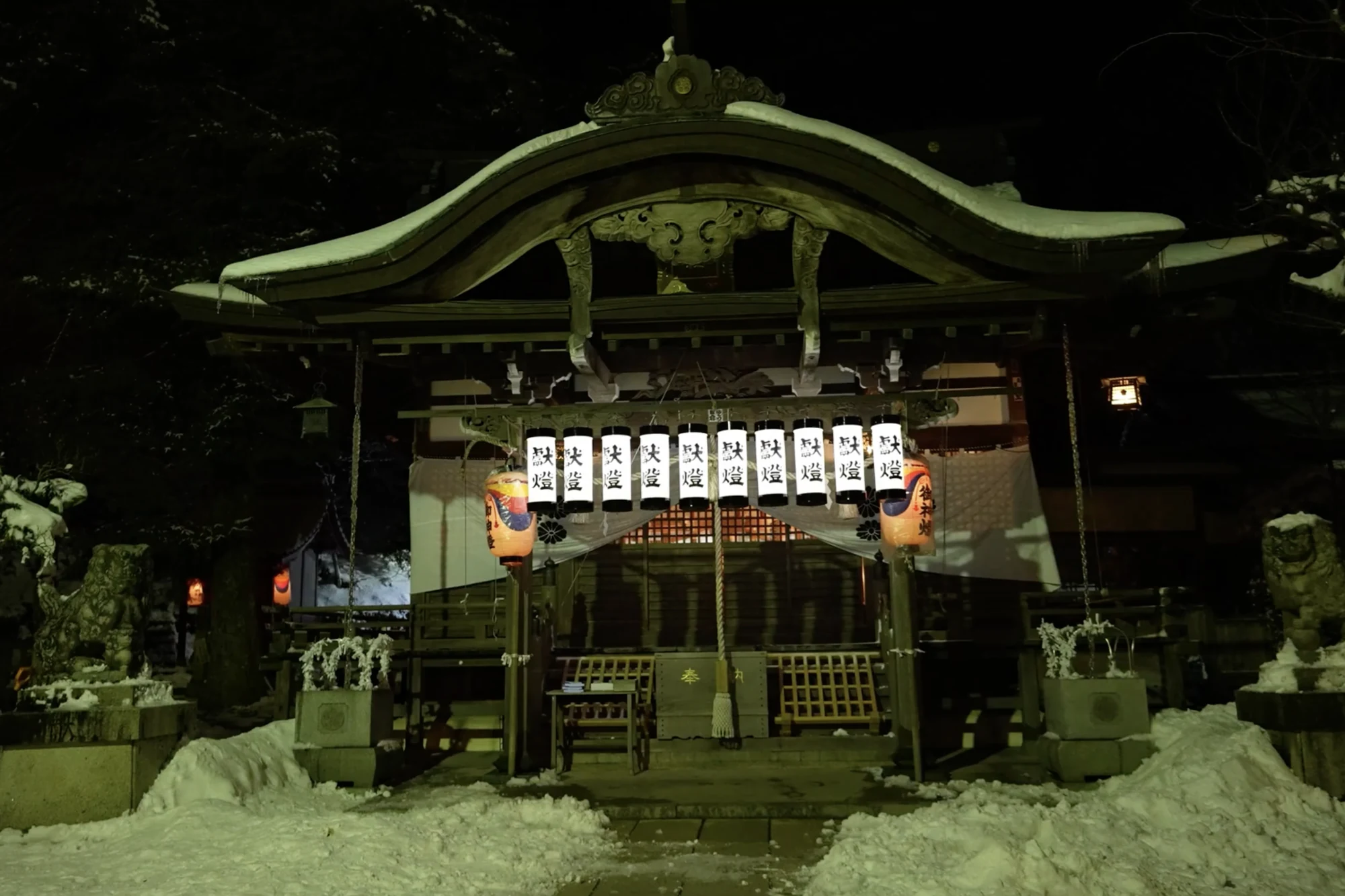
Late January and February weeknights combine peak crab, the best snow odds, and off-peak rooms.
The winter morning: the hour the season is actually for
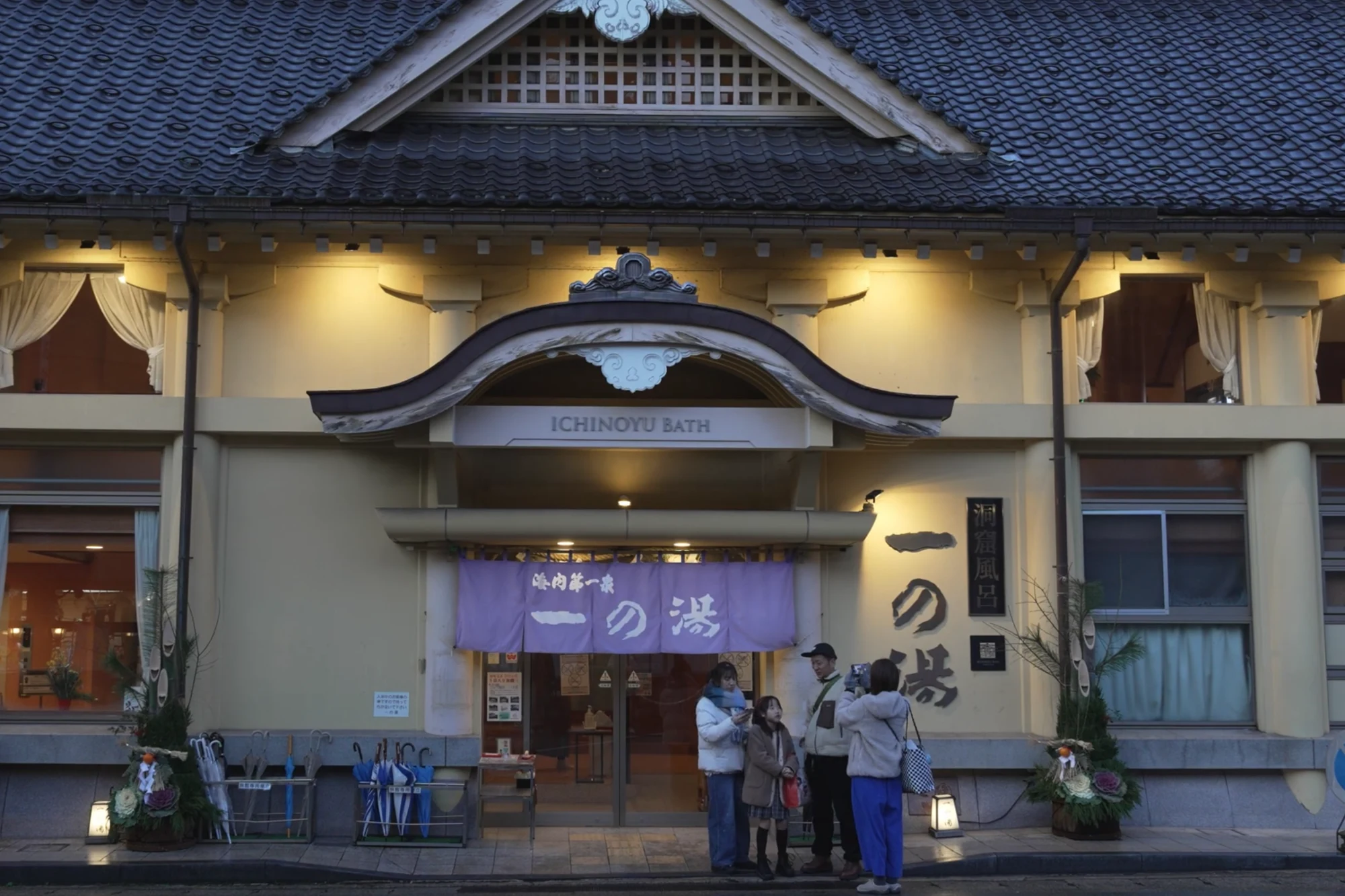
Winter's best hour is not the lantern evening the photographs sell; it is the one almost nobody is awake for. At 7:00 (7 am) in January, three bathhouses open — Ichi-no-yu, Goshono-yu and Jizō-yu — onto streets that are empty, blue-dark and cold enough to make the point. The walk from your inn takes four minutes of genuine winter; the water takes it back with interest; and the return walk, warm from the inside in the first grey light, with steam rising off the canal and the shops still shuttered, is the single strongest argument the season makes for itself. ⚠️ Hours as of September 2026; verify for your dates. The mechanics favour the committed. Overnight guests have the houses nearly alone at opening — day visitors cannot arrive before mid-morning — and the pass covers it all, including a post-checkout soak until 13:00 (1 pm) at most inns, which in winter means a final warm hour banked directly against the journey home. Set the alarm for 6:45 once in a winter stay; most travellers who do it once rebuild the whole next morning around doing it again. The season's inversion completes there: winter Kinosaki serves its evening spectacle to everyone, but it reserves its mornings for the people who slept in town — which is, when you audit the whole season, the version of the bargain this town has always offered. The crab needs a dinner table, the snow needs luck, but the winter morning needs only an alarm clock and a room key, and it is the one winter experience here with a one hundred percent hit rate.
The winter morning is the hour the season is for: three houses open at 7am, and the streets are empty.
Tips
Layer invisibly: thermal top and leggings under the yukata, tanzen over everything, socks inside the geta.
Save one rotenburo for an evening when the weather performs — snow-on-hot-water is the season's payoff.
Two or three baths an evening with water breaks beats seven heroic entries; cold air plus hot soaks dehydrates.
Take the train, not a car — inland routes cross real snow country and the town needs no vehicle.
Pack for the platform: waterproof shoes with tread, gloves, hat; the between-bath wardrobe is supplied.

Verified by The Japan Onsen Society
Show all sources
Drafted July 2, 2026; bath hours, closures, event dates and the guest-pass window verified September 22, 2026. Primary Japanese sources:
外湯 — 城崎温泉観光協会 (Kinosaki Onsen Tourism Association — winter hours, closing days, current closures): [https://kinosaki-spa.gr.jp/about/spa/](https://kinosaki-spa.gr.jp/about/spa/)
外湯めぐり発祥の地!温泉天国★城崎温泉 — 豊岡市観光公式サイト (guest-pass window behind the checkout-soak note): [https://toyooka-tourism.com/recommend/onsen/kinosaki_sotoyu/](https://toyooka-tourism.com/recommend/onsen/kinosaki_sotoyu/)
イベント情報 — 城崎温泉観光協会 (the season-closing event): [https://kinosaki-spa.gr.jp/event/](https://kinosaki-spa.gr.jp/event/)
Related guides
When to Visit
Kinosaki complete guide
Seven public bathhouses, one shared spring, and a law that keeps them the centre of town. Start here.
When to Visit
Best time to visit
Crab from November, snow in January, willows in April. There is no wrong month, only different ones.
When to Visit
Crab season
Matsuba crab season opens on November 6 and runs to March. It is why winter rooms disappear early.
When to Visit
The 7 bathhouses
Same water in all seven houses. What changes is the room, the story, and the blessing on the door.

When to Visit
Under a yukata
Under the yukata, the honest answer is less than you think and more than nothing. Details inside.