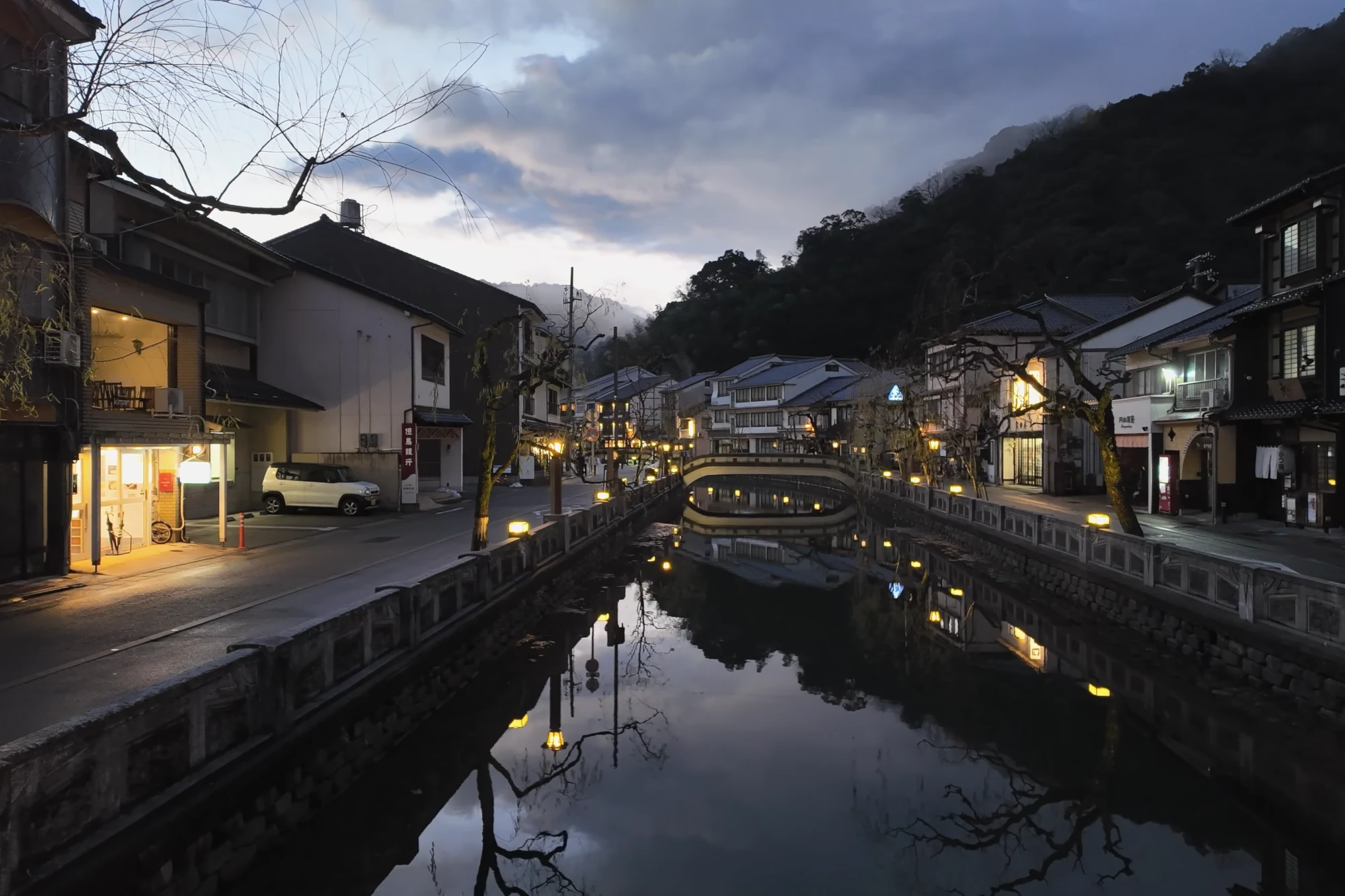
Overview
"How long do I need" usually means "what am I missing if I rush," and in Kinosaki the answer is unusually precise: you are missing the evening. The town's entire design, the free bath pass for guests, the yukata, the dinner hour, the lantern circuit, assumes you sleep here, and its daily tide runs accordingly: day visitors from late morning to late afternoon, then the town hands itself to the people staying. This guide does the scheduling math for each version of the trip, hour by hour, so you can choose with open eyes. Three clocks run this town, and every itinerary is just a way of standing between them. The train clock: a short daily menu of direct limited expresses that fixes when you can arrive and leave. The pass clock: bath access that starts at check-in and runs to 13:00 on checkout day, which quietly defines what a "night" here contains. And the bath clock: five houses on staggered hours and closing days, so the same evening offers a different circuit on a Tuesday than on a Friday. None of the three is complicated, but they interlock — and the difference between a good Kinosaki stay and a great one is usually nothing more than having glanced at all three before booking. Get them aligned once, at booking, and the trip itself requires no further planning at all — which is, not coincidentally, the state of mind the town is selling. The sections below set each clock in turn.
The anatomy of a Kinosaki day
The pieces you are scheduling around: trains from Osaka take about 2 hours 40 minutes direct (the Kounotori, about ¥6,140 (about US$41) with a reserved seat one way; unreserved is a little cheaper), from Kyoto about 2 hours 20 minutes on the Limited Express Kinosaki, both covered by the JR Pass. Ryokan check-in opens mid afternoon, dinner is served around 6:00 to 6:30 and deserves its full ninety minutes, and the bathhouses run roughly 7:00 to 23:00 with afternoon openers and one closing day each per week. A proper soak plus the walk between houses runs 40 to 60 minutes per bath. Stack those numbers and the shape of every itinerary below falls out on its own. A worked example, because the arithmetic is friendlier than it looks: arrive 14:30, check in and change by 15:15, first bath 15:30–16:30, rest at the inn, dinner 18:00–19:30, two houses between 20:00 and 22:30, sleep; next morning one 7:00 bath before breakfast and one more before the pass expires at 13:00 — five baths, no rushing, one night. Luggage never complicates it: inns hold bags before check-in and after checkout, and the station's delivery counter moves them for a few hundred yen, so the schedule above works even off a morning train. Two of those numbers deserve emphasis because visitors routinely disbelieve them. Dinner really does take ninety minutes — kaiseki is a procession, not a meal — and the 40-to-60-minute bath figure includes undressing, washing, soaking and the walk, so "just a quick bath" is not a thing this town offers. Plan around both honestly and the schedule breathes; fight either and every itinerary below runs late.
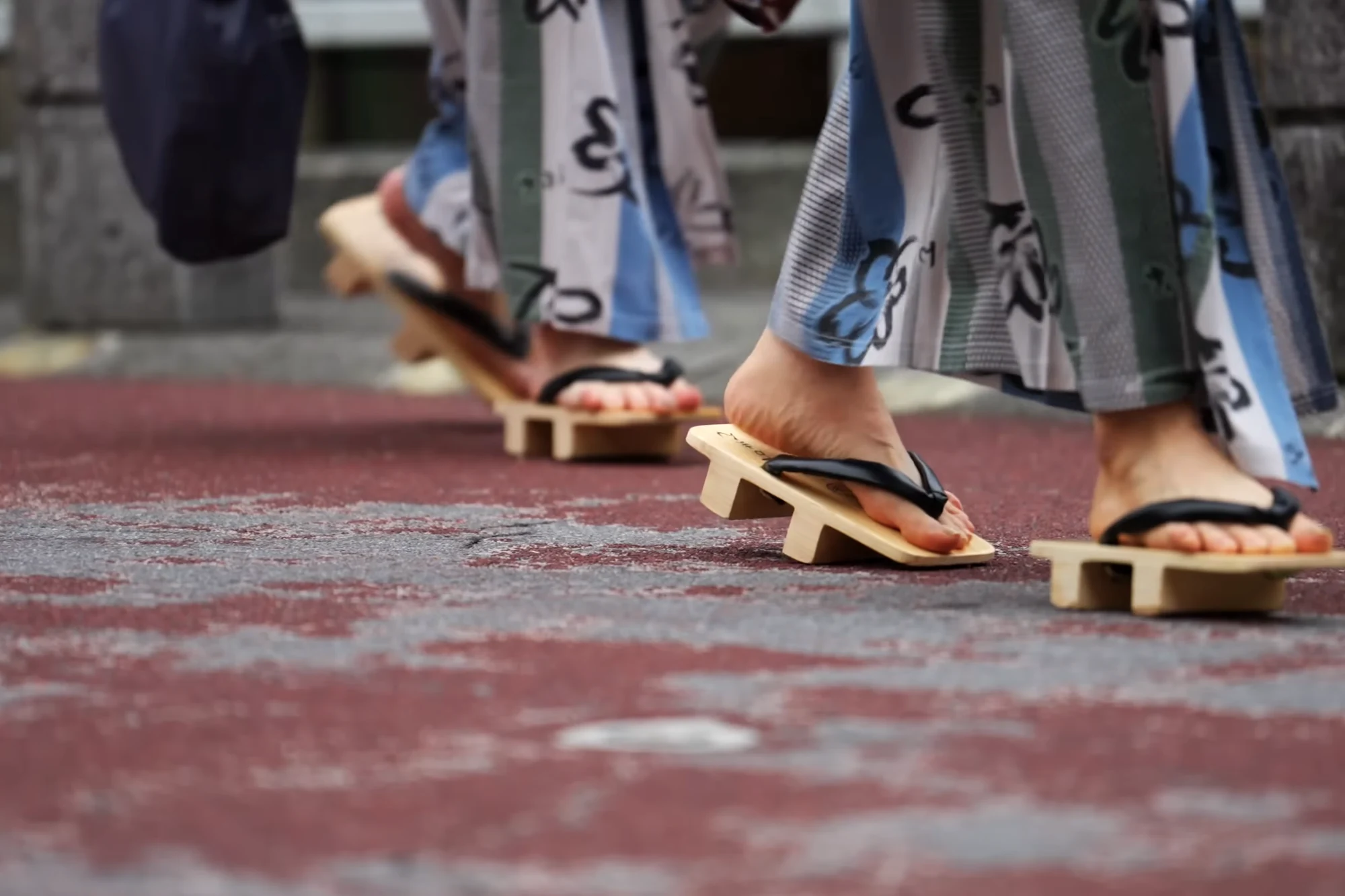
Three or four baths a day is comfortable. All seven in one evening is a stamp rally with consequences.
The trains set your bookends
The scheduling insight that saves the most regret: pick your trains before your baths. From Kyoto the direct Limited Express Kinosaki runs only around five times a day, so your departure time is effectively chosen from a short menu — and the difference between the early-afternoon and late-afternoon arrival is the difference between a first bath in daylight and arriving at dinner. From Osaka the Kounotori runs more frequently, which makes the Osaka approach the more forgiving one for a one-night stay. ⚠️ Verify the current timetable; the pattern, not the exact times, is the point. On the way out, resist the earliest train. The single most commonly surrendered hour in Kinosaki is the last morning: guests who book a 9:00 departure forfeit the 7:00 bath, which regulars will tell you is the finest of the stay. The pass covers you until 13:00 at most inns, checkout is typically mid-morning, and inns hold luggage — so a midday train costs nothing but buys the empty-streets version of the town, one last soak, and an unhurried coffee by the canal. Kinosaki rewards the traveller who leaves latest, which is not true of many places. Rail-pass holders have the extra freedom of treating the decision as free: both limited expresses are covered, so shifting a departure costs nothing but a seat reservation. If you are connecting onward — Amanohashidate (天橋立) eastward, Tottori's dunes (鳥取砂丘, Tottori Sakyū) westward — Kinosaki sits mid-line on the San'in coast, and the onward legs argue for the second night more persuasively than the town does: with two nights, the day between them can go to the coast with the baths waiting at both ends.
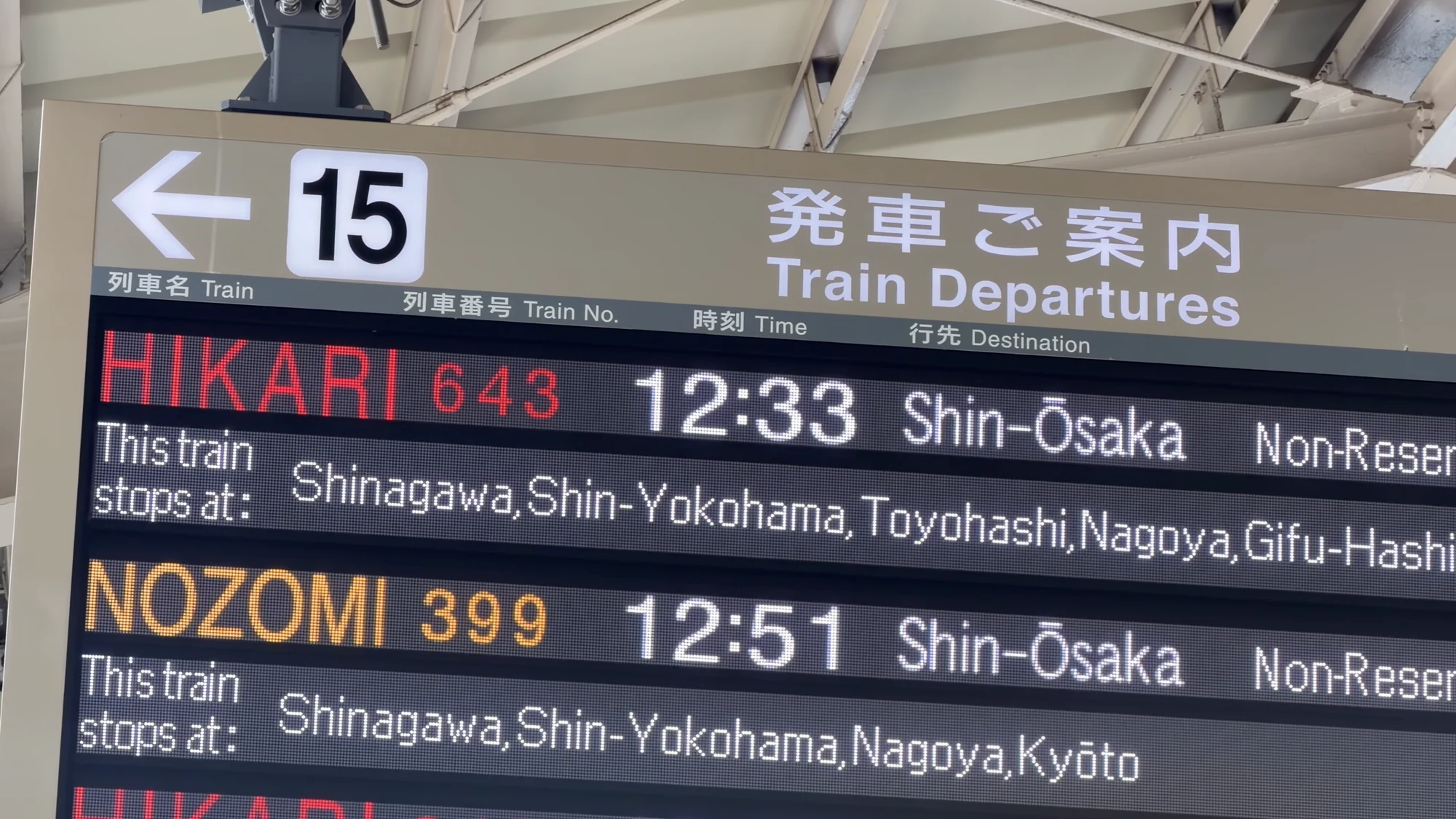
The bookends are set by the timetable, not by you — only about five direct services run from Kyoto each day.
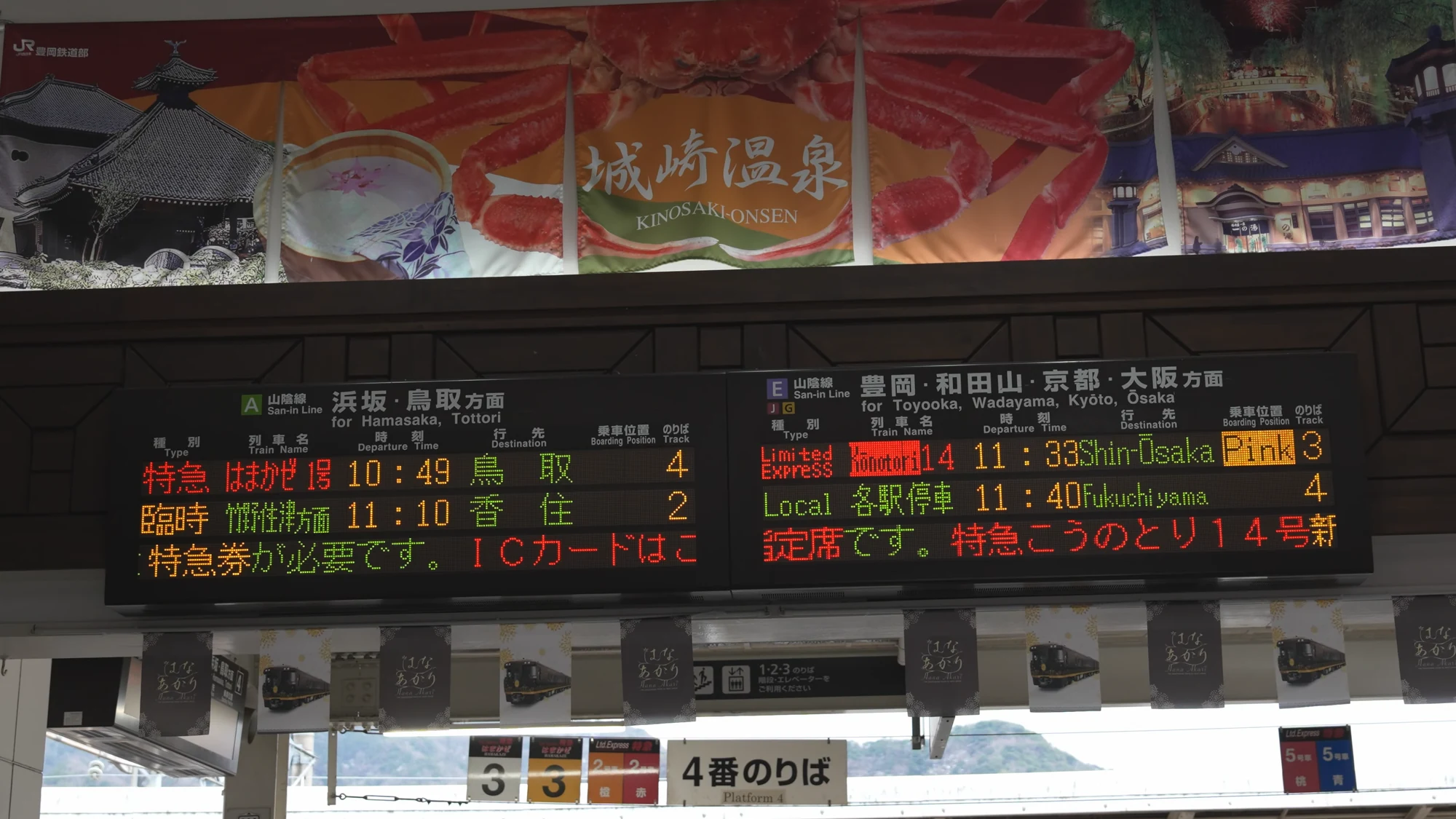
Kounotori 14 to Shin-Osaka, 11:33, platform 4. ⚠️ verify timetable
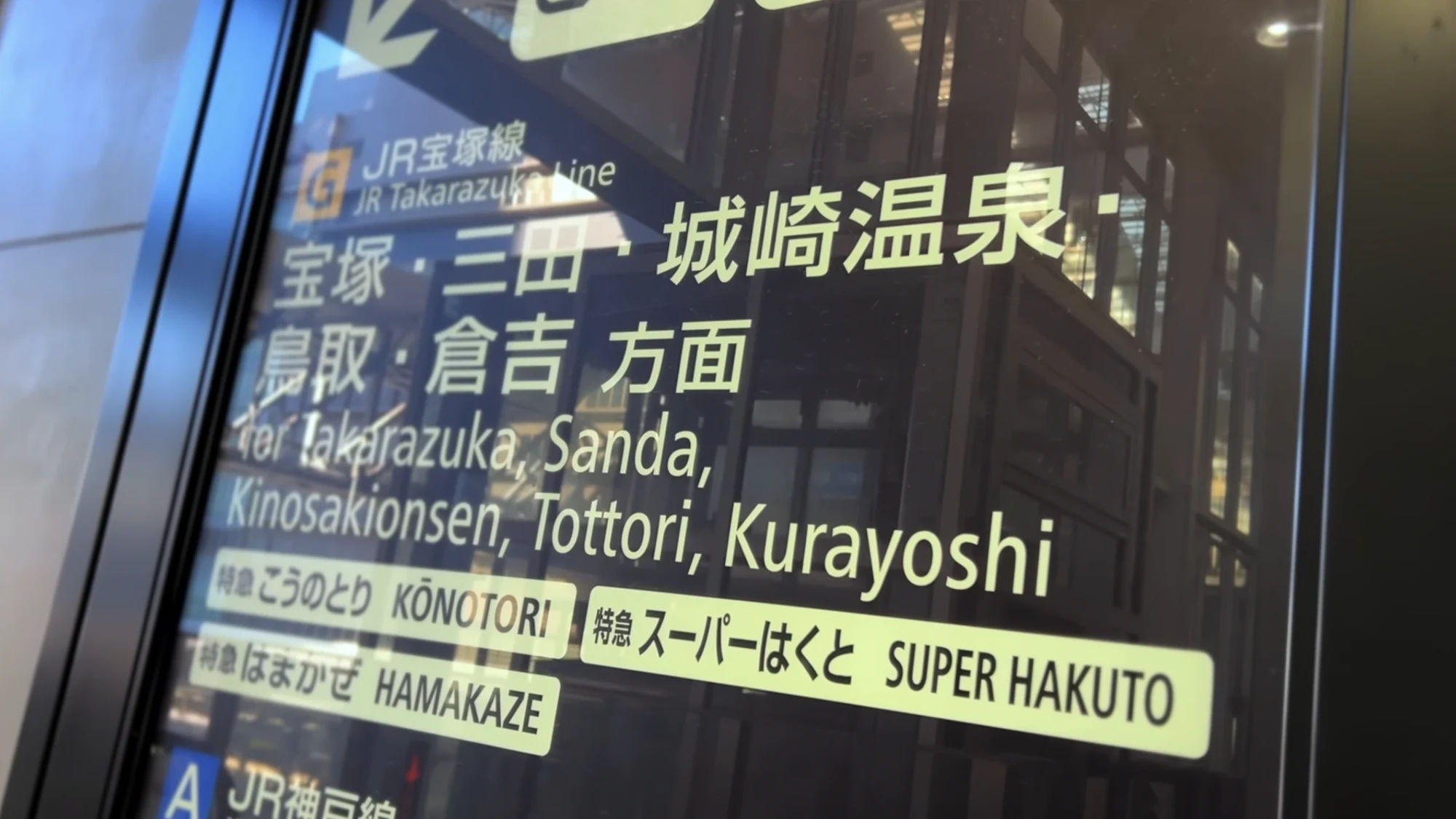
Three named expresses serve the line, which is what makes the bookend times predictable.
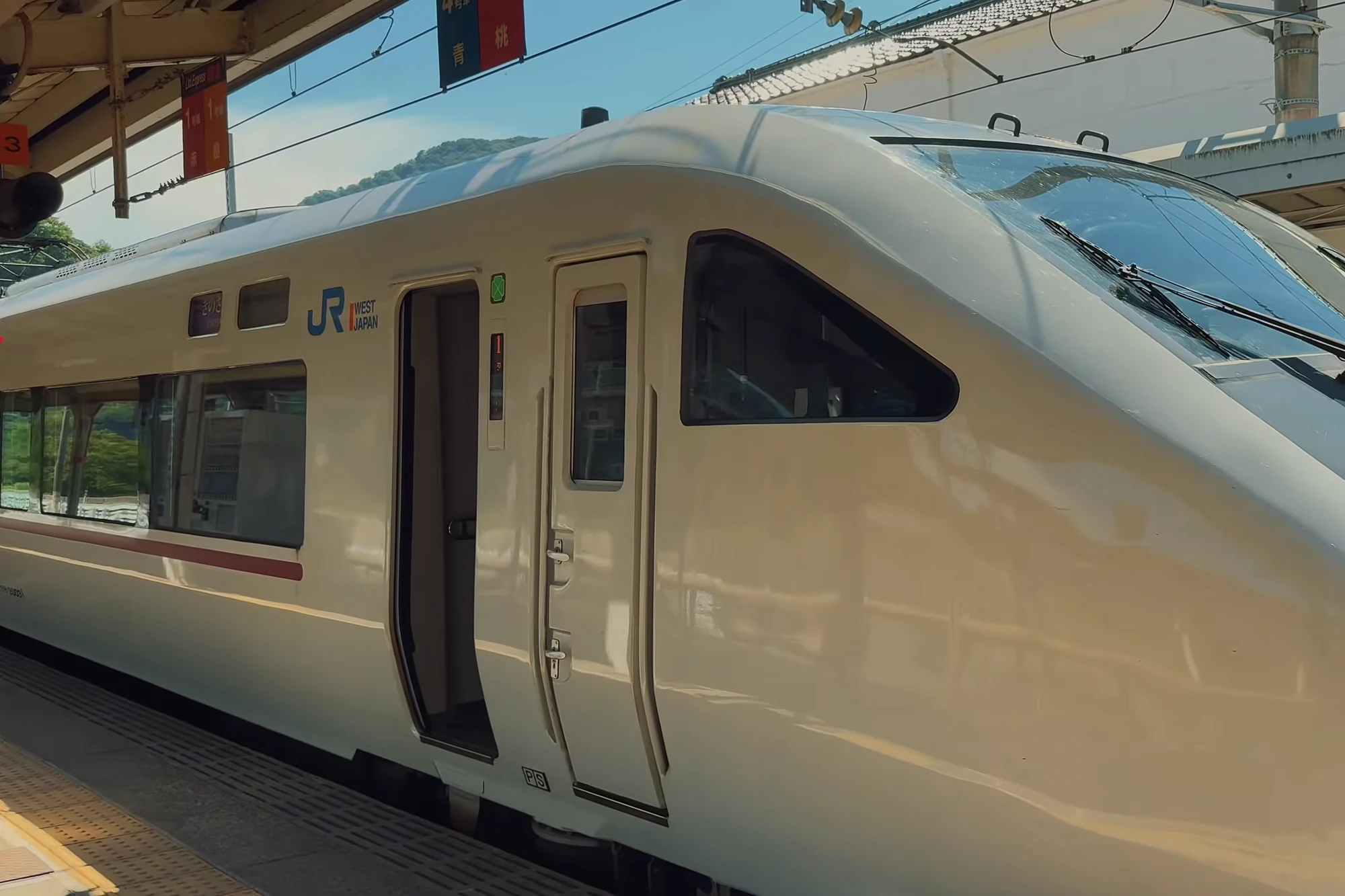
About 2 h 40 min from Osaka and 2 h 20 min from Kyoto — so a day trip spends five hours on trains.
The day trip: possible, and a half-truth
You can do Kinosaki in a day from Osaka or Kyoto: arrive late morning, buy the ¥1,500 (about US$10) day pass, bathe at two or three houses, lunch on the main street, walk the canal and catch a late afternoon train back. It works, the way a museum's gift shop works. What you forfeit is everything the town stages after your departure: the streets refilling with yukata as the inns release their guests, the kaiseki you cannot eat without a room, the lantern-lit circuit, the opening-hour morning bath with mist still on the hill (at the 7:00 houses — Ichi-no-yu, Goshono-yu or Jizō-yu; Kou-no-yu, the traditional dawn house, is closed for renovation, reopening ~November 2026). Day trips make sense for travelers already passing on the San'in line or testing the town for a future stay. If a day is genuinely all you have, take the latest train back you can; the hour after sunset is worth more than the two before it. One current logistical note for day visitors: with Satono-yu — the bathhouse beside the station — closed since April 2024, the first open house is now a few minutes further up the street, so build the day around the canal centre rather than the station end. ⚠️ Re-check its status before you plan. And if the forecast turns, reverse the standard order and bathe early: a rainy Kinosaki afternoon is genuinely pleasant from inside a tub and genuinely dreary from under an umbrella, and the day-trip schedule is flexible in exactly the way the overnight one is not.
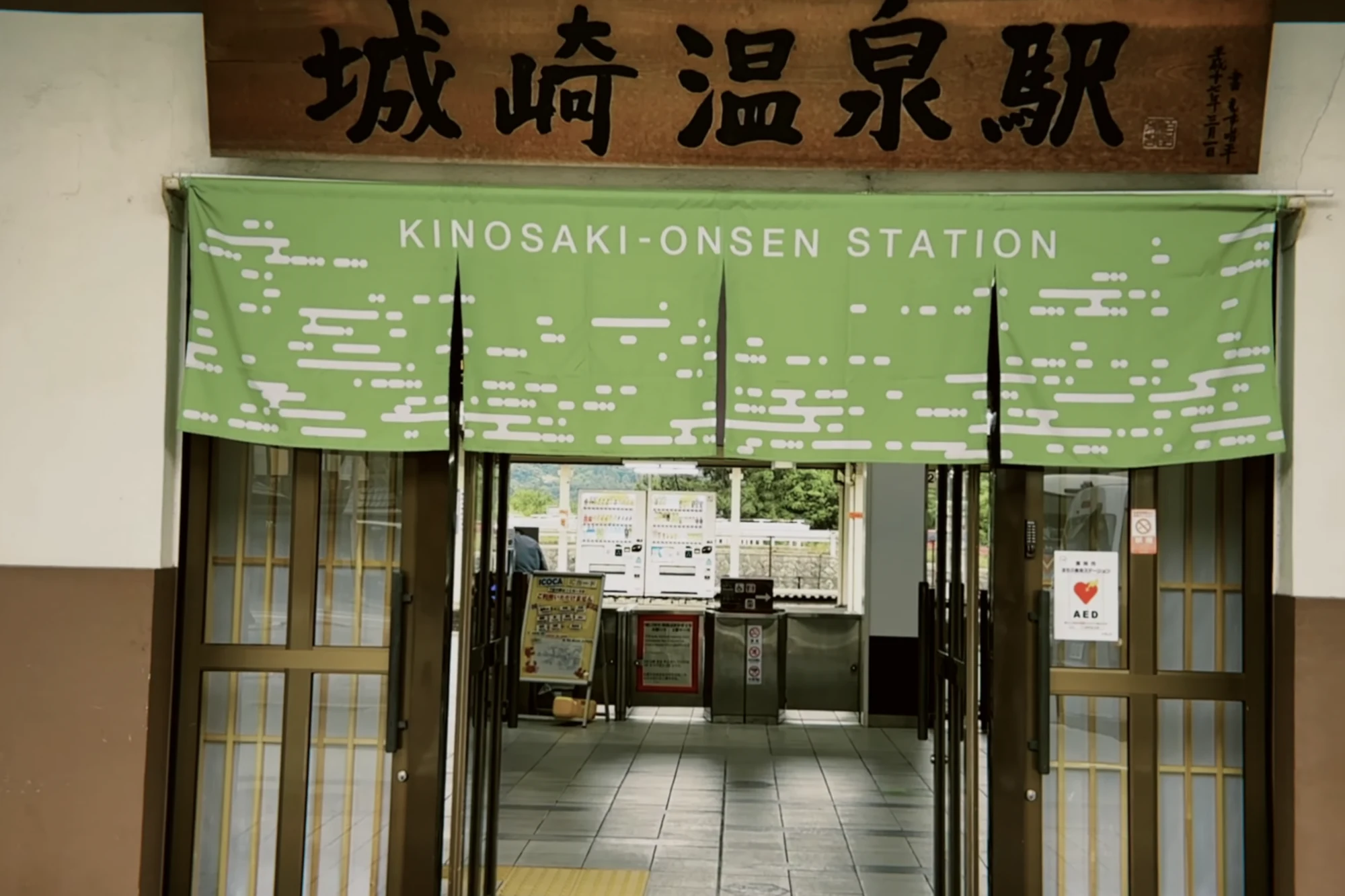
A day trip shows you the seven bathhouses. It does not show you the town, which happens after dark.
One night: the complete ritual
The canonical visit, and genuinely sufficient. The schedule writes itself: arrive 2:00 to 3:00, check in, yukata on, first bath before dinner (Goshono-yu or Ichino-yu while energy is high), kaiseki at 6:00, then the evening circuit, two or three smaller houses under the lanterns, Yanagi-yu's heat, Jizo-yu's calm, with the streets at their absolute best between 8:00 and 10:00. Sleep. Wake for the opening hour at Ichi-no-yu, Goshono-yu or Jizō-yu (Kou-no-yu when its renovation ends, expected November 2026), the single finest soak of the stay, breakfast at the inn, one last walk, and the late morning train. That covers five or six of the seven baths, the dinner, both versions of the town (lantern and morning), and every part of the experience the photographs promise. If your Japan itinerary is tight, take this and feel no regret. In crab season, shift everything half an hour earlier: the kaiseki runs longer and deserves it, and the houses fill fastest in the hour after dinner service ends town-wide. If something must be cut, cut a bath, never the walk — the circuit's pleasure lives as much between the houses as in them. The one real failure mode of the single night is arriving late: an 18:00 arrival compresses the ritual into a rushed dinner and one crowded bath, and the town's best hours slip past while you are still checking in. If your itinerary cannot deliver you by mid-afternoon, that is the strongest argument for either the second night or a different day. Guard the arrival time first; everything else is resilient.
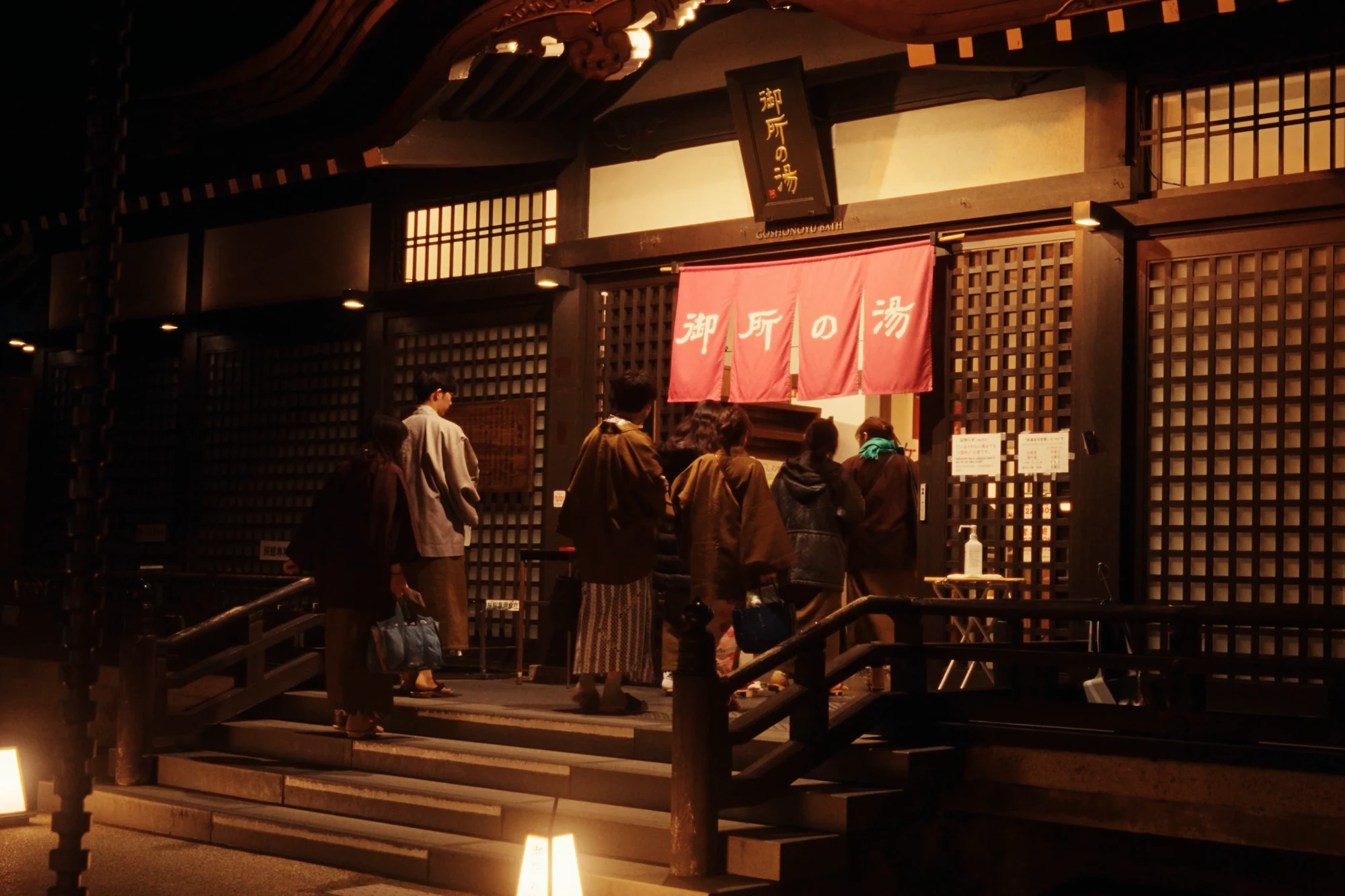
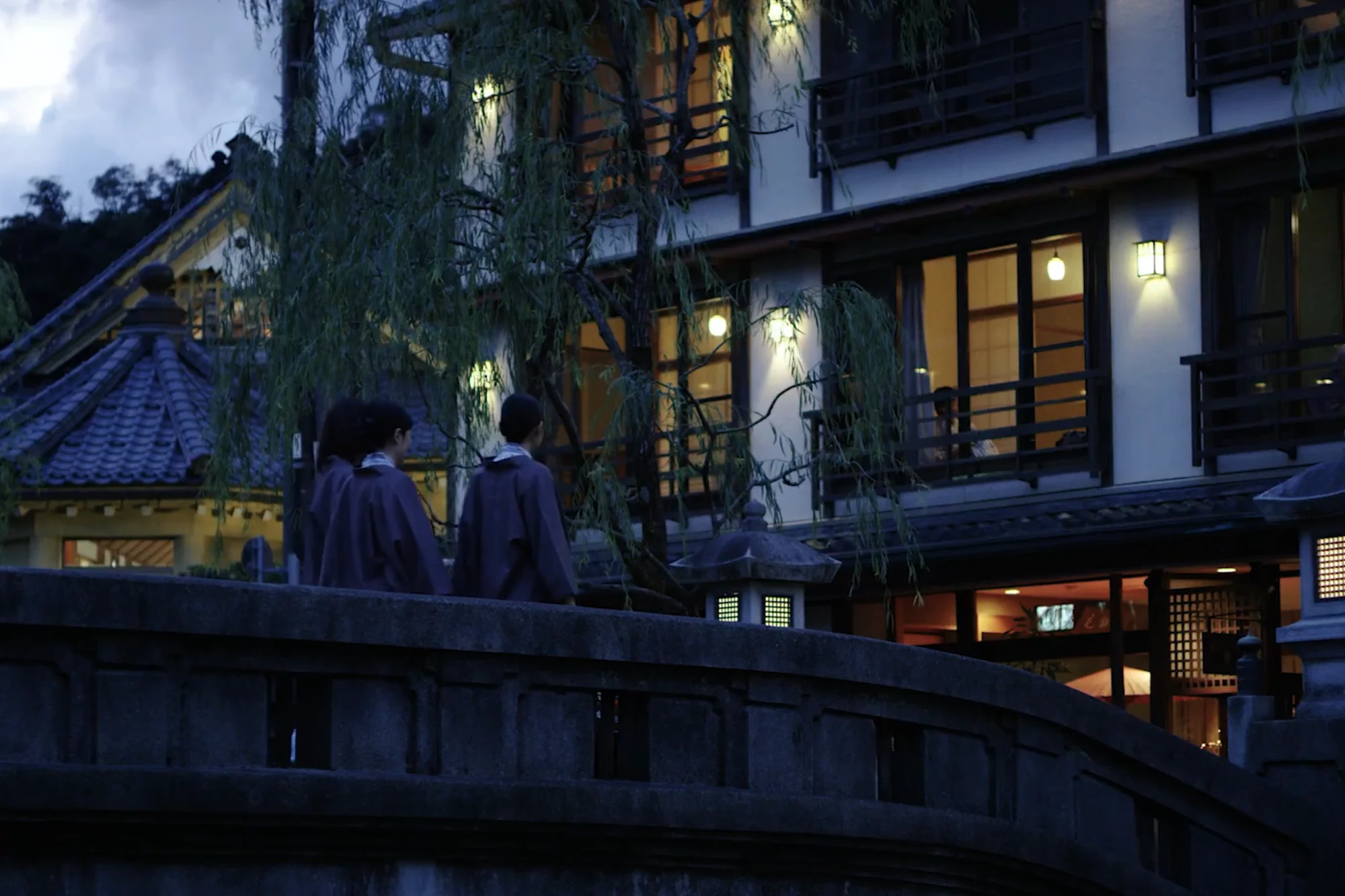
The complete ritual is arrive, bathe, eat, walk the lantern circuit, sleep, and bathe again before ten.
The pass clock: why 13:00 shapes your last morning
One mechanical detail quietly organises every Kinosaki itinerary, and most visitors learn it only at check-in: the guest bath pass runs from the moment you check in until 13:00 (1 pm) on checkout day at most inns, per the city's tourism office. Read that as the town telling you the shape of a proper stay. Your first bath is meant to happen on arrival afternoon, in daylight, before dinner — not saved politely for the evening. And your last is meant to happen after checkout, bags left at the inn, in the quiet late morning when the day visitors have not yet thickened and the overnight crowd has mostly gone. The 13:00 boundary is also the honest dividing line between staying and day-tripping. A day visitor pays ¥1,500 (about US$10) for the same access an overnight guest gets free across, effectively, a full 24-hour arc — arrival afternoon, evening, and the following morning. Count the bathing windows and the overnight wins three sessions to one. That is not an accident of pricing; it is the town's design showing through. Kinosaki's inns, held by the town's ordinance to modest in-house baths, compensate you with time in the shared ones — and the pass window is exactly the ritual, drawn as a clock. Practical notes: the pass is issued at check-in as a card or wristband and works immediately, so early arrivals can bathe before their room is even ready; every bathhouse lends or sells towels at the door, so the pre-checkout soak needs no planning; and if your inn's stated window differs from 13:00, believe the inn — the window is the norm, not a law. ⚠️ Confirm your own inn's cutoff at check-in.
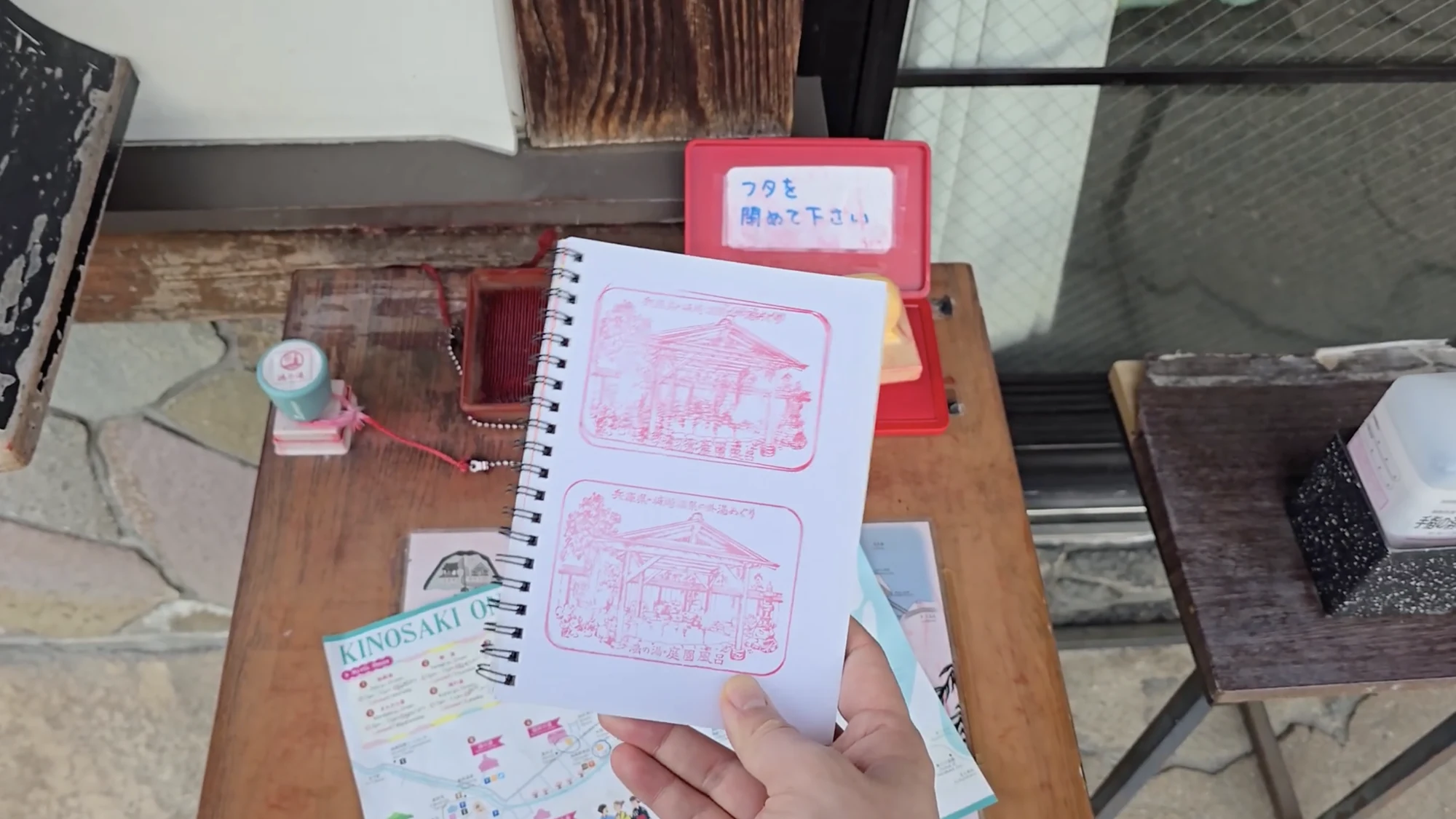
The guest pass runs from check-in to 1pm the next day, which is what shapes the final morning.
Two nights: the holiday version
The second night buys two things: pace and surroundings. Pace, because the seven-bath circuit spreads across three relaxed sessions instead of two athletic ones, with an afternoon nap where it belongs. Surroundings, because Kinosaki's hinterland rewards a free day: the ropeway up Mt. Daishi to Onsenji (温泉寺), the temple that has overseen the springs for thirteen centuries; Genbudo's (玄武洞, Genbudō) basalt caves one stop down the line; Takeno Beach in summer; the Toyooka stork sanctuary for the bird on all the manhole covers. Two-night guests also dodge the one structural annoyance of short stays, the bathhouse closing rota, since whatever is shut on day one opens on day two. In crab season, two dinners means the kitchen can show range. This is the version for travelers who chose Kinosaki as a destination rather than a stop. The free day has a quieter literary option too: the 23 monuments of the town's writers' walk, and the 城崎文芸館 (Kinosaki Bungeikan) literary museum by the Shiga monument — an easy half-day pairing with the ropeway. (⚠️ The museum posted a temporary-closure notice in September 2026; check current status.) Structure the two nights asymmetrically: make the first evening the athletic one — three houses, the full lantern circuit — and keep the second deliberately idle, one bath and a long dinner. Two identical evenings is the common mistake; the town reads differently at half speed, and the second night exists to prove it. In crab season, put the famous-house dinner on night two, when you can give it the whole evening.
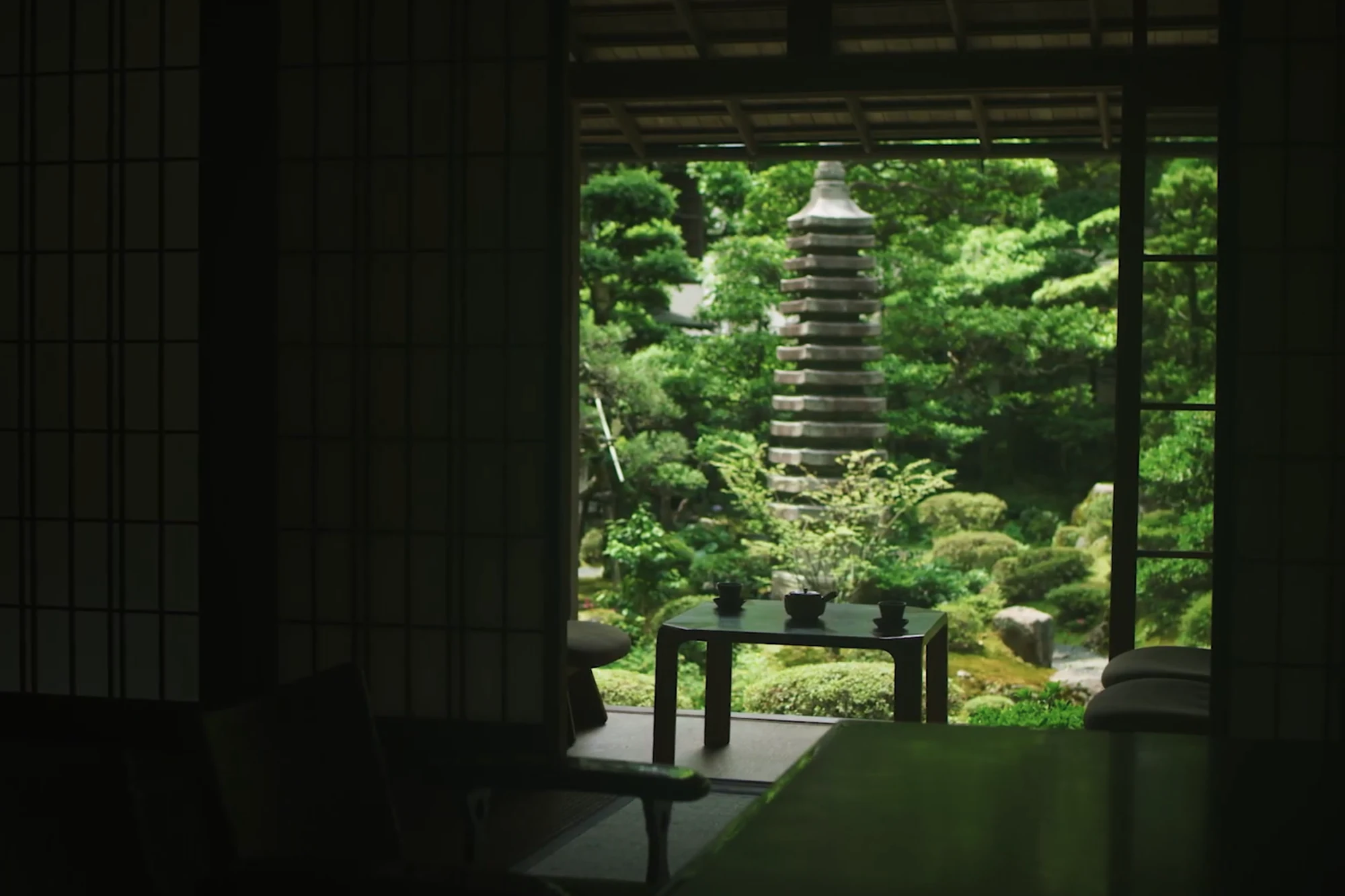
The second night is the one that stops the trip feeling like a transaction.
More than two?
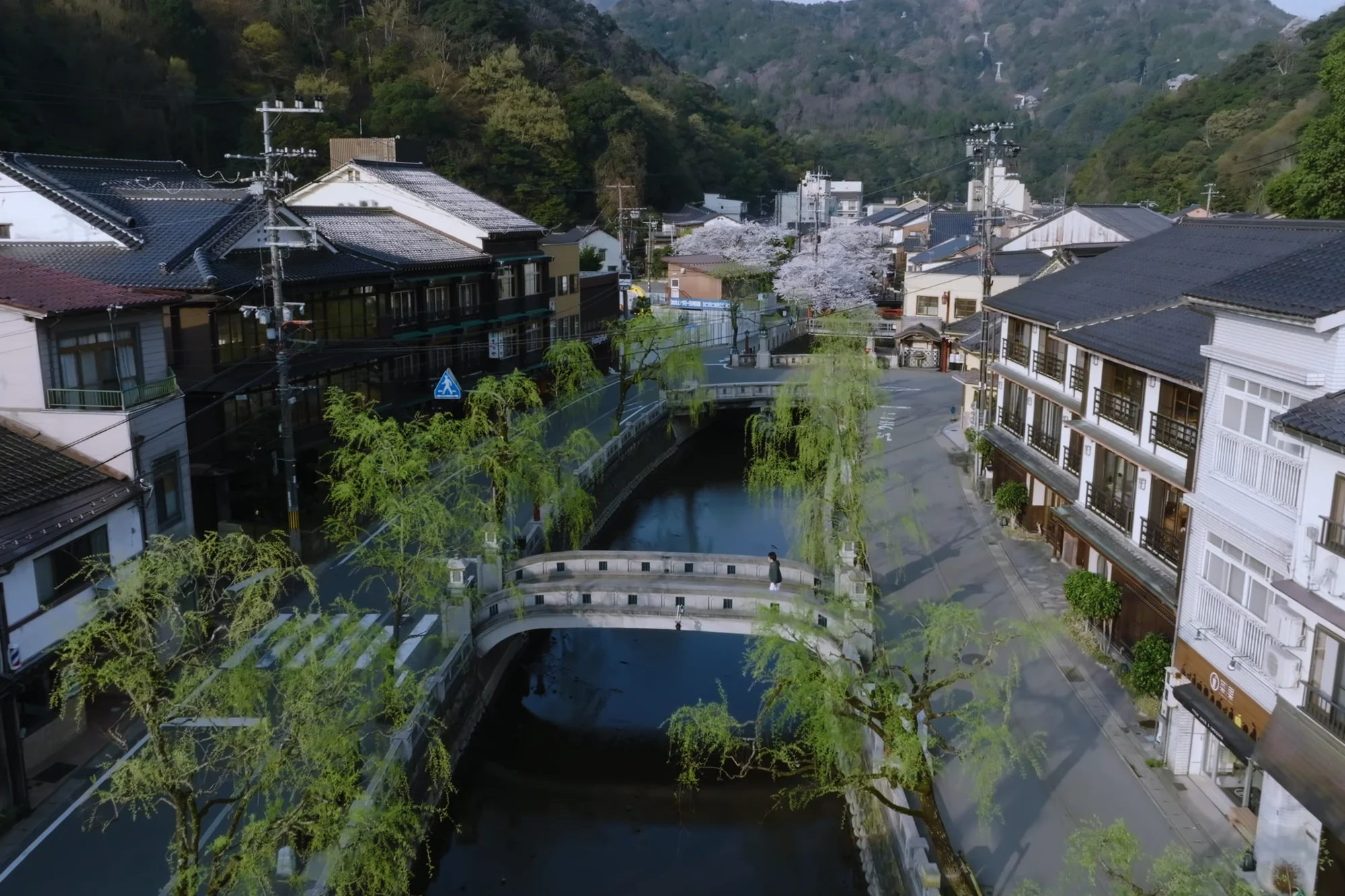
Three-plus nights is rare and pleasant: Kinosaki becomes a base for the wider San'in coast, Amanohashidate eastward, Tottori's dunes westward, with the baths as your evening constant. The town itself does not demand it; choose it for the region, or for the specific luxury of having nothing left to schedule. The base-camp logic is stronger than it first looks. Amanohashidate (天橋立), one of Japan's classical Three Views, is a realistic day out to the east; Izushi, the small castle town inland famous for its sara-soba plates, fills a half day; Genbudo and the stork sanctuary stack into another. Each returns you to a hot bath, a kaiseki and a lantern-lit street, which is a better evening than any of those places can offer on its own — the rare case where the base outclasses the excursions. The practical ceiling is dinner fatigue: after three kaiseki nights even devotees start eyeing the town's casual counters, which is precisely when a room-only night at a budget house makes sense. Rail-pass holders should note Kinosaki sits mid-line on the San'in coast, so the excursions ride the pass too — the long stay is the cheapest version of the town per day, not the dearest. One caution for long-stayers: the bath rota a two-night guest dodges returns at scale — across four days every house will close on you once — so map the week's closures on arrival rather than discovering them nightly. It is a good problem. Past four nights you are not visiting Kinosaki so much as briefly living there — which is its own recommendation.
What the current closures do to the math
An honest 2026 recalibration: with Kou-no-yu closed for renovation works, reopening expected November 2026, and Satono-yu closed since April 2024, the working circuit is five houses, not seven — and that actually strengthens the one-night case. Five houses at the intended pace of three or four baths a day means a single overnight now covers essentially the whole open circuit without rushing: two before and after dinner, two or three the next morning and you have bathed everything currently bathable. The "stamp rally" temptation has been retired by circumstance. What the closures cost is specific rather than general. Kou-no-yu was the traditional first-light house at the quiet western end, with the garden rotenburo and the stork legend to its name — the connoisseur's dawn bath. Until it returns, the morning belongs to the three 7:00 (7 am) openers: Ichi-no-yu, Goshono-yu and Jizō-yu, with Goshono-yu's waterfall bath the best consolation prize a closure ever offered. Mandara-yu and Yanagi-yu open at 15:00 (3 pm), which slots them naturally into the arrival-afternoon and evening rounds. ⚠️ Hours and the closure list shift — check the association's live bath-status page for your dates. For trip-length purposes: completists who want the true seven-for-seven should watch for Kou-no-yu's reopening before booking, and treat a two-night stay then as the celebration lap. Everyone else should book without hesitation — the circuit was never a checklist, and five distinct houses walked between in yukata is the full experience by any honest measure. When the reopenings come, this section will be the happiest deletion on the site.
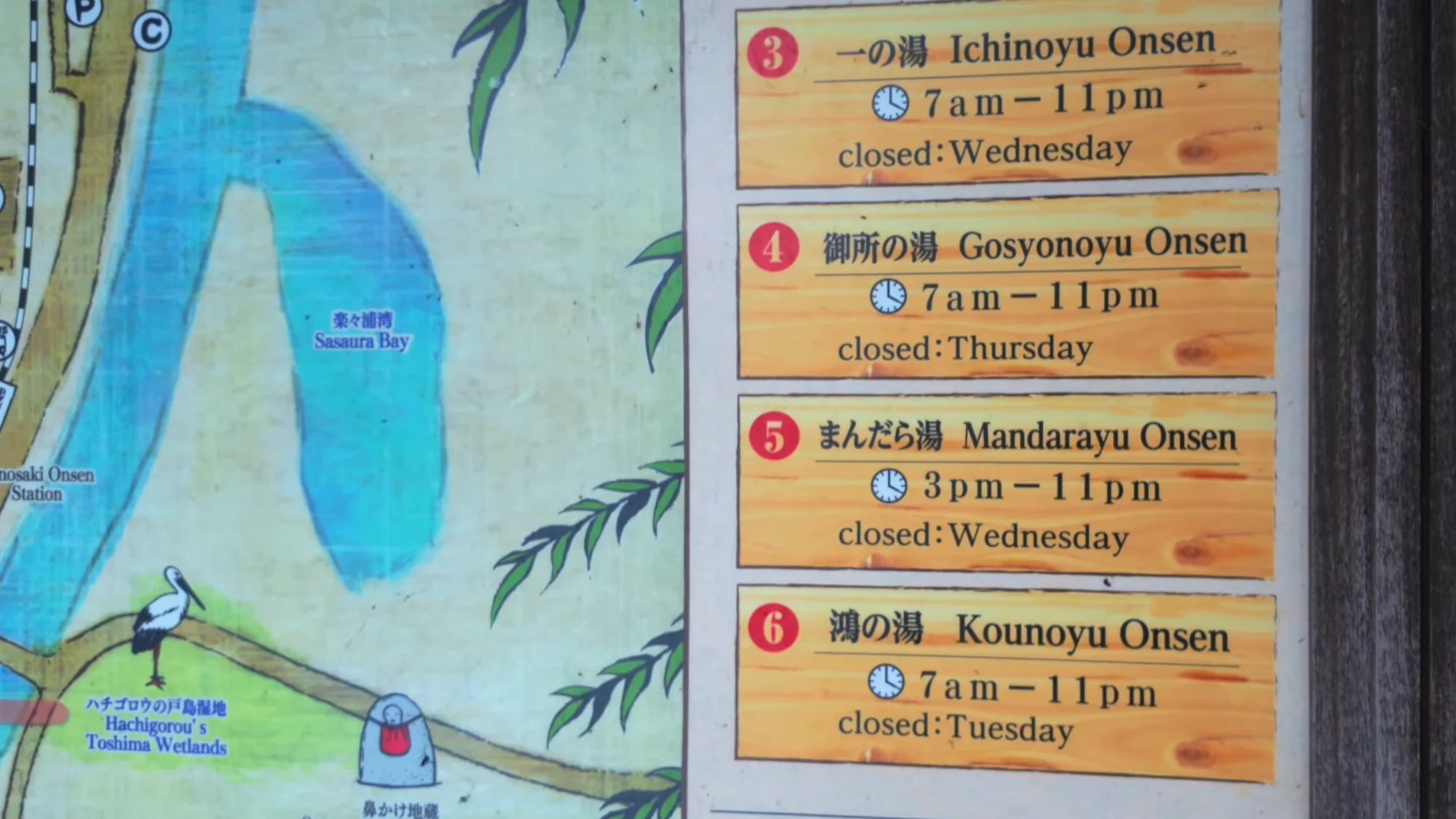
With two houses currently closed and five on a staggered rota, the circuit maths has changed. ⚠️
Who should adjust the math
Photographers: add the second night without debate; the lantern hour and the morning mist are different shoots, and weather halves your chances on a single evening. Families: one night works from age five or so (the baths welcome children), two nights adds the beach or the storks and saves the trip from feeling like a drill. Crab pilgrims: the dinner is the same length either way, but two nights lets you book one famous-house dinner and one budget night, the connoisseur's hedge. Travelers with tattoos: no adjustment at all, every bath admits you; allocate time like anyone else. Two more profiles worth naming. First-time onsen bathers: Kinosaki is the gentlest possible introduction — gender-separated houses, clear routines, towels at every door — but take the two-night version so the learning curve happens without a schedule breathing on it. Less-mobile travellers: this is among the flattest, most compact famous onsen towns in Japan, one level kilometre end to end, which makes it one of the few where the full ritual is genuinely accessible — pace the circuit at two houses a day and let the short distances do the rest. Business travellers tacking Kinosaki onto Kansai meetings: the Friday-night arrival works better than the Saturday, for both rates and crowds, and you will have the 7:00 baths almost alone. And couples split on enthusiasm should note the town solves the negotiation: the reluctant partner gets the inn, the dinner and the streets, and owes the water no more than one bath.
How the season changes the schedule
The one-night template above holds all year; the hours inside it shift with the calendar. In winter, dark falls before 17:00 and the lanterns come on with it, so the "evening" circuit effectively starts an hour after check-in — take the first bath early, because the crab kaiseki runs longer than a standard dinner and will eat your prime bathing window if you let it. The morning soak is winter's crown: steam so thick over the water you bathe half-blind, and the payoff for booking the later train home. In summer, invert the day. The baths are at their best early and late, the midday heat argues for the beach at Takeno or an air-conditioned nap, and on 夢花火 (Yume-Hanabi) fireworks evenings — scheduled nights from late July to late August, five minutes at 21:00 over the canal — the smart move is to be between baths on a bridge when the sky opens, then finish the circuit in the emptier half-hour after. Festival dates bend a day the same way: the Onsen Matsuri (April 23–24 yearly) fills the lanes with processions and stalls, and the mid-October autumn festival closes streets for the float clash at sunset — on those days you are scheduling around the town's calendar, not your own, and that is the good version of the problem. ⚠️ Event dates re-set yearly; verify before building a day around one. Autumn and spring need no adjustment at all, which is their quiet argument: the template runs as written, the weather cooperates at both ends of the day, and the only seasonal decision is whether the second night goes to the ropeway gorge in colour or the blossom canal.
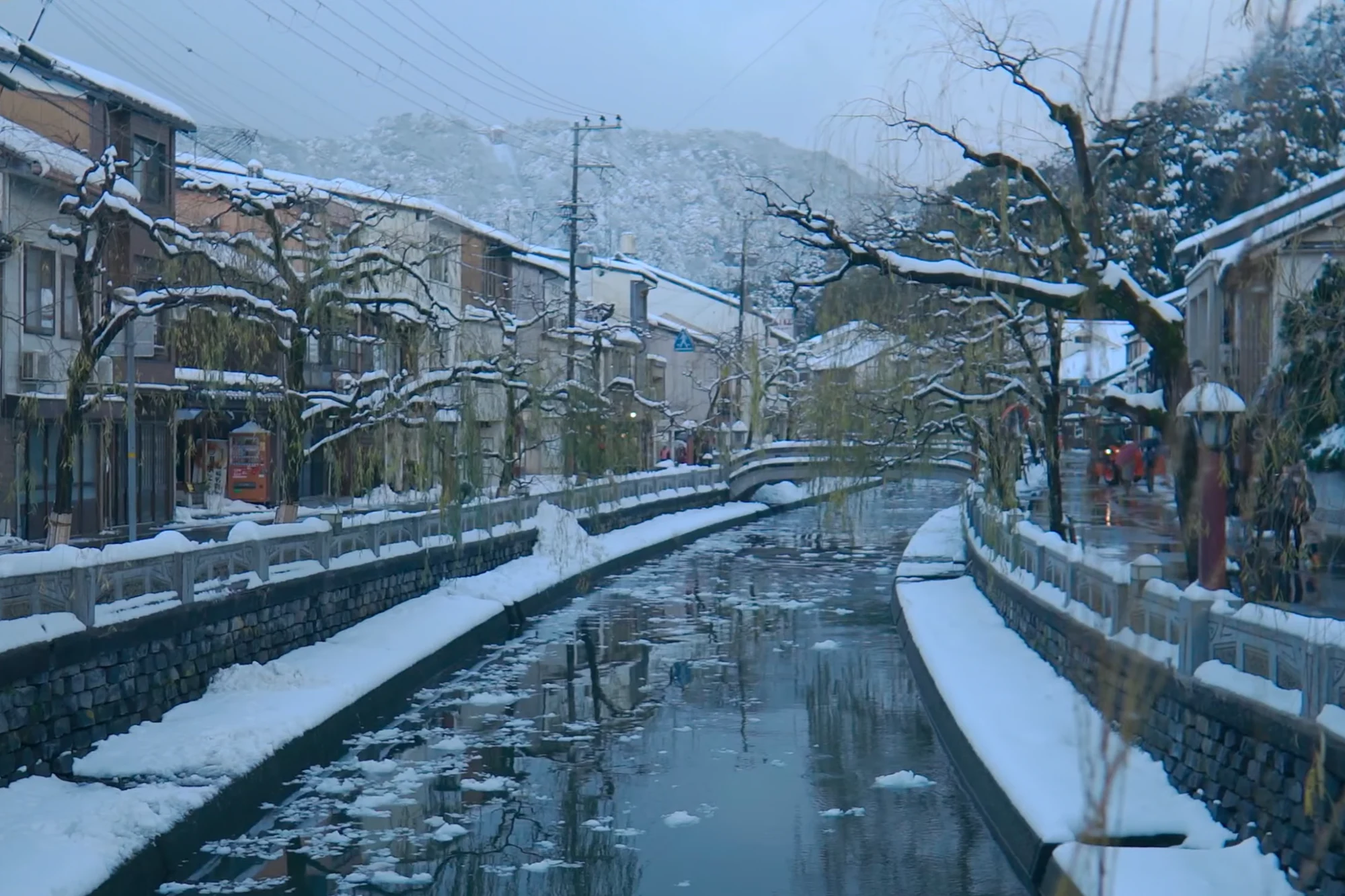
Winter shortens the daylight but lengthens the evening — the baths run to 11pm regardless of season.
The verdict
One night is the experience; two nights is the experience plus the region; a day trip is a preview screened without the third act. Whatever you choose, anchor the plan to the town's tide rather than your train app: be in the streets at dusk and in a bath at opening, and Kinosaki will have given you everything it has, on any schedule. Or, said through the three clocks: let the train clock choose your arrival, spend the evening ignoring every clock the town owns, and let the pass clock — not the departure board — choose your last bath. Travellers who plan Kinosaki as transport plus a checklist find a pretty town; travellers who plan it as one unhurried tide, dusk to checkout, find the thing the posters promised. The difference costs nothing; it is entirely a matter of which clock you obey last. If the choice between one night and two is still open when you book, take the second night in crab season and the single night otherwise — that rule resolves the question for nine trips in ten, and the tenth already knows the answer is two. The last word belongs to the pass window, because it is the town's own answer to this page's question: access that runs from check-in to 13:00 the next day is an institution telling you, in writing, that a stay here is meant to fill twenty-four hours — not an evening, and not a lunch break. Take the town at its word, and sleep here.
Tips
Arrive between 2:00 and 3:00 pm — that clears check-in and a first bath before the 6:00–6:30 dinner hour.
Day-tripping anyway? Take the latest train back you can; the hour after sunset outvalues the two before it.
Photographers: add the second night without debate — lantern hour and morning mist are different shoots.
Crab pilgrims: two nights lets you book one famous-house dinner and one budget night, the connoisseur's hedge.
Two-night stays dodge the closing-day rota entirely — whatever is shut on day one opens on day two.
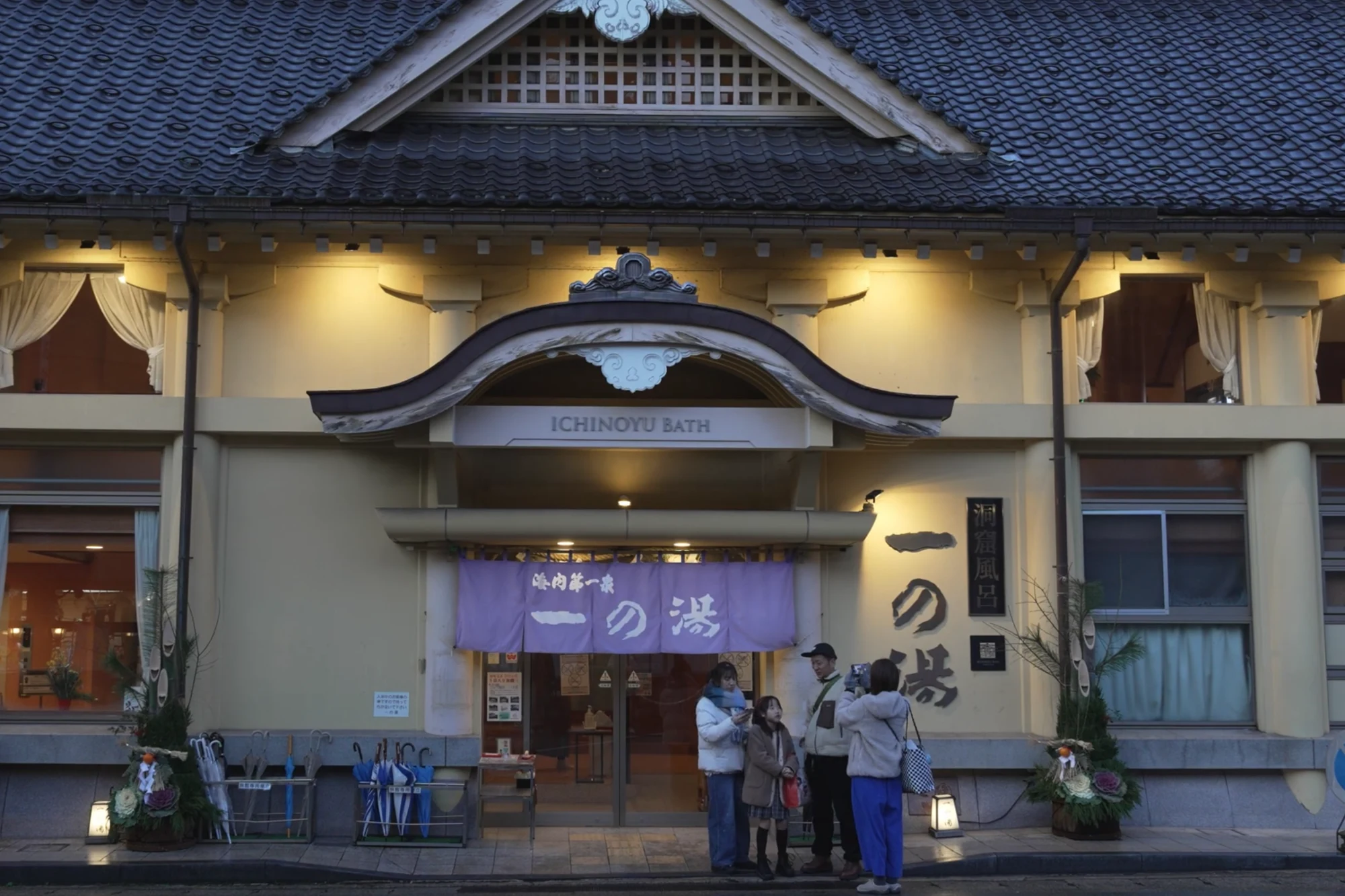
Aim the morning soak at Ichi-no-yu, Goshono-yu or Jizō-yu — the 7:00 houses; Mandara-yu and Yanagi-yu open at 15:00.
Book the midday train out, not the morning one: checkout, bags at the inn, one last bath on the pass before 13:00.

Verified by The Japan Onsen Society
Show all sources
Verified July 7–16, 2026; bathhouse hours, closures and the guest-pass window verified September 22, 2026. Primary Japanese sources:
外湯 — 城崎温泉観光協会 (Kinosaki Onsen Tourism Association — hours, closing days, current closures): [https://kinosaki-spa.gr.jp/about/spa/](https://kinosaki-spa.gr.jp/about/spa/)
外湯めぐり発祥の地!温泉天国★城崎温泉 — 豊岡市観光公式サイト (Toyooka City Official Tourism Site — guest-pass window, sotoyu system): [https://toyooka-tourism.com/recommend/onsen/kinosaki_sotoyu/](https://toyooka-tourism.com/recommend/onsen/kinosaki_sotoyu/)
イベント情報 — 城崎温泉観光協会 (Kinosaki Onsen Tourism Association — festival and fireworks dates): [https://kinosaki-spa.gr.jp/event/](https://kinosaki-spa.gr.jp/event/)
Related guides
Plan Your Visit
Kinosaki complete guide
Seven public bathhouses, one shared spring, and a law that keeps them the centre of town. Start here.
Plan Your Visit
The 7 bathhouses
Same water in all seven houses. What changes is the room, the story, and the blessing on the door.
Plan Your Visit
2-day itinerary
Two days and one night, hour by hour, built around the hours the seven bathhouses actually keep open.
Plan Your Visit
Best time to visit
Crab from November, snow in January, willows in April. There is no wrong month, only different ones.